Christopher Dresser
Christopher Dresser (1834-1904) holds a unique and pivotal place in the history of applied arts, widely regarded today as one of the first and most consequential independent professional designers. Operating most actively during the decade between 1868 and 1878, Dresser was not merely an executor of designs but a rigorous design theorist, adept at translating complex intellectual principles into commercially viable, high-quality objects.
His theoretical approach fostered a radical shift in visual culture, positioning him as a defining figure within Britain’s Aesthetic Movement. Crucially, he was a primary contributor to the parallel development of the Anglo-Japanese or Modern Style. This innovative style, which originated in England, exerted a long-lasting international influence by incorporating the asymmetrical balance and linear precision of Japanese aesthetic principles.
Dresser’s genius lay in his rejection of the prevailing Victorian penchant for excess and historical imitation. He advocated for a radical functionalism, insisting that form must follow utility and material constraints above all else. This rigorous commitment to simplification resulted in objects that appear strikingly contemporary, anticipating core tenets of twentieth-century modernism by several decades. For a man designing during the height of the ornate Victorian age, it is curious to observe that his works display an almost ascetic refusal of unnecessary flourish, preferring pure, rational geometry.
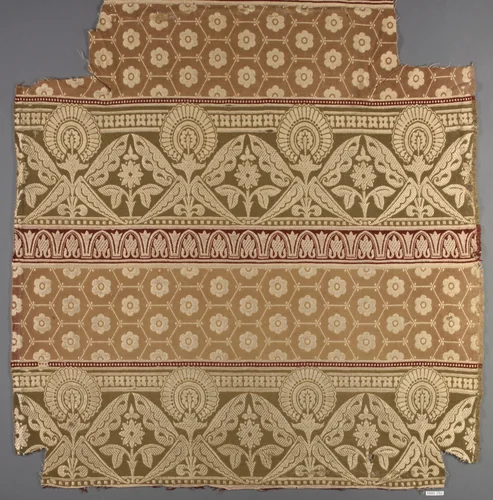
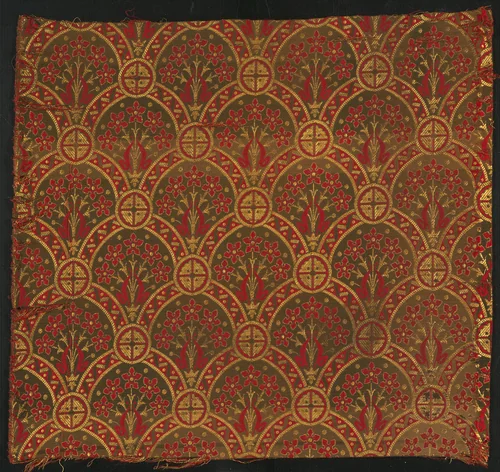
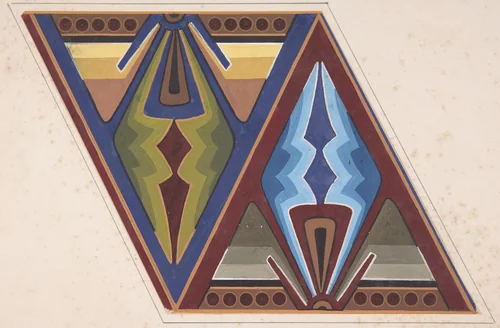
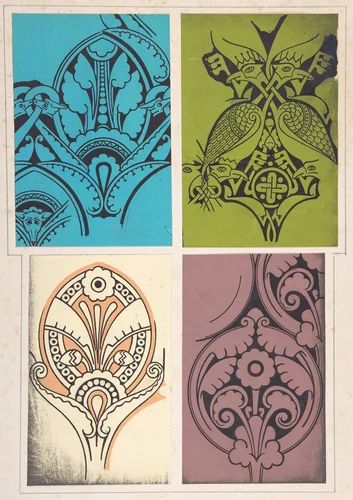
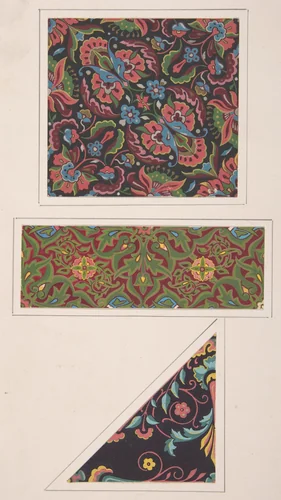
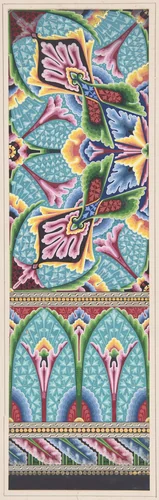
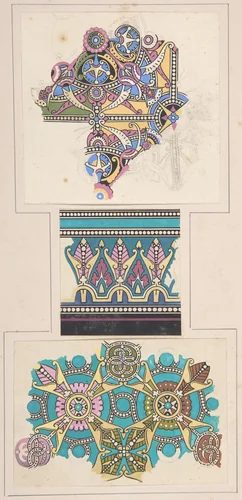
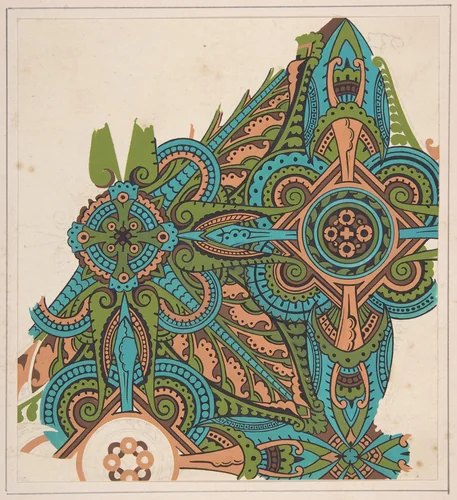
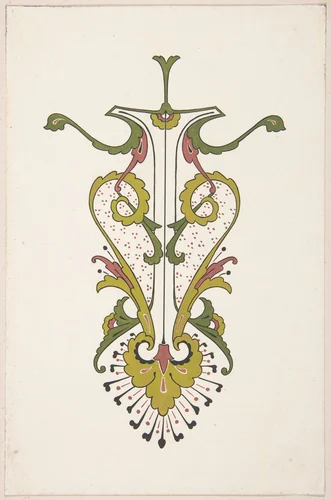
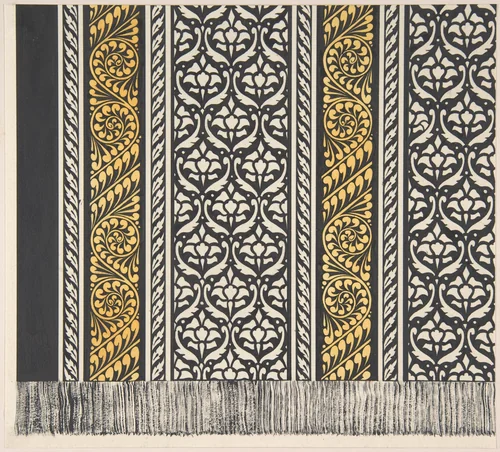
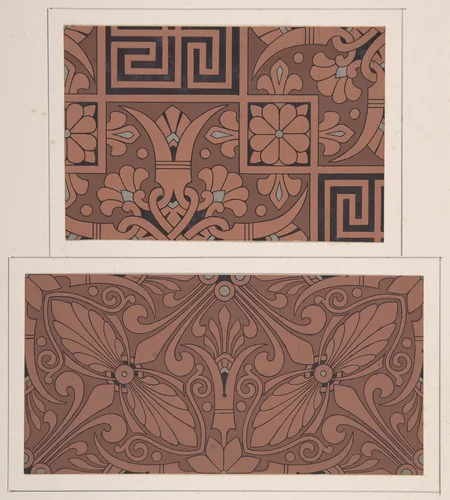
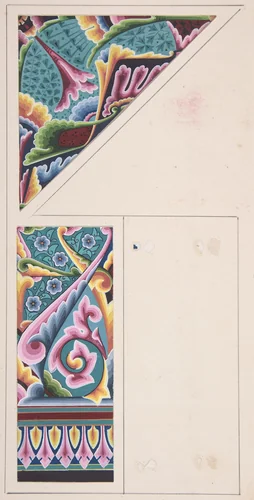
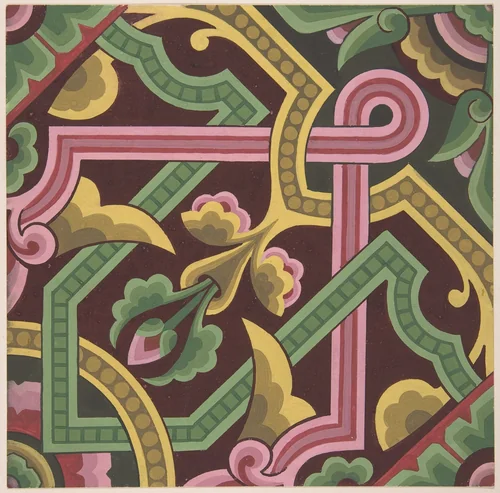
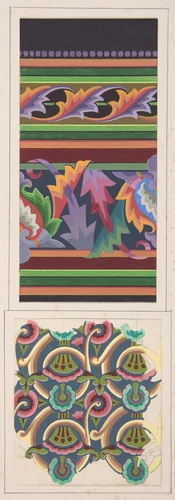
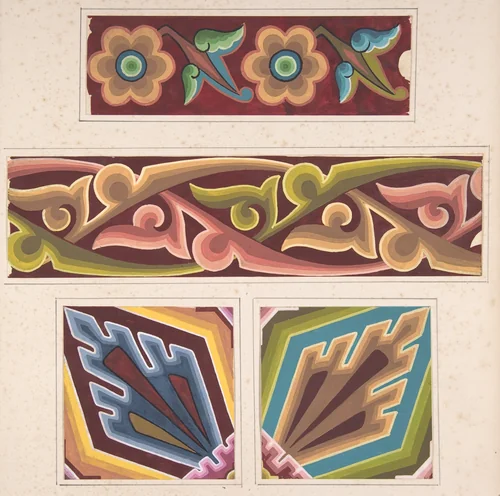
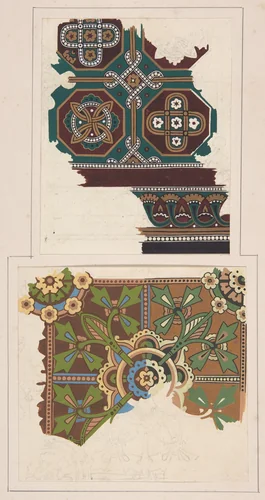
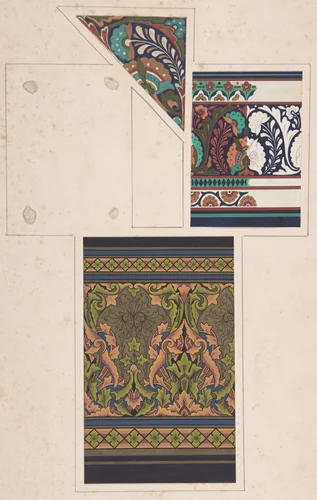
Dresser’s prolific output spanned a wide range of materials and functions. He executed designs for silver, textiles, ceramics, glass, and ironwork, demonstrating a versatility essential for the modern industrial designer. His recorded works include precise technical drawings, significant textile panels, and celebrated industrial pieces such as the simplified geometric form of his Watering Can.
The historical importance of his work is confirmed by its inclusion in major international collections, including the Metropolitan Museum of Art, the Museum of Modern Art, and the Art Institute of Chicago. As the legacy of British high design moved into the public domain, numerous Christopher Dresser prints and design sketches are now available, ensuring that future generations can study his intellectual rigor through high-quality prints and downloadable artwork.
Source: Wikipedia · CC BY-SA 4.0