Christoffel Jegher
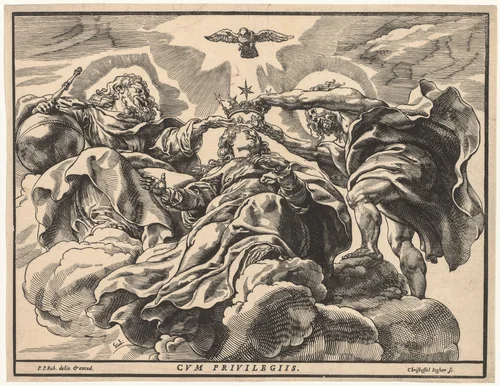
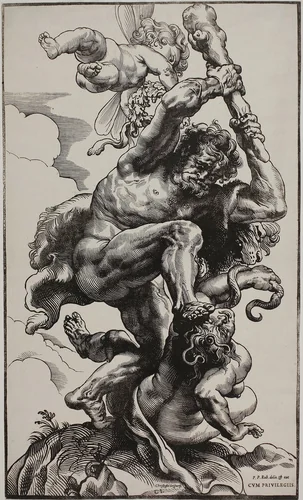
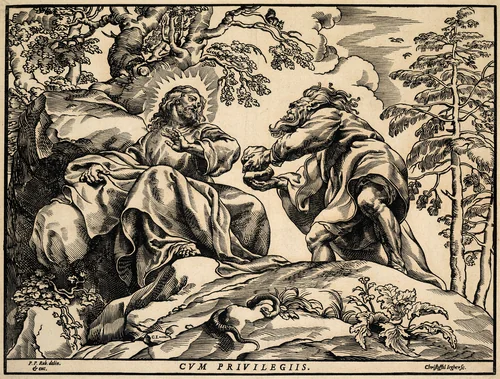
Christoffel Jegher (active 1587-1647) was a distinguished Flemish Baroque engraver who secured his place in art history through his technical mastery of the woodcut. Operating during a period defined by dramatic scale and visual intensity, Jegher’s practice bridged the gap between highly technical reproductive craft and original artistic expression. His works remain key examples of how printmakers translated the monumental ambitions of the Baroque style into media suitable for wide circulation.
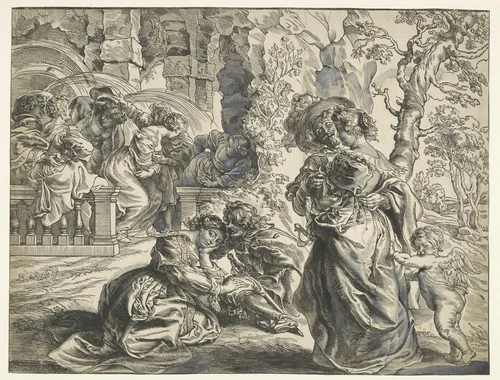
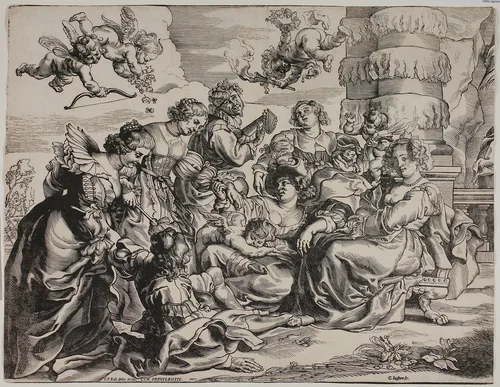
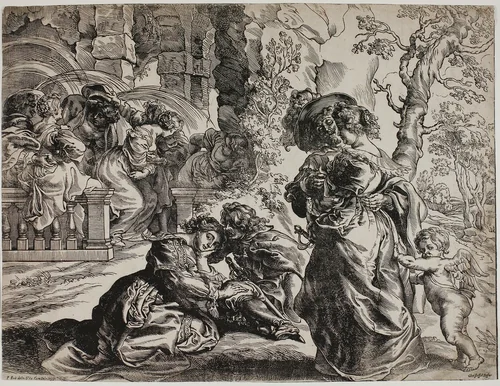
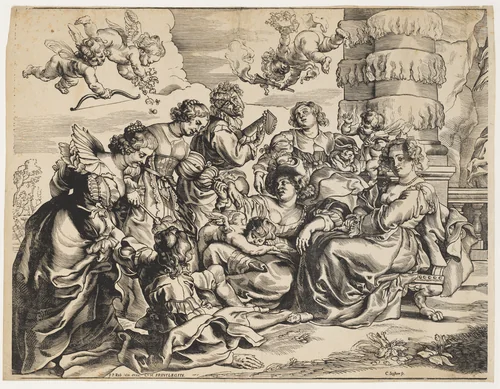
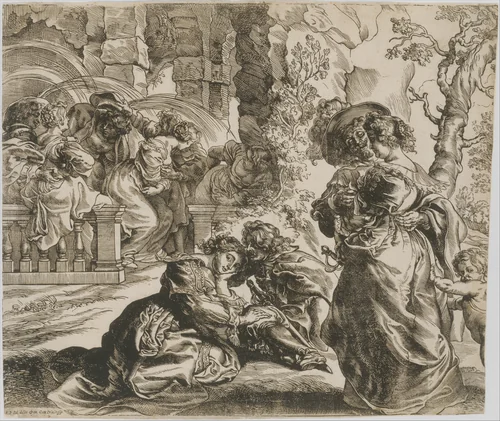
Jegher’s enduring legacy rests on a concise but potent oeuvre, currently documented at approximately fifteen known prints. This limited but exceptional output demonstrates a refined command of linear quality and composition, often requiring the utilization of multiple woodblocks to achieve impressive dimensions. Works such as The Garden of Love, which exists in the form of two large segments (The Garden of Love, Left Half, with Seated Woman and The Garden of Love, Right Half), exemplify this monumental approach, transforming prints from small, intimate works into impressive wall decorations.
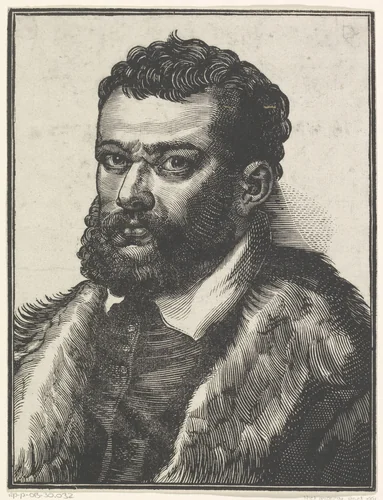
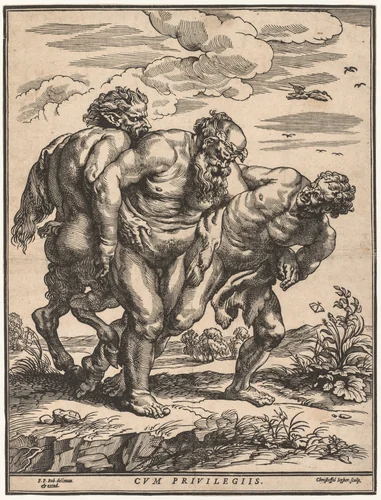
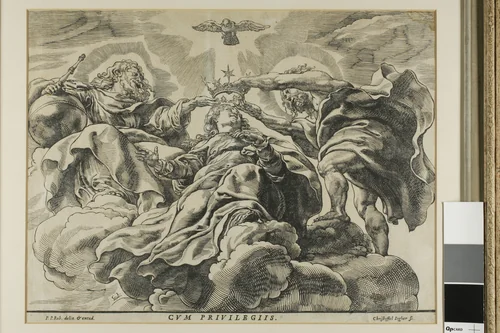
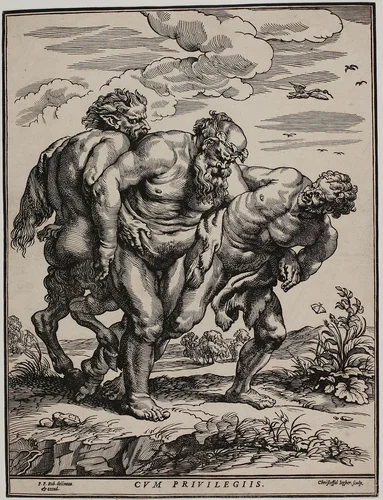
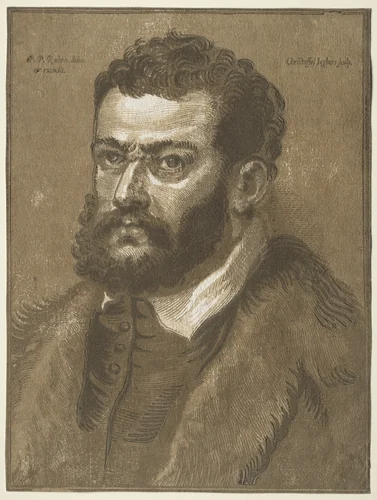
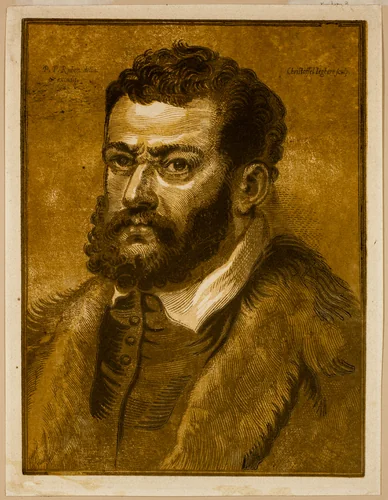
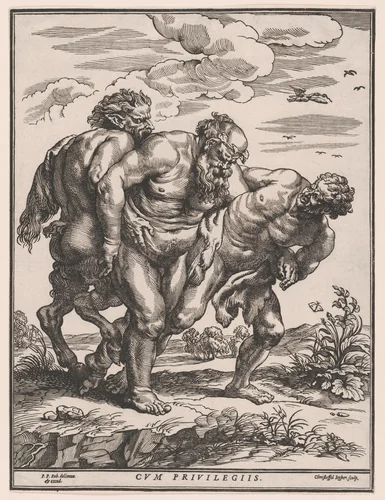
His subject matter was wide-ranging, reflecting the diverse demands of seventeenth-century patronage. He executed detailed portraiture, evident in Toonblok van Portret van Giovanni I Cornaro, alongside dynamic classical scenes, such as Silenus Accompanied by a Satyr and a Faun. Jegher specialized in taking complex compositions, likely often adapted from paintings, and meticulously translating them into reverse images ready for the demanding pressure of the printing press. It is a quiet reflection on the rigor of the era’s commercial requirements that the visual record of his sixty-year career is drawn entirely from prints, rather than Christoffel Jegher paintings.
Today, his achievement is recognized by the inclusion of his works in major international collections, including the Metropolitan Museum of Art, the Rijksmuseum, and the Art Institute of Chicago, establishing their museum-quality status. Many of these seminal pieces have passed into the public domain and are widely available as high-quality prints, allowing contemporary scholars and students access to the technical brilliance of this central figure in Baroque printmaking.
Source: Wikipedia · CC BY-SA 4.0