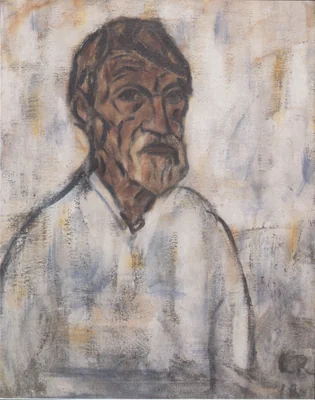
Christian Rohlfs
Christian Rohlfs (1849-1938) is recognized as one of the pivotal figures in German Expressionism, achieving his most celebrated artistic breakthroughs relatively late in life. His long career serves as a unique bridge between late nineteenth-century academic tradition and the radical formal and psychological innovations of early modernism. Rohlfs began his practice rooted in naturalistic representation, yet underwent a profound, self-directed transformation around 1900, aligning his aesthetic sensibilities with the burgeoning expressive movements sweeping Central Europe.
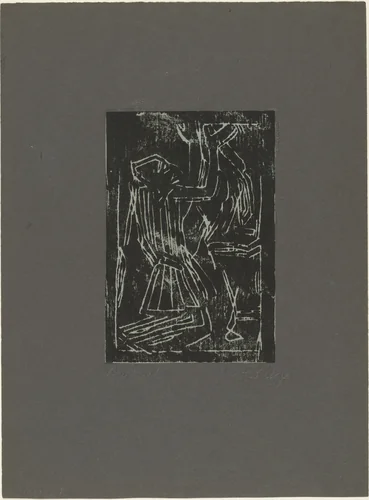
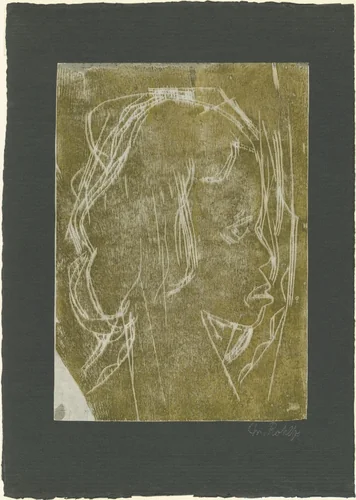
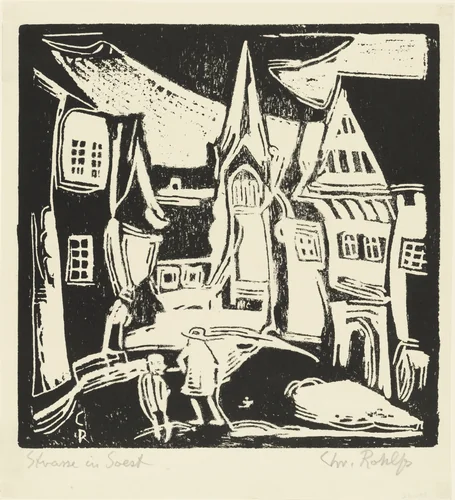
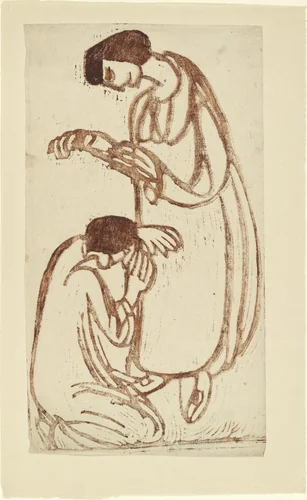
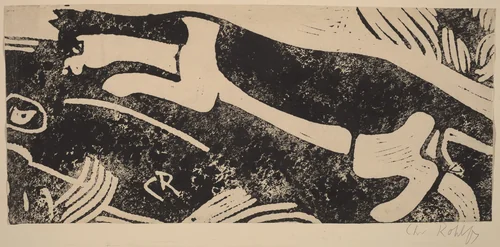
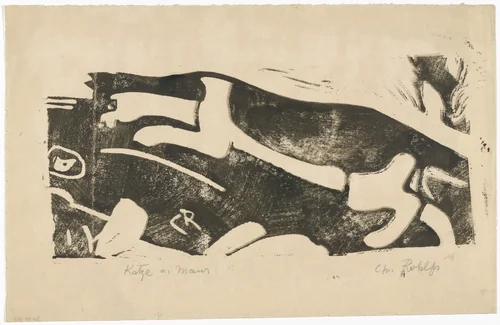
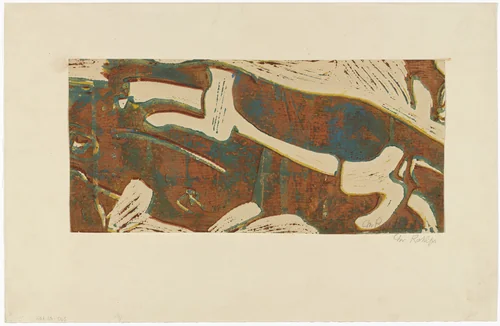
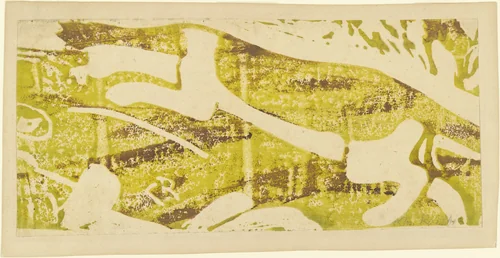
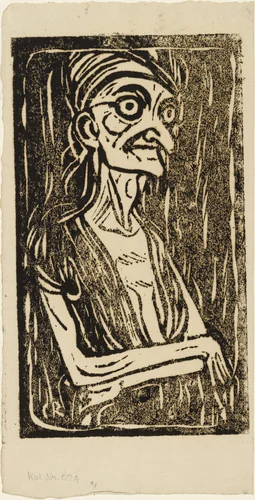
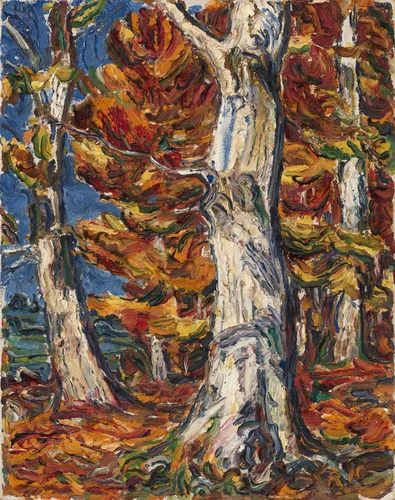
This shift heralded a dynamic period marked by a vigorous use of color and an increasingly simplified, emotionally resonant linear structure. Rohlfs excelled in both oil painting and graphic arts, utilizing various media to explore themes ranging from intimate interpersonal studies to robust interpretations of biblical narratives. While he left behind important Christian Rohlfs paintings, his exploration of the printmaking process, particularly his development of highly textured lithographs and woodcuts, proved fundamental to the scope of his influence.
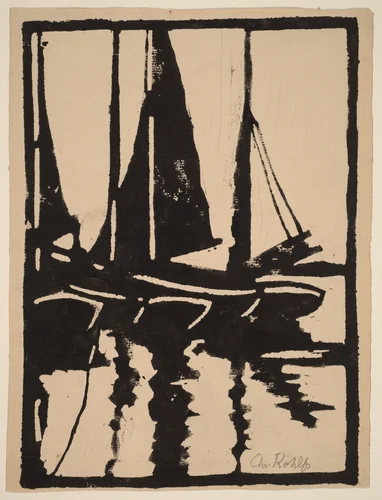
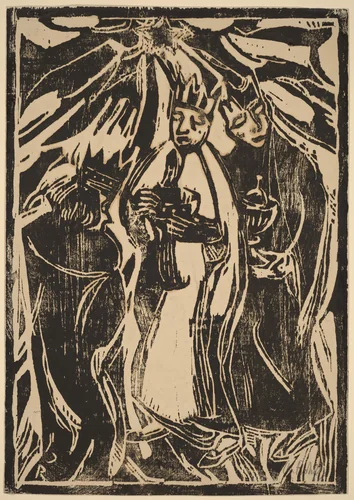
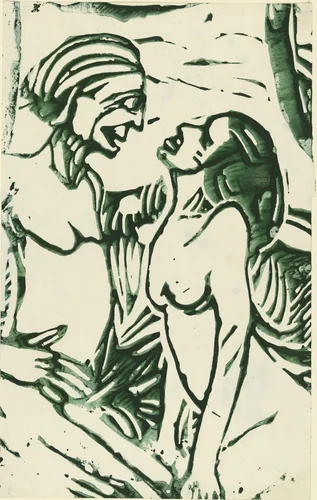
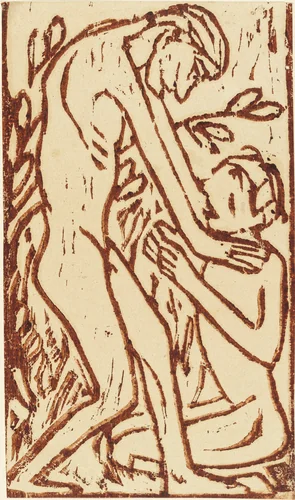
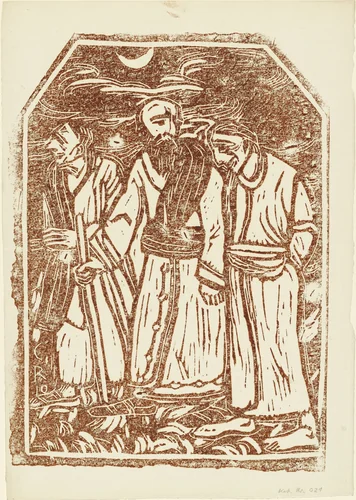
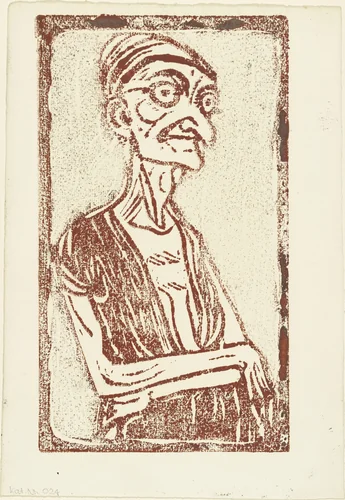
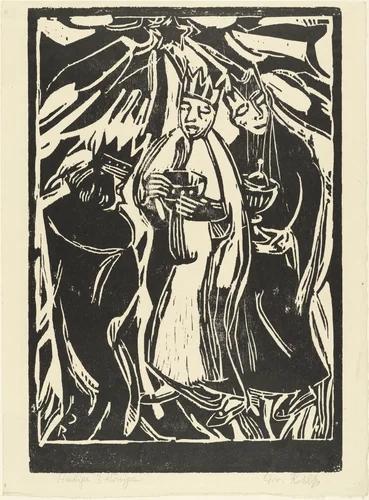
His catalogue includes significant works demonstrating his versatility, moving easily between evocative maritime scenes such as Sailboats in the Harbor and more emotionally charged narrative compositions like The Magi. The series of pieces focusing on human interaction, including Conversation (Unterhaltung) and Couple I (Paar I), reveals a deliberate, sometimes stark approach to form, utilizing the expressive power of simple geometry and unblended color fields typical of Expressionism. Rohlfs’s ability to imbue his subject matter with deep internal life ensured his works retained a refined technical quality, making them distinct museum-quality contributions to the era.
The longevity of Rohlfs’s career, active until 1911 and beyond, allowed him to mature his style far past the age when most artists settle into a definitive period. It is perhaps a subtle irony that an artist who spent decades pursuing traditional academic standards is now celebrated as foundational to a revolutionary movement; evidence that genuine artistic innovation is not solely the preserve of youth. Today, his historical significance is reflected in major collections internationally, including the Museum of Modern Art and the National Gallery of Art. Many fine examples of Christian Rohlfs prints are now entering the public domain, guaranteeing broad access to this essential chapter of modern art history.
Source: Wikipedia · CC BY-SA 4.0
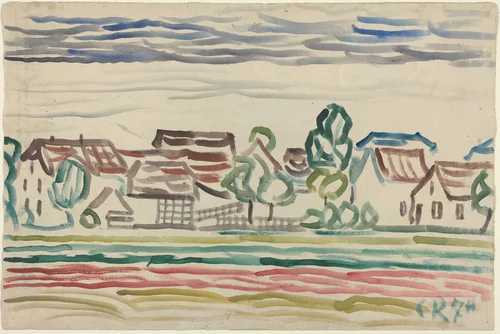
![Landscape (Polling) [Landschaft (Polling)] by Christian Rohlfs, print, 1911](https://img.artbee.org/fd4bd903-d75b-4102-9738-4fef88bcc23a/small.webp)
![Landscape (Polling) [Landschaft (Polling)] by Christian Rohlfs, print, 1911](https://img.artbee.org/987b0756-bfd3-4b15-ae04-4d9926388816/small.webp)