Christian Friedrich Zincke
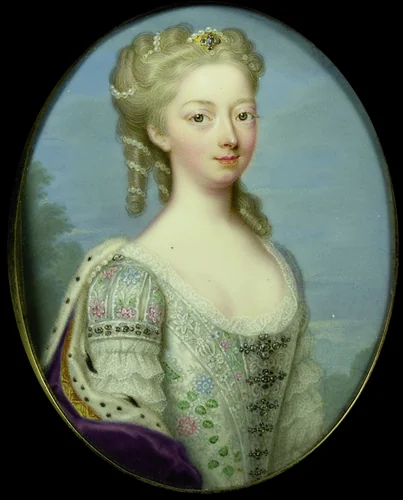
Christian Friedrich Zincke (1683-1767) stands as one of the preeminent German artists who found enduring success in 18th-century England. Active primarily from 1703 to 1730, he established his reputation almost exclusively through the highly specialized and technically demanding medium of enamel miniature painting. Zincke rapidly dominated the court portrait market, capturing the likenesses of the era’s most powerful figures, securing his position as miniature painter to the Prince and Princess of Wales, the future George II and Queen Caroline.
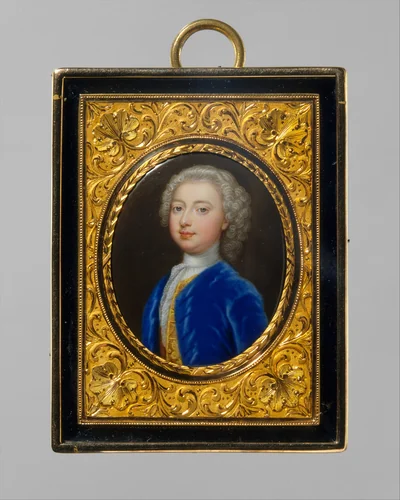
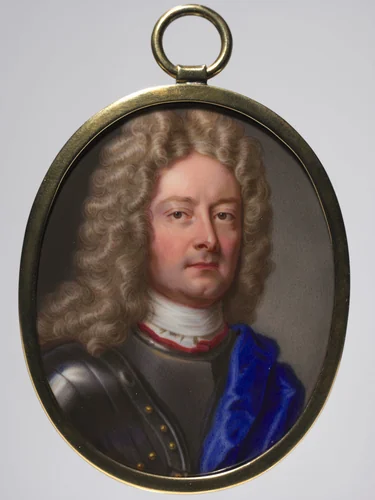
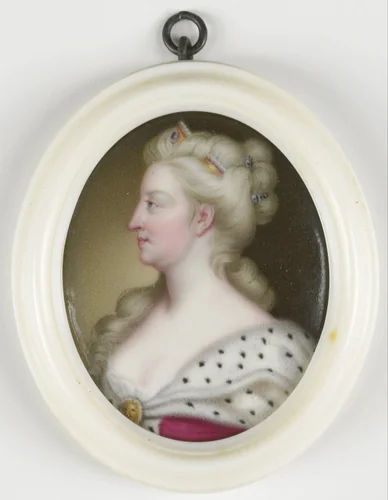
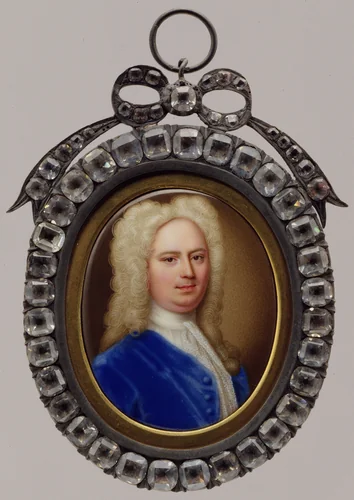
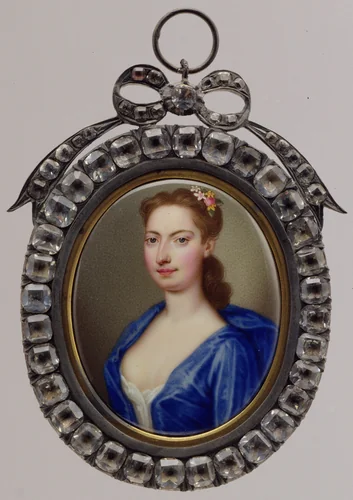
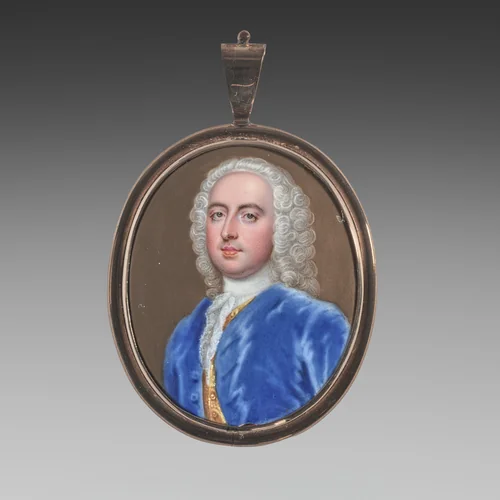
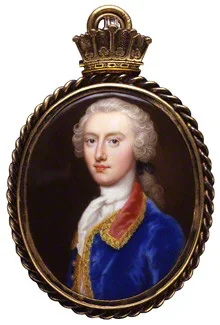
Zincke’s meticulous technique is characterized by brilliant coloration and superb attention to detail, allowing him to translate the compositional grandeur of large oil portraiture into the intimate scale required of a miniature. His sitters frequently included the highest echelon of British society and foreign aristocracy, a testament to his unparalleled status among his contemporaries. Key surviving commissions include the foundational Portrait of John Churchill, 1st Duke of Marlborough and the official court likeness of Queen Consort Caroline van Brandenburg-Anspach. His mastery lay in his ability to render the intricate textures of expensive textiles, polished armor, and the subtle variations of flesh tone, ensuring that the visual luxury of the sitting was fully conveyed on the minuscule copper support.
The demand for Zincke’s work reflects the crucial role of the miniaturist in the 18th century. These small, portable images served not merely as documentation but as diplomatic gifts, tokens of affection, and critical symbols of lineage and political affiliation. Zincke’s specialized focus on enamel ensured a durability and resistance to fading that few artists working in less stable media could match. This permanence contributes directly to the fact that Zincke’s extant Christian Friedrich Zincke paintings and miniatures retain a remarkable freshness today, confirming their museum-quality status.
Major international institutions, including the Rijksmuseum, the Metropolitan Museum of Art, and the Cleveland Museum of Art, maintain important examples of his output. His collected body of work provides a compelling and insightful social register of the Georgian elite, proving that sometimes, the most enduring portraits are those small enough to be carried in a pocket. For contemporary study and appreciation, many of these historical records are now available, often replicated as high-quality prints for scholarly examination worldwide.
Source: Wikipedia · CC BY-SA 4.0