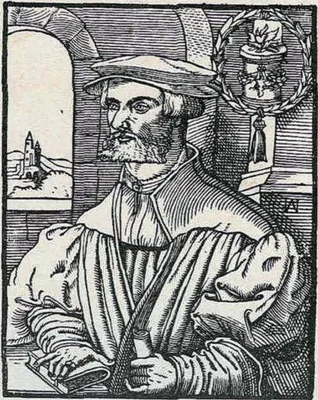
Christian Egenolff
Christian Egenolff (c. 1502-1555), sometimes distinguished as Christian Egenolff, the Elder, holds the singular distinction of being Frankfurt-am-Main’s first truly important printer and publisher. Active primarily from 1535, Egenolff’s press was instrumental in establishing Frankfurt as a nascent center for European intellectual exchange, a status it would cement and maintain for centuries. His operation was not merely translational; through technically advanced production and calculated re-issues of essential texts, Egenolff catered simultaneously to academic scholarship and the rapidly growing popular market. Over his career, Egenolff is credited with the production of at least fifteen significant books, many of which remain cornerstones for understanding early Renaissance print culture in Germany.
Egenolff’s publishing output is crucial to visual and applied arts history, demanding sophisticated graphic design and woodcut execution. His most famous achievement was the comprehensive botanical volume, Herbarum, arborum, fruticum, frumentorum ac leguminem, widely known as the Kräuterbuch. Such detailed, heavily illustrated herbals were vital tools for contemporary medicine and scientific inquiry. Beyond natural history, Egenolff secured his intellectual reputation by providing essential re-issues of influential humanists, including Adam Ries, Erasmus von Rotterdam, and Ulrich von Hutten, ensuring their continued circulation and impact across the continent.
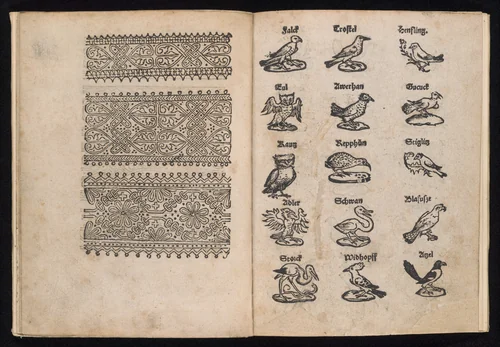
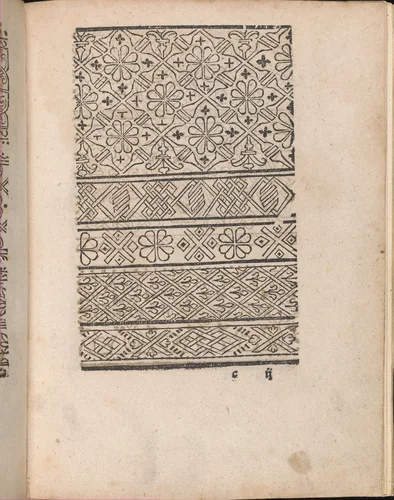
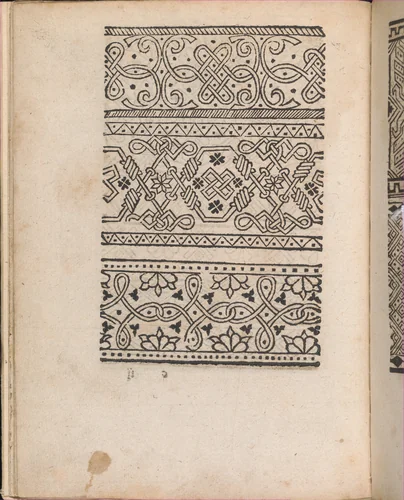
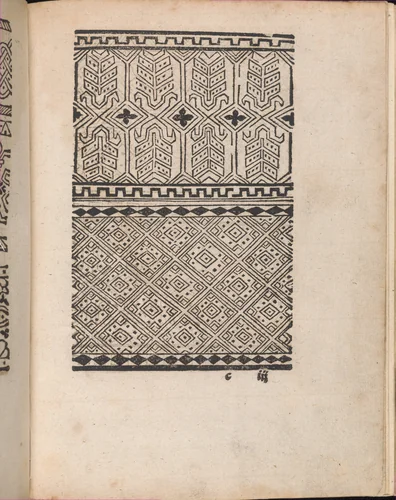
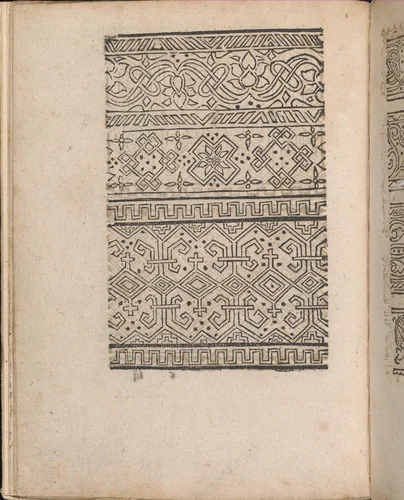
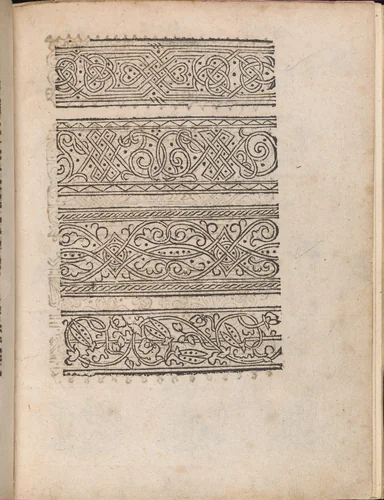
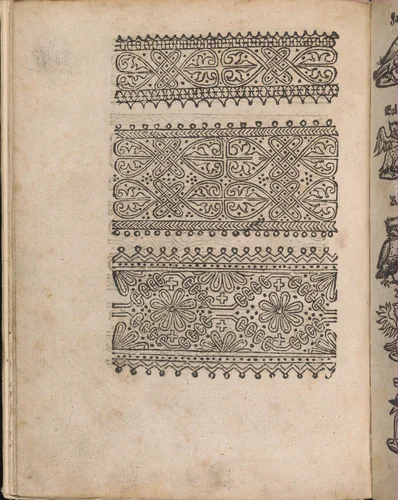
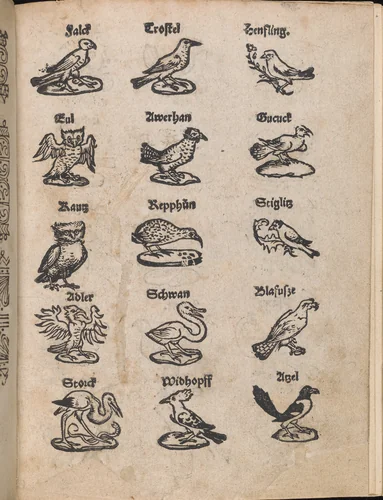
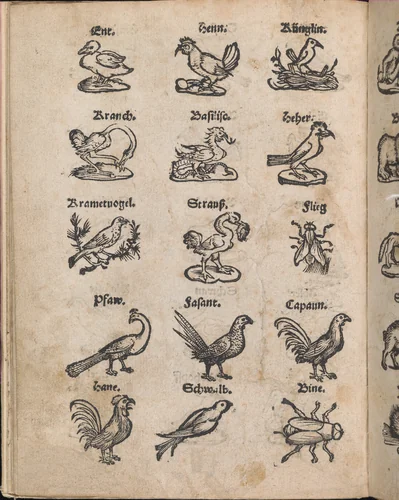
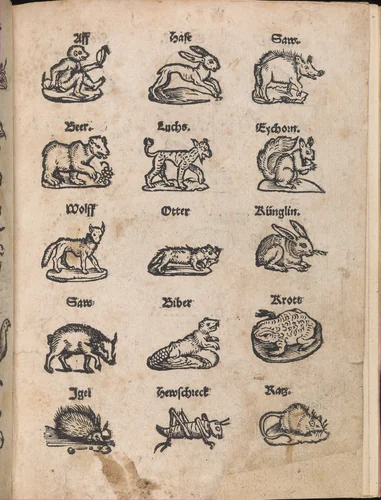
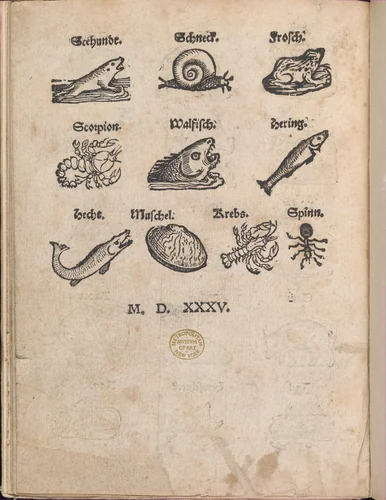
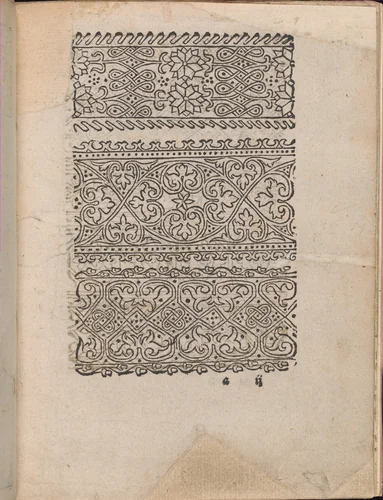
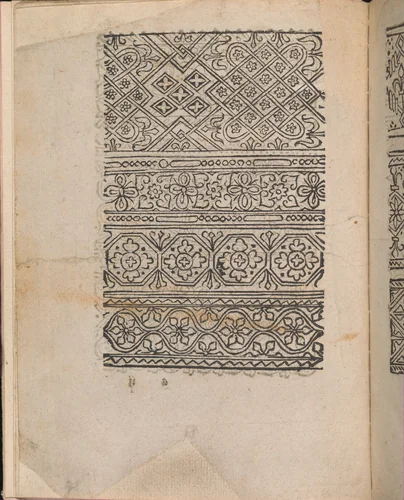
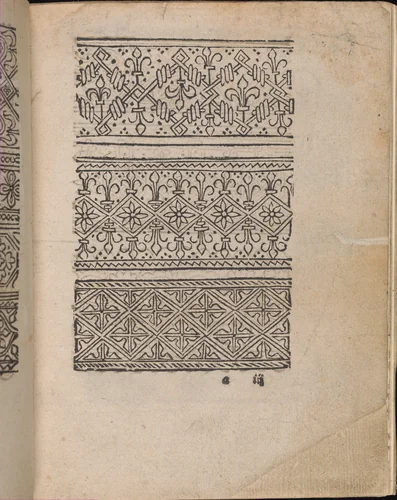
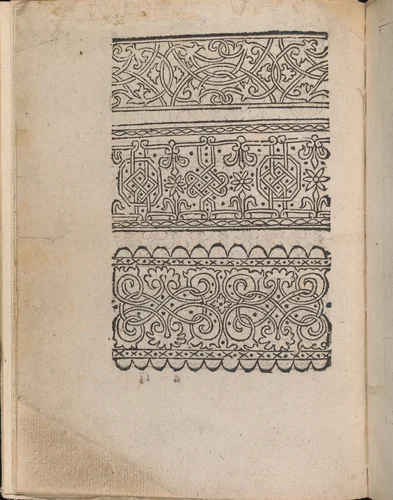
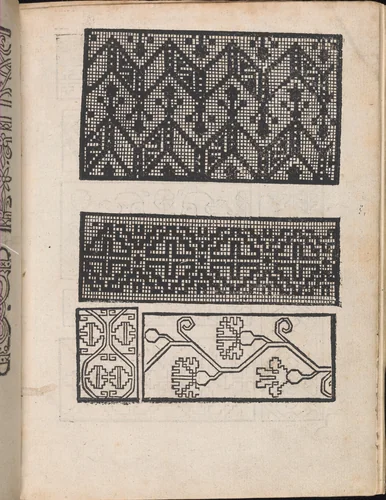
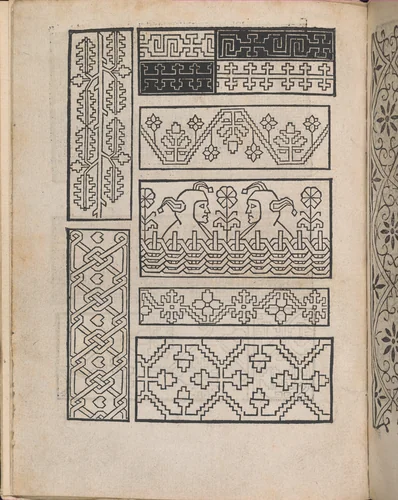
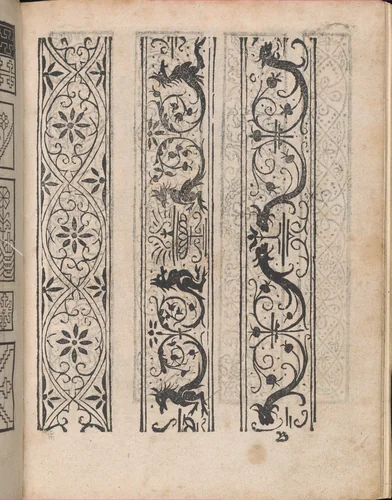
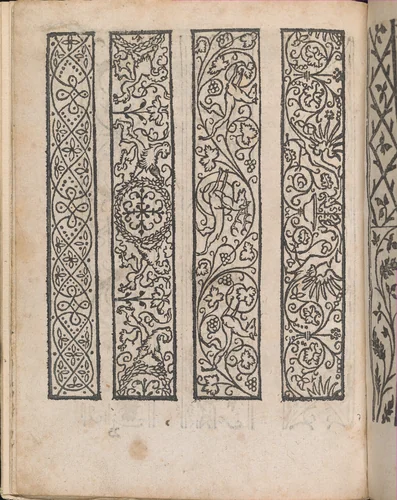
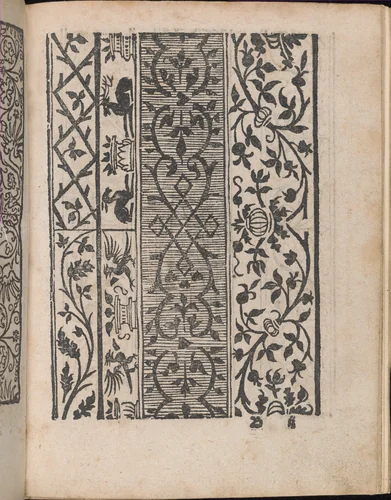
A unique example of his commitment to integrating practical craft with high-quality prints is the Modelbuch aller Art Nehens vn Stickens. This pattern book, dedicated entirely to detailed designs for sewing and embroidery, illustrates the early potential of print media to standardize and disseminate specialized visual knowledge directly into the hands of artisans. Egenolff’s press was notably pragmatic; unlike some contemporaries who favored strictly theoretical or religious tracts, he possessed a keen understanding of the market appetite for usable, actionable knowledge, from arithmetic manuals to pattern guides.
Today, the legacy of Egenolff’s technical skill and editorial acumen is preserved in major institutional holdings, including the collection of the Metropolitan Museum of Art. Because of their historical significance and early publication dates, the visual content and designs from Egenolff’s works, particularly the intricate patterns found in the Modelbuch, are now often in the public domain. This makes high-quality prints derived from his woodcuts available as downloadable artwork for scholarly research and contemporary inspiration.
Source: Wikipedia · CC BY-SA 4.0