Christen Købke
Christen Schiellerup Købke (1810-1843) stands as a foundational figure of the Golden Age of Danish Painting, a period defined by an intense focus on national identity, meticulous realism, and the transformative power of light. Though his active career spanned only just over a decade, Købke’s influence established a lasting standard for intimate observation and atmospheric authenticity within Northern European art.
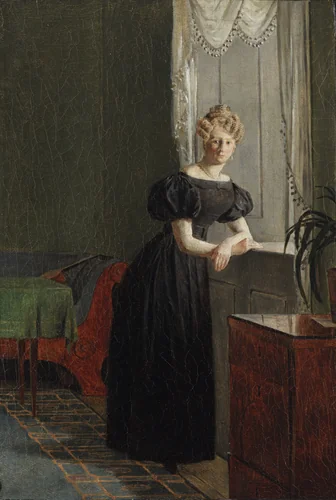
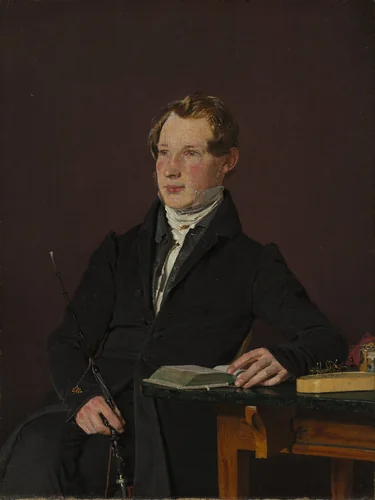
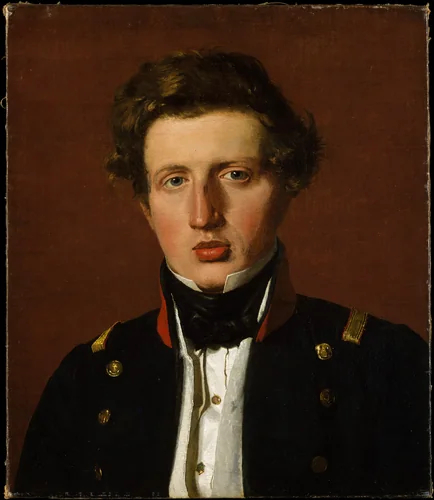
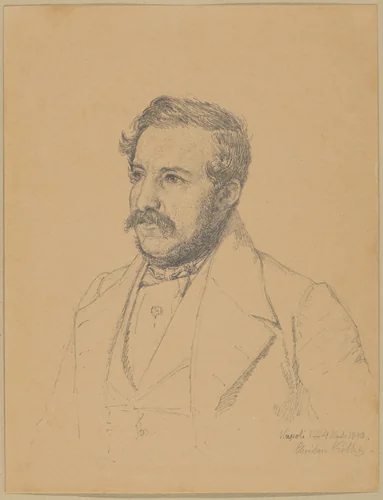
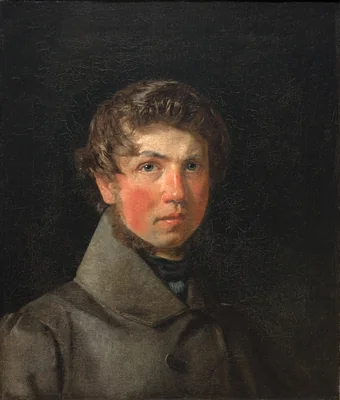
Unlike contemporaries who often pursued dramatic historical themes, Købke cultivated an art of the immediate and personal. His subject matter was drawn largely from his own surroundings, encompassing detailed architectural views, delicate landscapes, and penetrating portraiture. His works are characterized by an elegant precision, translating everyday locations and individuals into subjects of profound visual contemplation. His famous oil painting, Sophie Købke (later Sophie Krohn, 1807–1853), the Artist's Sister, in the Hall at Kastellet, exemplifies this approach, integrating the sitter’s character with the specifics of the domestic environment to create a cohesive psychological and spatial rendering.
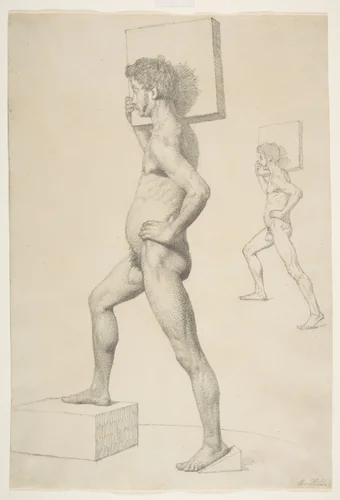
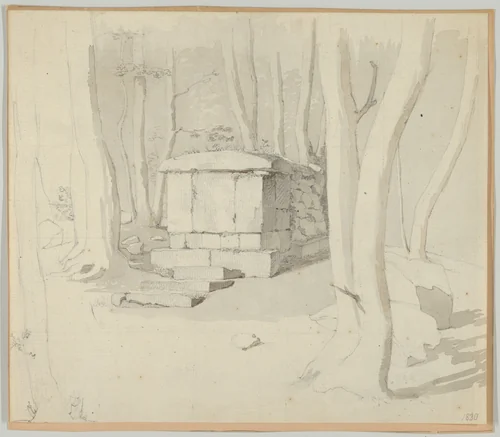
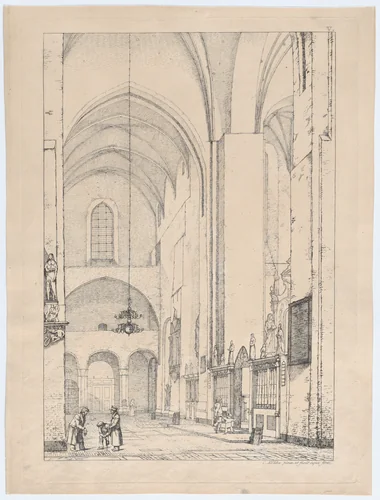
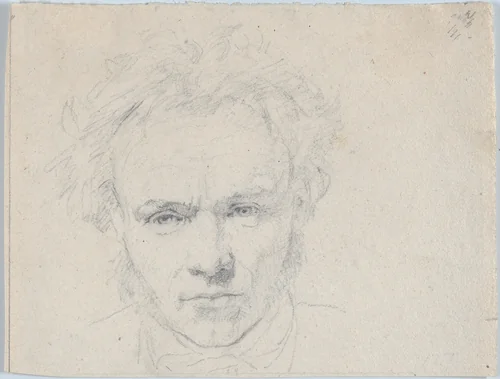
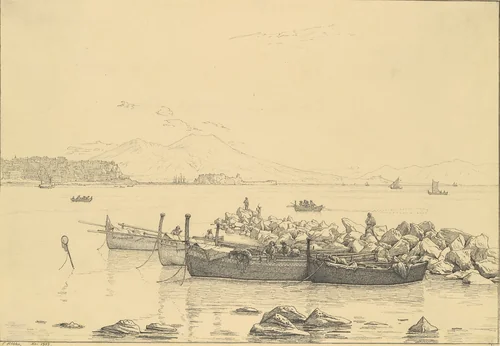
Købke’s mastery extended beyond painting into drawing and preparatory studies. Works such as Study of a Male Nude Shouldering a Wooden Block illustrate his academic rigor in the human form, while architectural studies, including the striking Transept of Aarhus Cathedral, demonstrate a refined ability to convey the scale and texture of ancient stonework under the specific quality of Scandinavian light. It is perhaps in his smaller, unpretentious studies and drawings, like the quiet observation found in A Stone Tomb in a Forest, that Købke's particular genius for momentary capture is best preserved.
Despite his tragically short life, Købke’s contribution cemented his legacy as a vital modernist precursor. His technical control and capacity to imbue simple scenes with deep emotional resonance remain highly prized globally. Today, his oeuvre is represented in prestigious institutions such as the Metropolitan Museum of Art and the Cleveland Museum of Art, ensuring that Christen Købke paintings and prints continue to be studied and appreciated worldwide. Furthermore, many of his definitive works are now entering the public domain, allowing for the widespread dissemination of high-quality prints and downloadable artwork for scholars and enthusiasts alike.
Source: Wikipedia · CC BY-SA 4.0