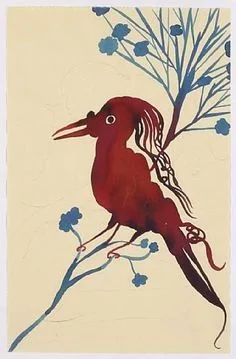
Chris Ofili
Christopher Ofili is a preeminent British contemporary artist, recognized globally as the winner of the prestigious 1998 Turner Prize. His painting practice is defined by a bold interrogation of materials, resulting in complex, highly textural surfaces that challenge established notions of artistic media and presentation.
Ofili’s canvases are characterized by a maximalist layering of disparate elements. He utilizes conventional oil paint and resin in concert with materials typically foreign to fine art, including beads, glitter, and strategically placed cut-outs from pornographic magazines. His most celebrated and controversial innovation involves the incorporation of compacted lumps of elephant dung, which functions both as a sculptural element, elevating the canvas from the floor, and as a subversive textural medium integrated within the composition. This disruptive aesthetic led critics to classify his output firmly within the genre of punk art, celebrating his ability to merge the irreverent and the deeply spiritual.
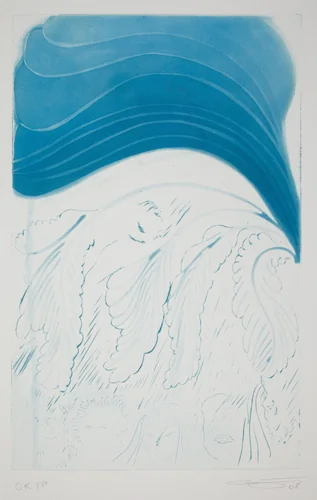
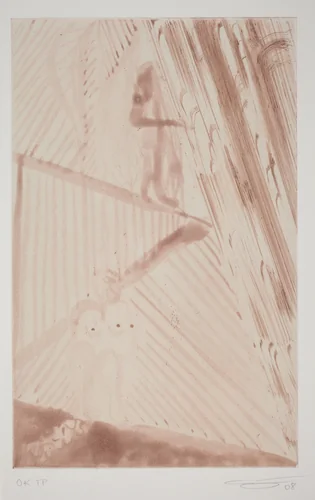
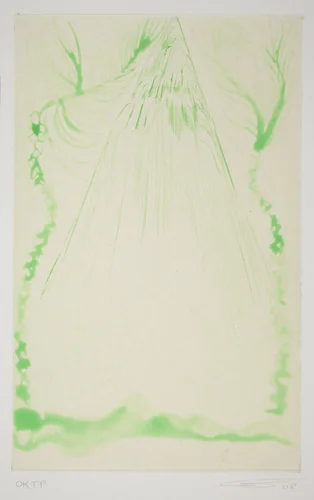
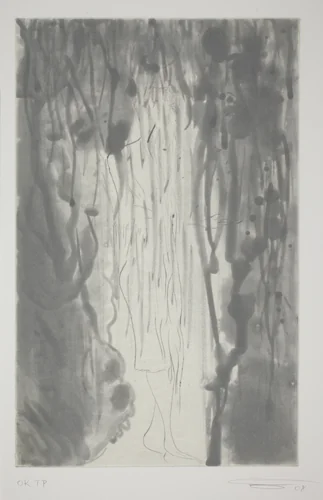
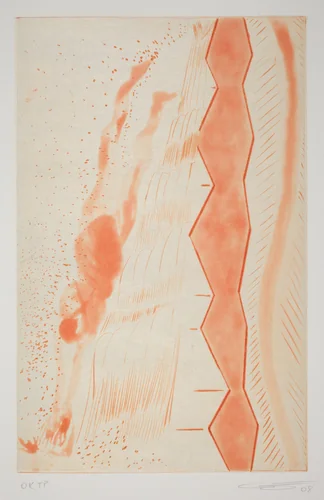
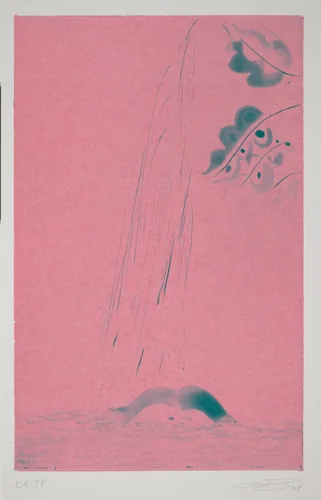
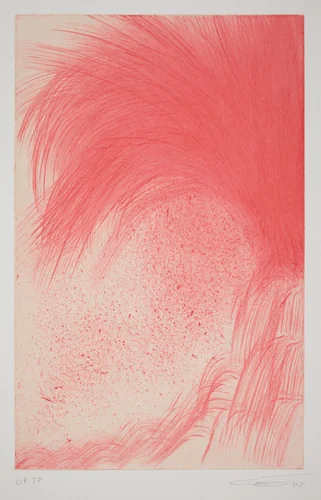
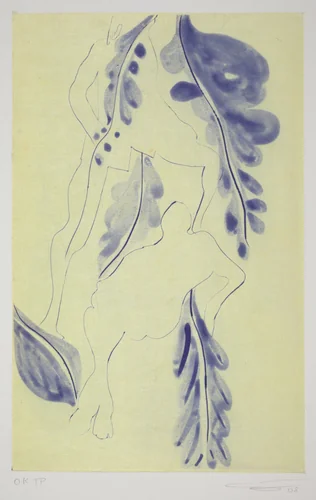
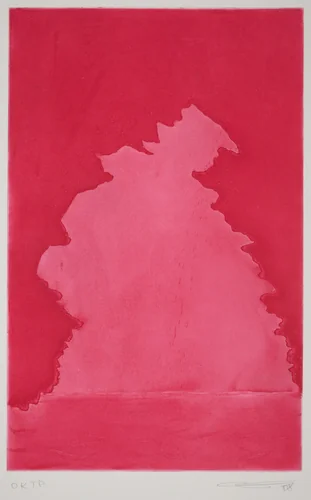
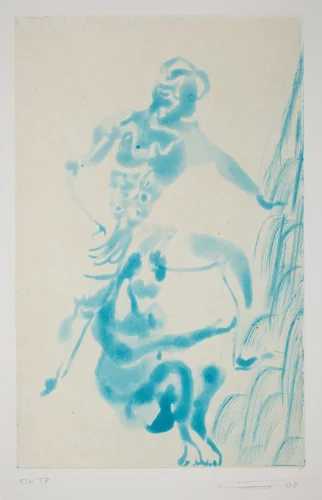
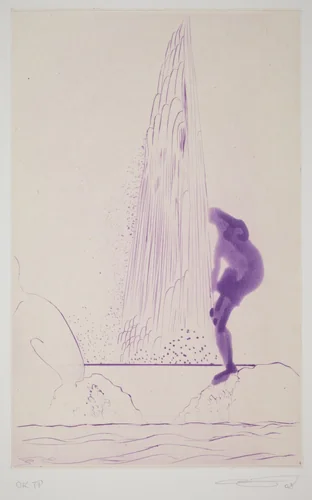
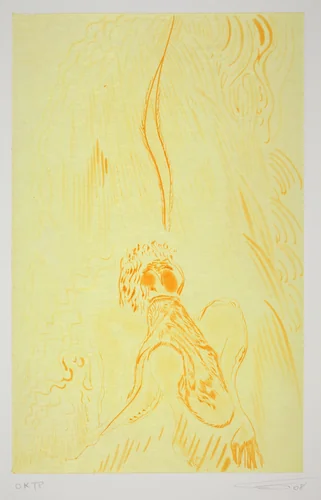
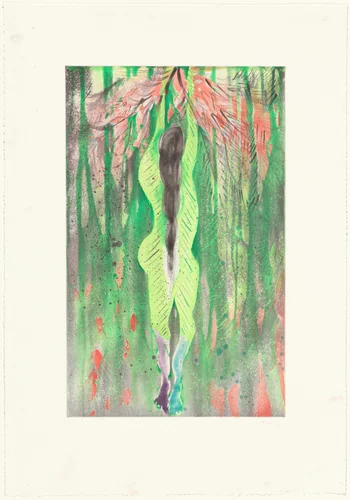
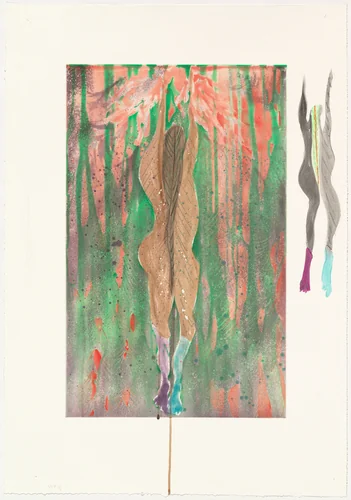
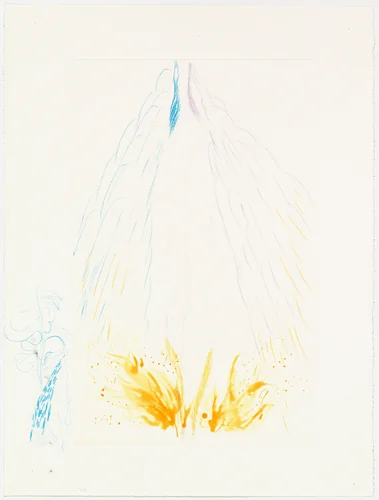
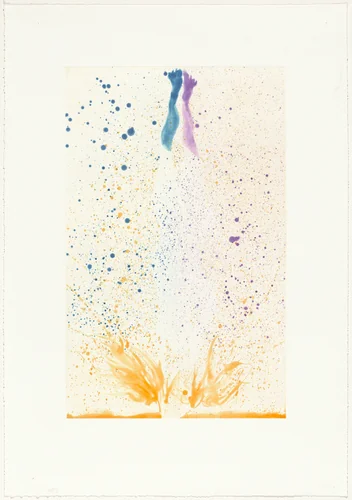
While celebrated for his provocative, large-scale paintings, Ofili has also explored graphic media with characteristic intensity. A focused body of work created between 2008 and 2009 includes approximately fifteen striking prints, demonstrating his facility for translating his complex imagery into the realm of editioned work. This collection, which includes the vibrant “Rainbow” series, featuring titles such as Rainbow - Brown Bathers and Rainbow - Grey Seale, is represented in major collections, including the National Gallery of Art. The existence of these Chris Ofili prints, often rendered as high-quality prints, ensures that museum-quality representations of his vision are accessible for study and appreciation.
In a subtle echo of the global influences present in his work, Ofili has relocated his primary residence and studio to Trinidad. This geographical shift marks the continuation of an artistic journey focused on synthesizing complex cultural narratives with a uniquely innovative approach to the painted surface.
Source: Wikipedia · CC BY-SA 4.0