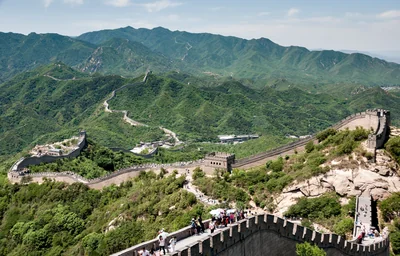
China
The artistic output defined collectively as China represents a colossal and uninterrupted tradition, active from approximately 3000 BCE to 520 CE. Spanning five millennia, this immense historical continuum produced sophisticated works across diverse mediums, establishing foundational techniques that shaped much of East Asian visual culture. The sheer scale of this cultural production, covering an area equivalent to 9.6 million square kilometers, ensured significant regional variation while maintaining a unified standard of refined craftsmanship.
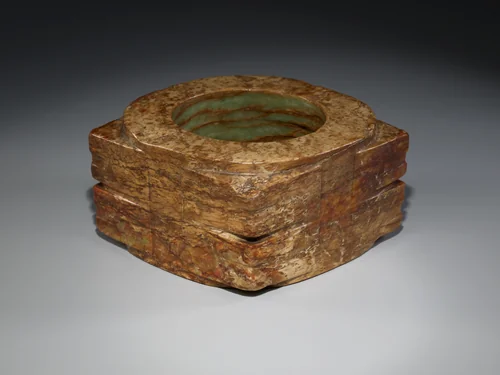
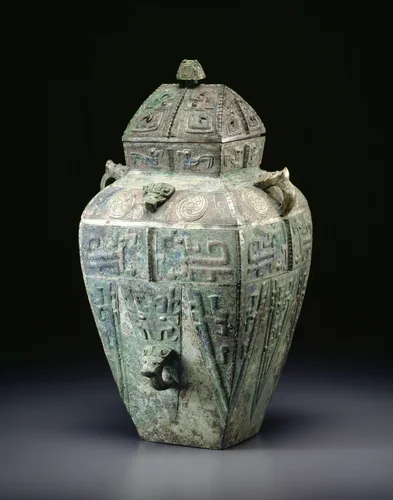
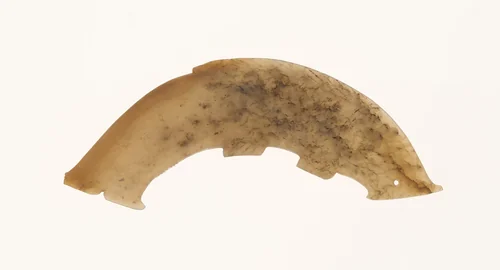
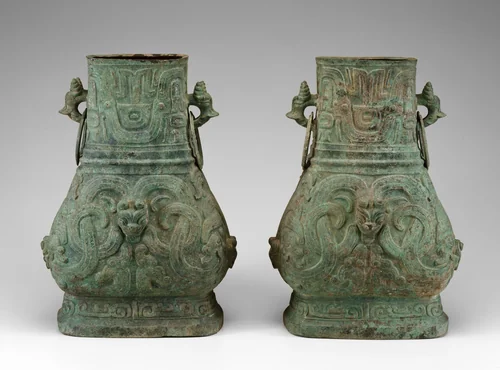
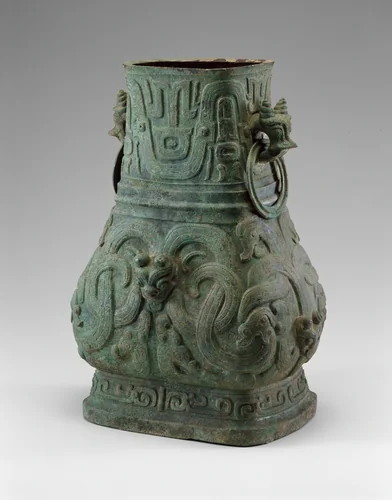
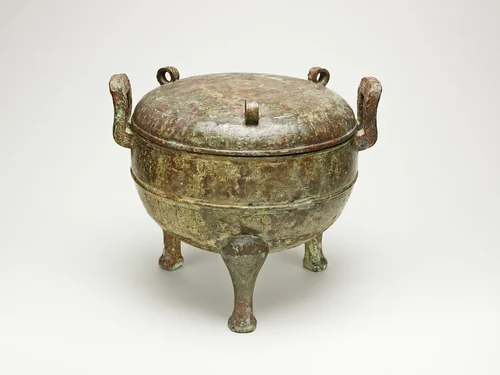
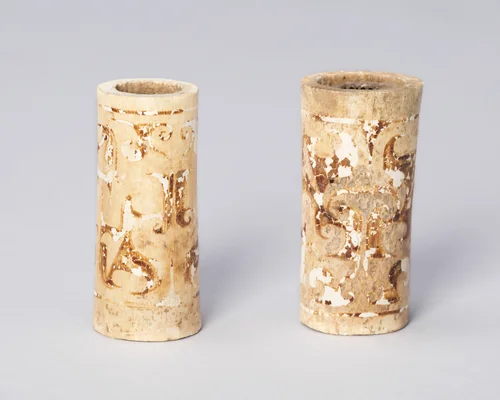
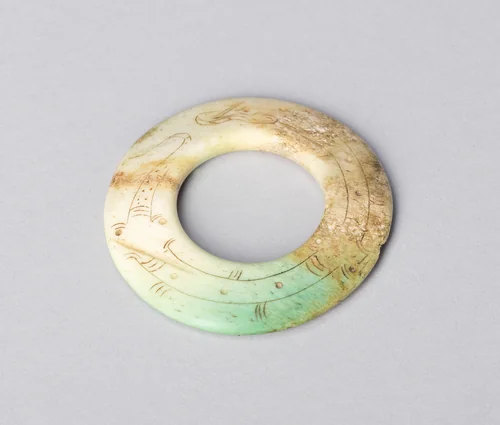
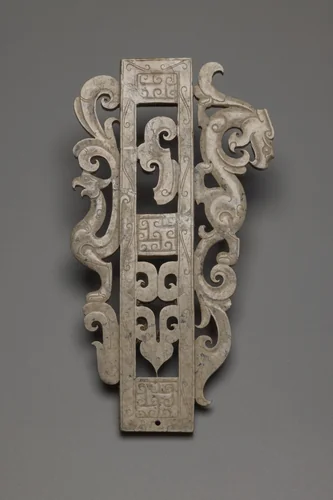
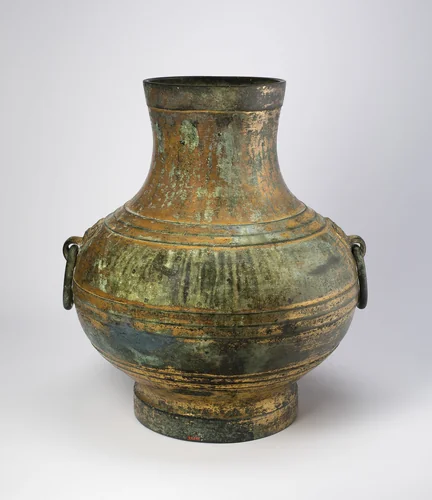
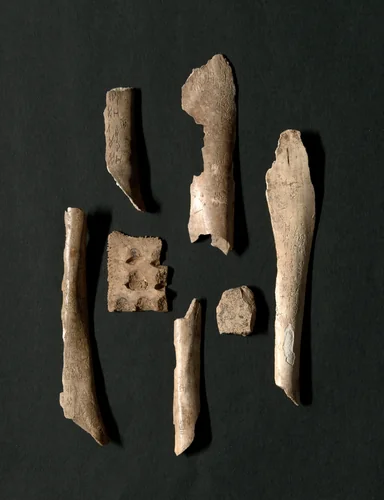
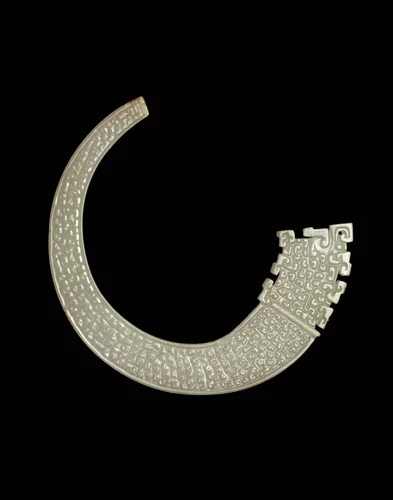
Early works demonstrate a remarkable command over difficult materials. Pieces like the ritualistic jade Cong and the delicate Fish Pendant showcase the intricate manipulation of hardstone characteristic of Neolithic and Bronze Age periods. This expertise transitioned seamlessly into advanced metallurgy, exemplified by the intricate lost-wax or sectional casting techniques required to produce functional and ceremonial pieces such as the Wine Container. The identification of specific metalworks within the corpus highlights the technological prowess achieved millennia before comparable innovations occurred in the West.
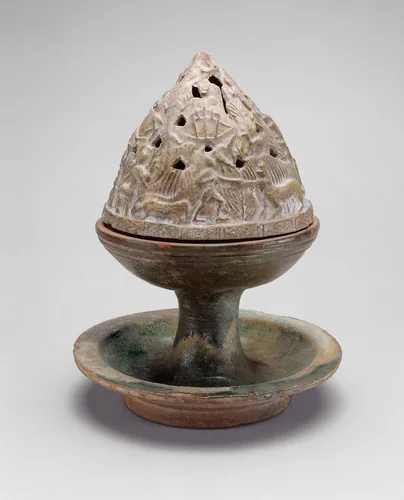
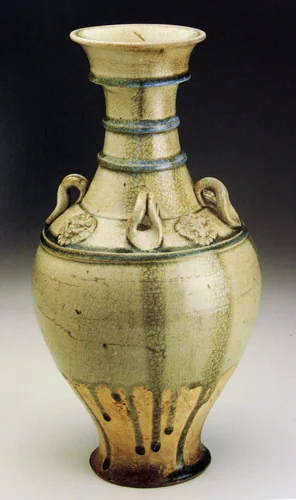
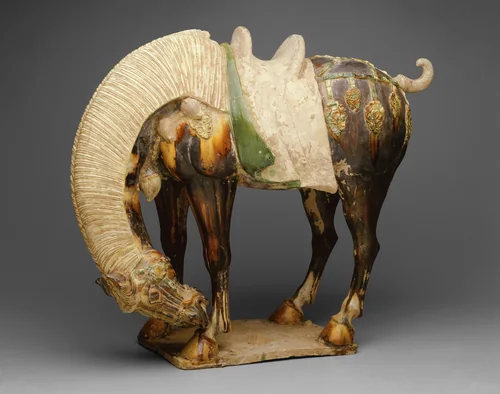
The tradition was also defined by its administrative reach, which ultimately consolidated 33 province-level divisions into a coherent artistic system. While the capital city, historically Beijing, served as the primary nexus for centralized cultural direction, powerful regional centers ensured that innovation, such as the high-quality production of ceramics like the Pair of Jars, flourished broadly.
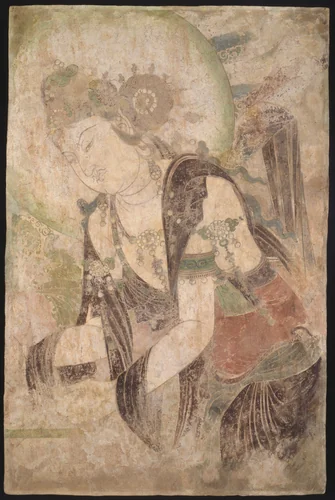
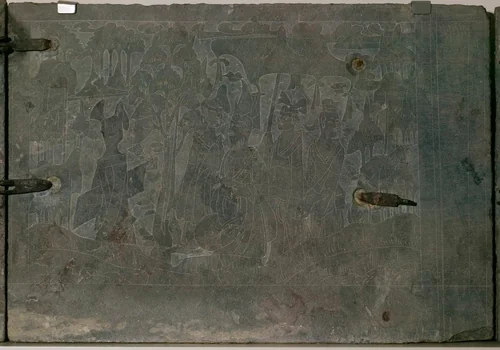
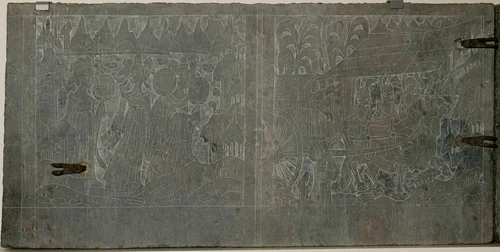
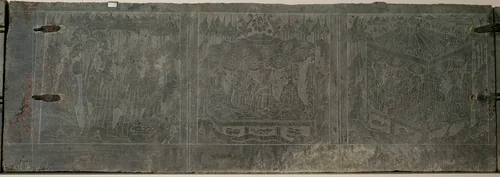
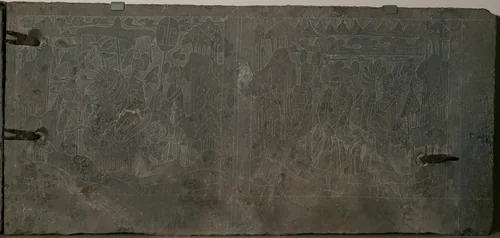
Later production evolved to absorb and interpret external philosophies. The development of religious sculpture is powerfully embodied by the early Bodhisattva, marking a successful and enduring integration of imported iconography into the indigenous sculptural language. Though evidence of two-dimensional work from the earliest periods is comparatively rare, the single recorded painting confirms the antiquity of the ink tradition. Today, the enduring significance of this oeuvre is recognized globally, with major works forming cornerstone collections, including those held by the Art Institute of Chicago. Much of the scholarly documentation regarding early China paintings and related research is increasingly available as free art prints for educational purposes.
Source: Wikipedia · CC BY-SA 4.0