Chester Harding
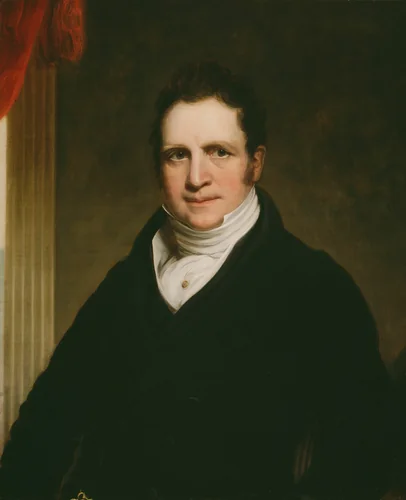
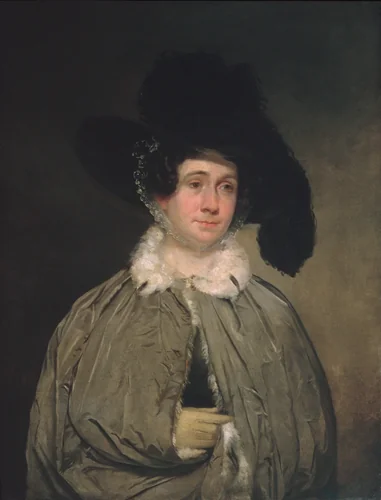
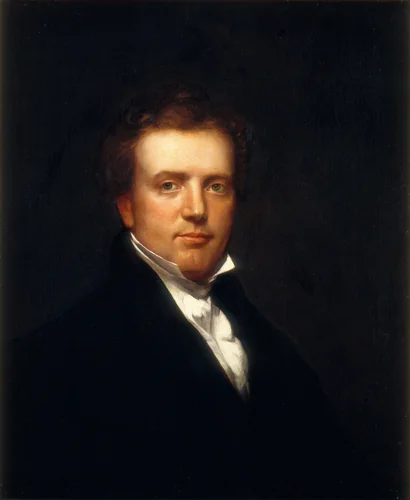
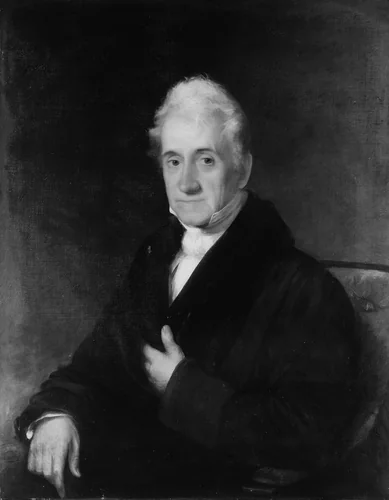
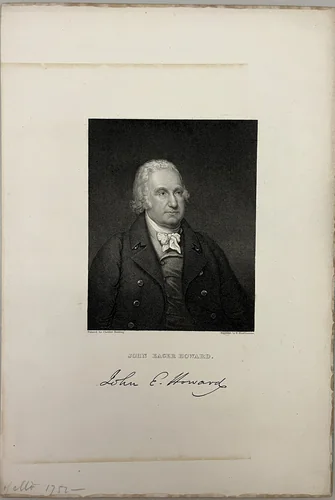
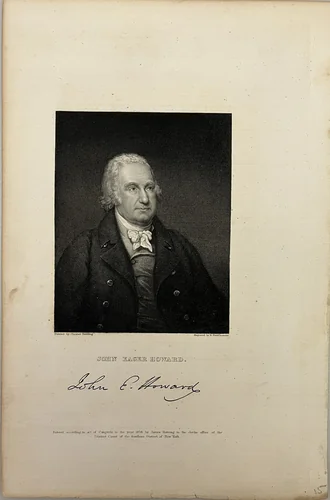
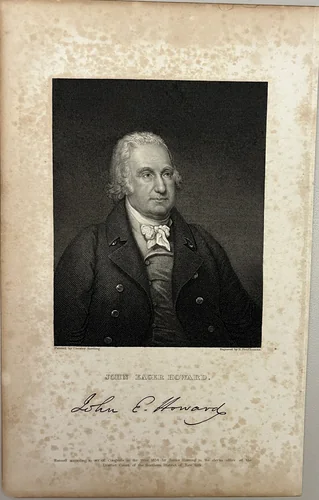
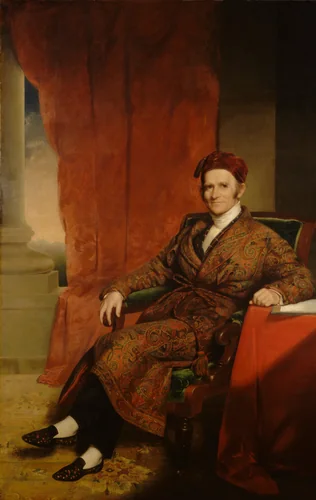
Chester Harding (1792-1866) was a dominant figure in American portraiture throughout the Federal and Jacksonian eras. Active professionally between 1822 and 1845, Harding established a reputation for capturing robust and direct likenesses of the nation's political and social elite, working extensively in cities from Boston to Washington, D.C. His career reflects the changing demands of the young republic for art that was both substantial and rapidly produced, positioning him successfully against contemporaries who often adhered to stricter European academic conventions.
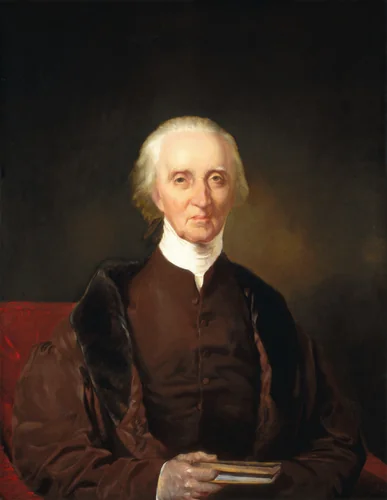
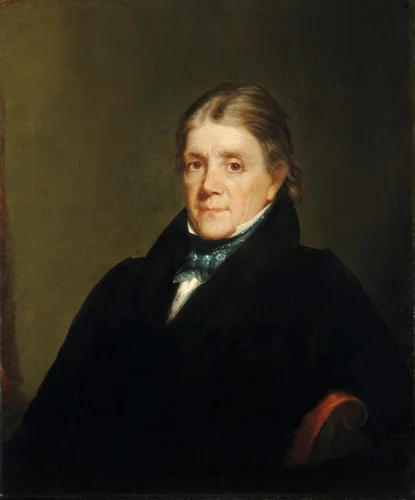
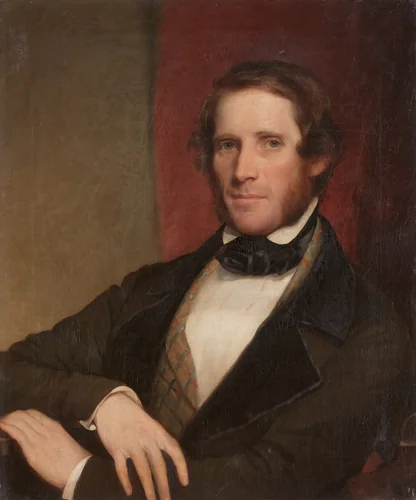
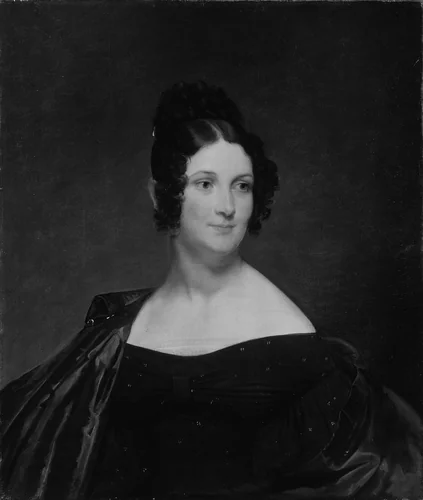
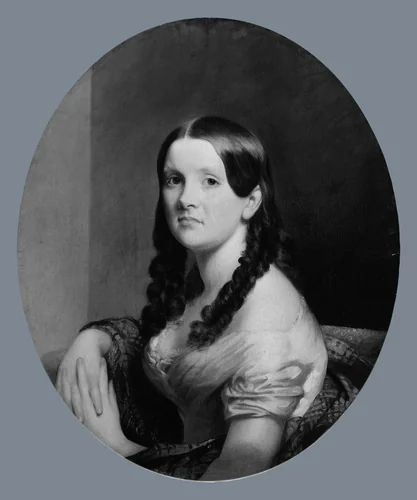
Harding was particularly skilled at portraying historical figures in their advanced years, giving his works an immediate gravity. His celebrated commissions include the compelling image of Thomas Abthorpe Cooper (1776-1849), the famous tragedian, and the portrait of Stephen Van Rensselaer, the influential New York landowner and politician. Crucially, Harding documented the venerable Charles Carroll of Carrollton, the last living signatory of the Declaration of Independence, preserving a vital link to the country’s founding generation. These key Chester Harding paintings and drawings, along with works like the stately portrait of Mrs. Thomas Brewster Coolidge, confirm his essential role in early American visual history.
The artist’s approach prioritized naturalism and a lack of overly embellished backgrounds, allowing the sitter’s personality to dominate the canvas. This straightforward methodology contributed significantly to his prolific output; Harding once claimed he could paint a portrait in a matter of hours, a speed that was both celebrated by his patrons and occasionally noted with bemusement by critics. This efficiency meant he often captured a more spontaneous pose than was typical for the period.
Today, the authoritative standing of Harding’s oeuvre is secured by his widespread representation in major American institutions, including the Art Institute of Chicago, the Metropolitan Museum of Art, and the National Gallery of Art. Due to the era in which he worked, much of his documentation of influential sitters now resides in the public domain, ensuring that high-quality prints and downloadable artwork remain freely accessible for historical and scholarly study.
Source: Wikipedia · CC BY-SA 4.0