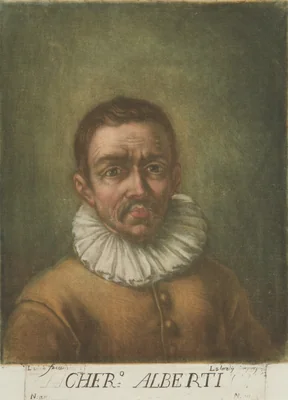
Cherubino Alberti
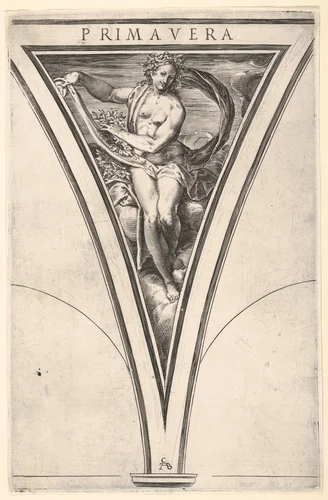
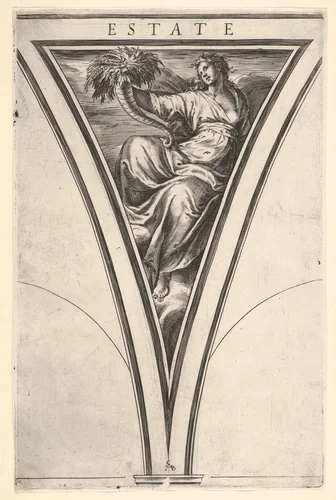
Cherubino Alberti (1553–1615), known occasionally by the designation Borghegiano, holds a significant place in the narrative of late Renaissance Italian art, primarily through his masterful command of copperplate engraving and his collaborative work in fresco painting. While he is most often remembered for the extensive Roman frescoes executed with his brother, Giovanni Alberti, during the papacy of Clement VIII, his fundamental influence stems from his prodigious output as a printmaker.
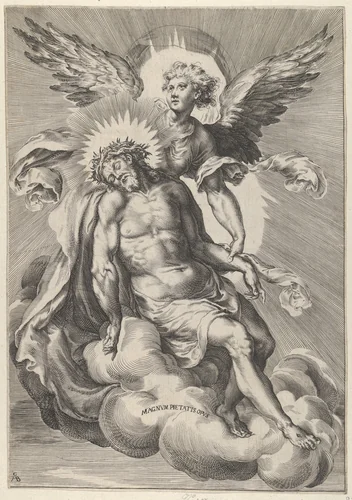
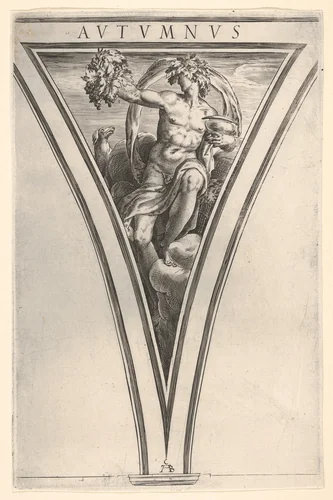
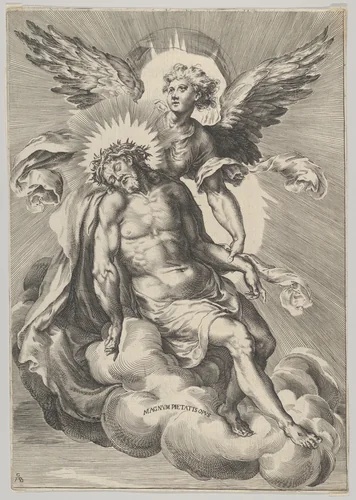
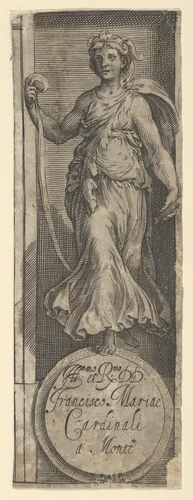
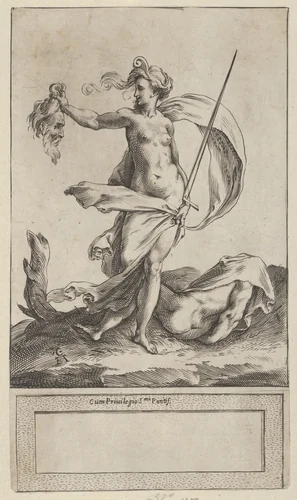
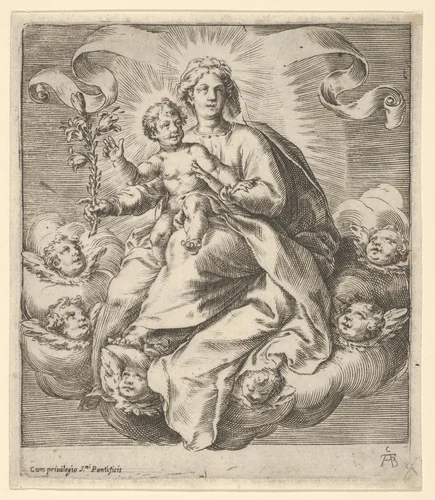
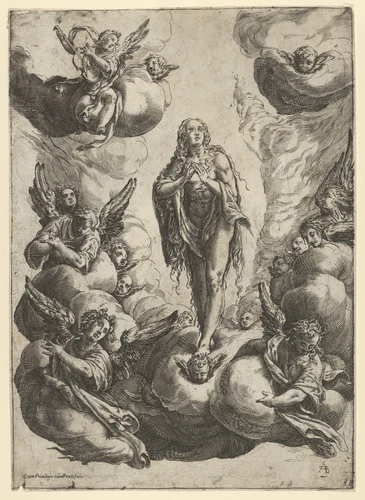
Alberti’s versatility allowed him to move seamlessly between the monumental scale of ceiling decorations and the intimate detail required for graphic arts. His engraved works demonstrate a keen technical precision, cataloging a wide range of subjects from religious allegory to highly functional decorative studies. Examples like the pair of engravings titled Design for Two Knife Handles reveal his engagement with the contemporary applied arts, while compositions such as Allegorical Figure of Religion (recto) showcase his proficiency in developing complex iconographic narratives characteristic of the period. This dual focus, where the same artist could oversee the decoration of grand Vatican spaces while meticulously sketching a mundane metal accessory, provides a fascinating-if understated-observation of the economic and artistic demands placed upon prolific Roman workshops.
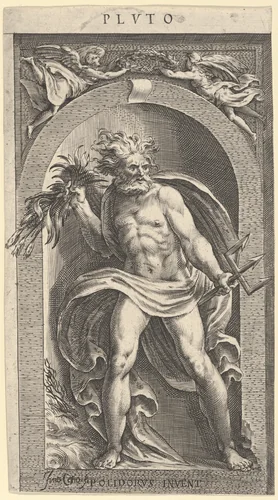
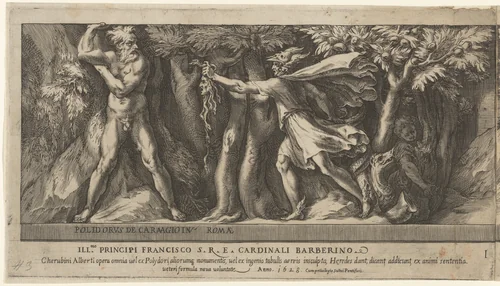
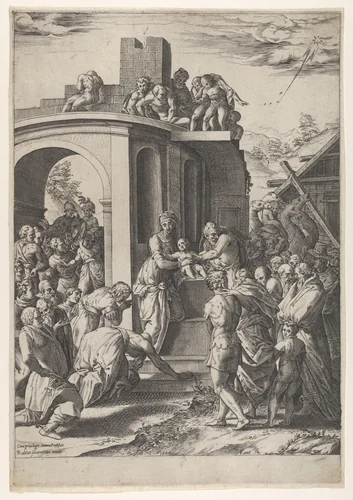
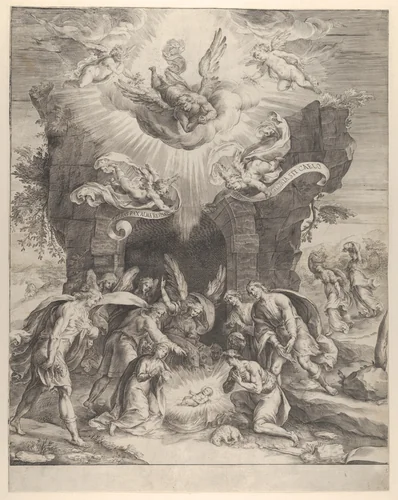
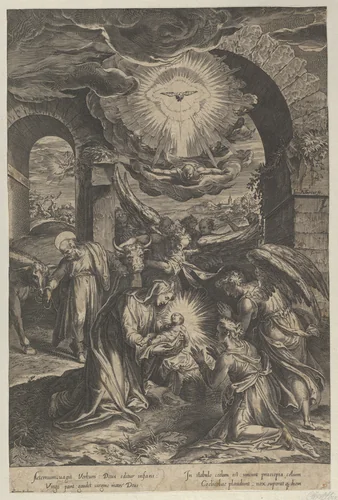
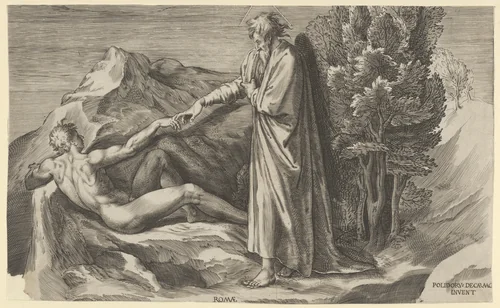
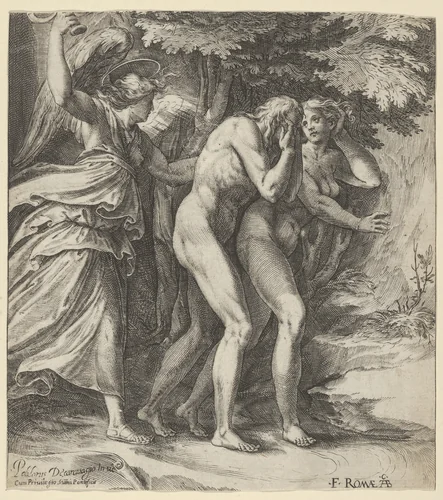
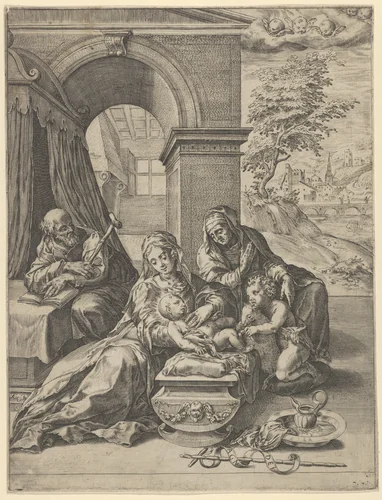
As an engraver, Alberti was prolific, often reproducing works by Raphael, Polidoro da Caravaggio, and other major figures, thus serving a crucial role in disseminating the ideals and compositions of the High Renaissance across Europe. His ability to translate complex painted works into accessible, linear forms cemented his reputation among collectors and fellow artists. Today, many of these influential Cherubino Alberti prints and drawings are held in prominent institutions, including the National Gallery of Art and the Metropolitan Museum of Art. Because of their long history and widespread circulation, much of this graphic material is considered public domain, allowing scholars and enthusiasts to study these museum-quality works in detail.
Source: Wikipedia · CC BY-SA 4.0