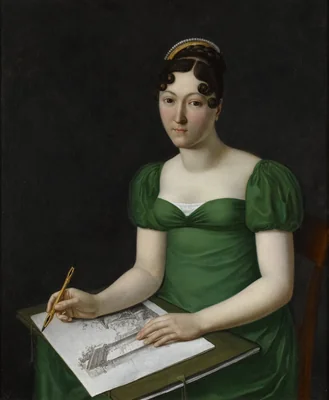
Charlotte Bonaparte
Charlotte Napoléone Bonaparte (1802-1839) occupies a unique intersection in 19th-century art history, bridging the high politics of the Napoleonic dynasty with the emergent field of American landscape visualization. The daughter of Joseph Bonaparte, the former King of Spain and elder brother of Emperor Napoleon I, Charlotte was raised in the complicated nexus of European royalty and subsequent exile. Following the Bourbon restoration, her family relocated to North America, settling in New Jersey, where her father maintained a vast estate.
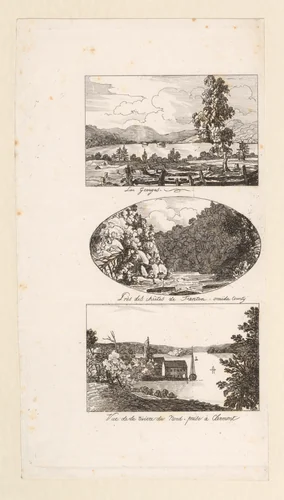
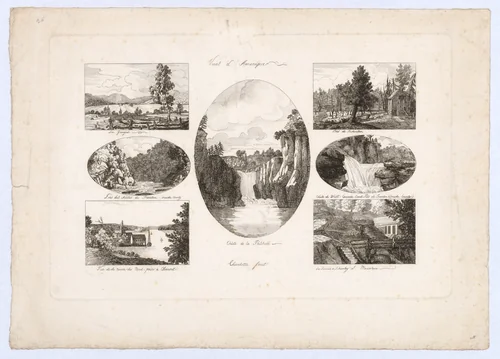
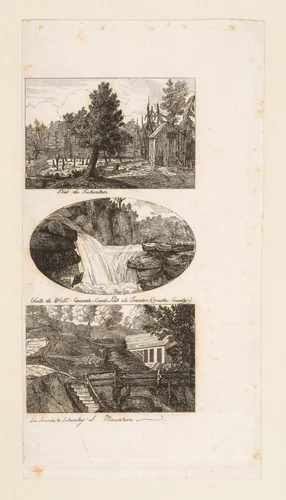
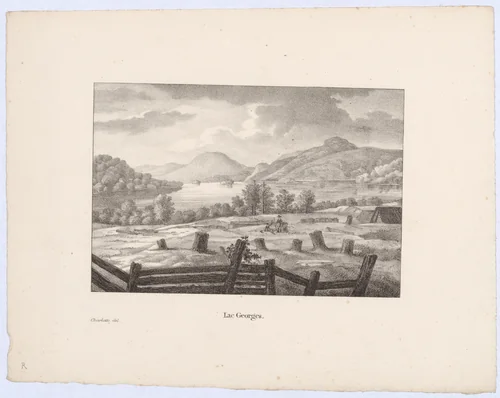
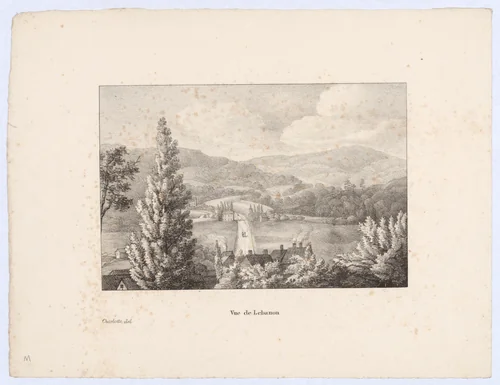
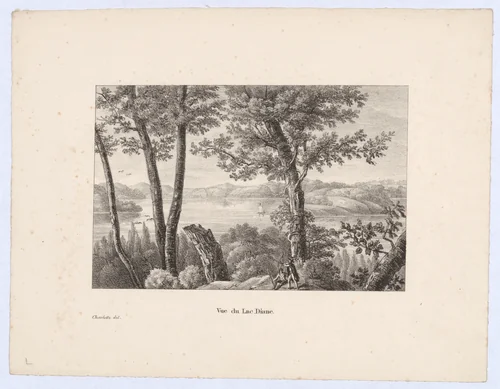
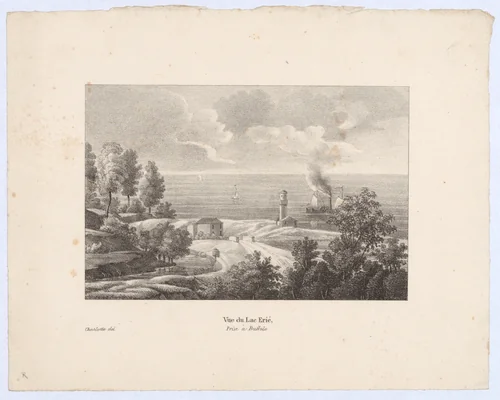
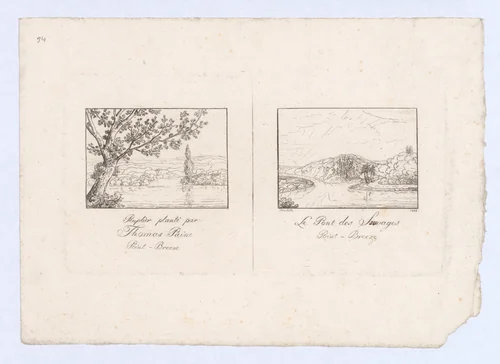
It was during the brief but intense period spanning 1821 to 1826 that Bonaparte was active as a visual artist. Her existing oeuvre consists of a concise, critically important body of 12 known prints, meticulously documenting the dramatic scenery of the Eastern United States. These works, often compiled under the title Vues d'Amerique, provide valuable topographical and artistic records for a newly explored continent.
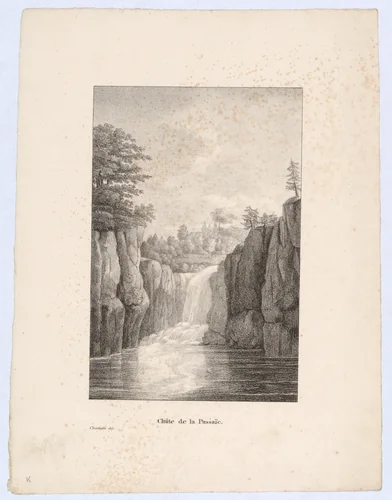
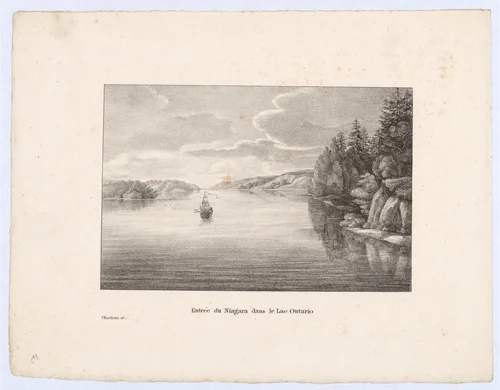
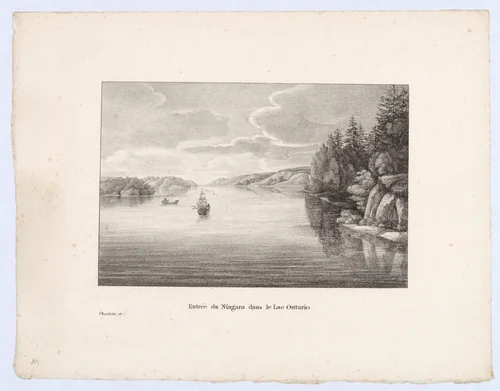
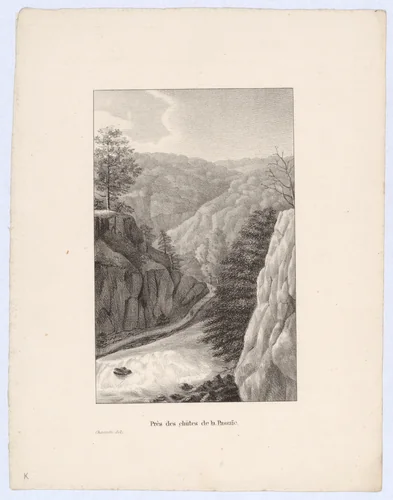
Specific titles, such as the ambitious Entrée du Niagara dans le Lac Ontario, and the series depicting the environs of New York and New Jersey, like Près des chûtes de Trenton, Oneida County and Chûte de la Passaïc, demonstrate her keen eye for geological structure and romantic composition. Unlike many artists working in the European tradition, Bonaparte focused almost exclusively on the raw, powerful energy of natural phenomena, particularly waterfalls and dramatic geographical markers. Her technical skill, evident in the detailed draftsmanship, confirms her position as a serious producer of art, rather than a mere society amateur.
While often viewed through the lens of her lineage, Bonaparte's work stands on its own as a significant contribution to early American printmaking. A selection of these rare, museum-quality prints are held in major institutions, including the Metropolitan Museum of Art. It is perhaps characteristic of her dual identity that the American vistas she captured so faithfully bore French titles, underscoring the continental gaze through which she viewed her temporary homeland. The scarcity of the original prints ensures that the historical records she created remain prized documents today. Fortunately, many of these images are now available in the public domain, and researchers can study the intricate details of her compositions through downloadable artwork and high-quality prints.
Source: Wikipedia · CC BY-SA 4.0