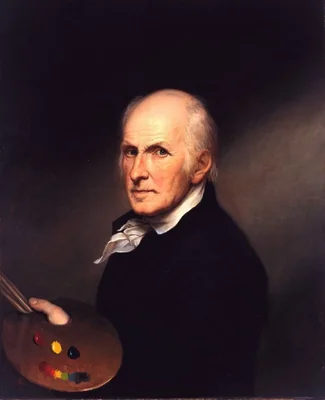
Charles Willson Peale
Charles Willson Peale (1741-1827) stands as a foundational figure in American art and culture, a genuine polymath whose influence extended far beyond the canvas. A man of the American Enlightenment, Peale was simultaneously an accomplished painter, a military officer during the Revolutionary War, a pioneering scientist, and a naturalist who championed institutionalized learning.
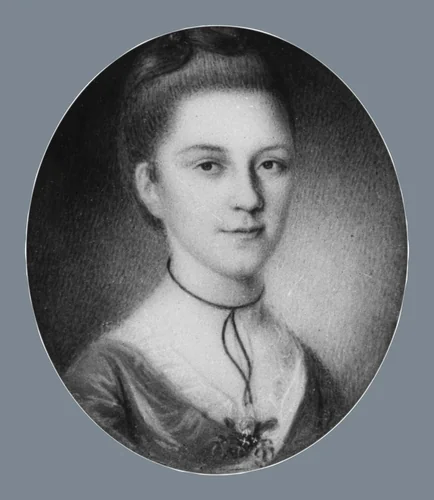
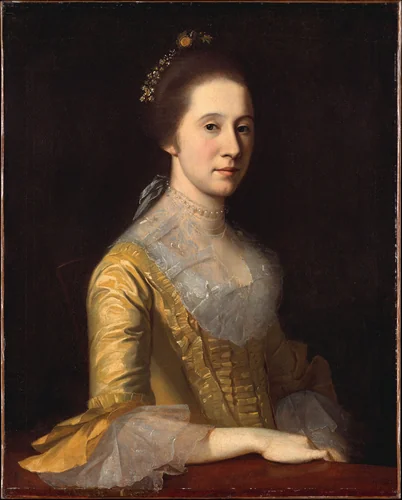
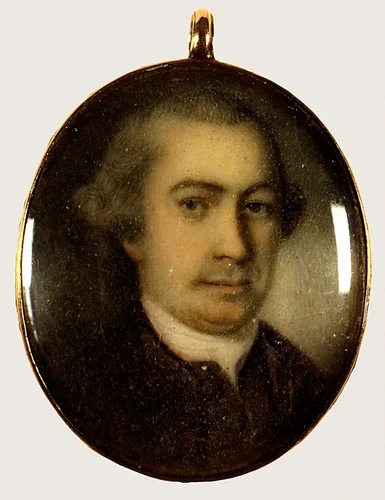
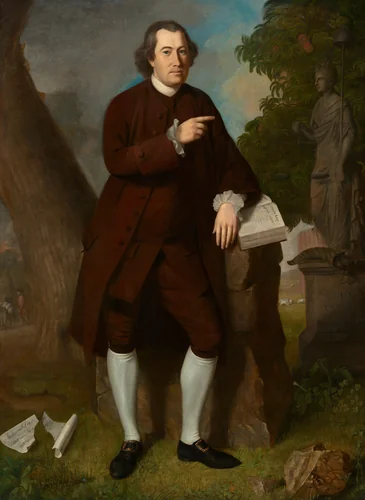
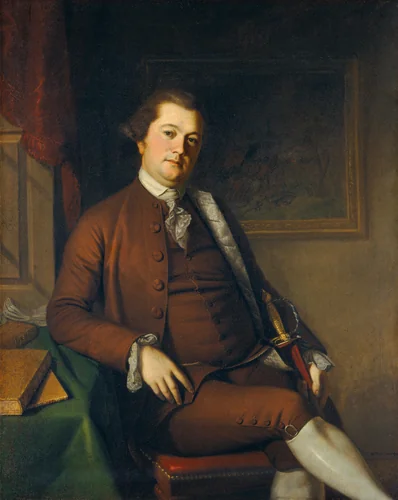
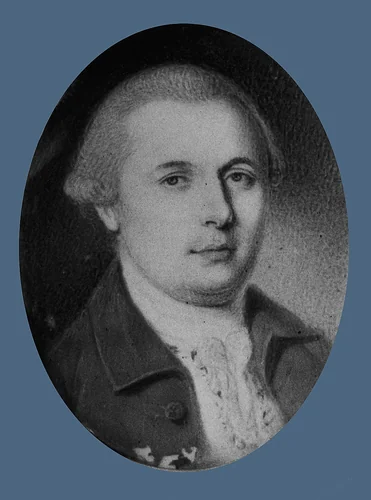
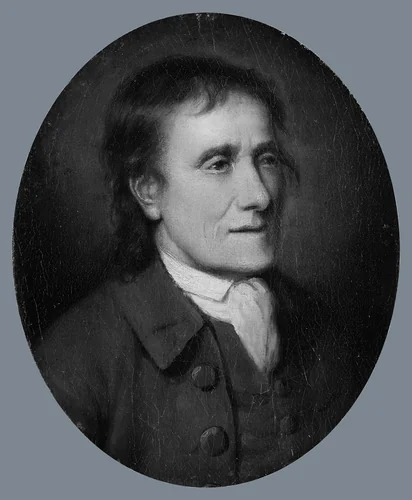
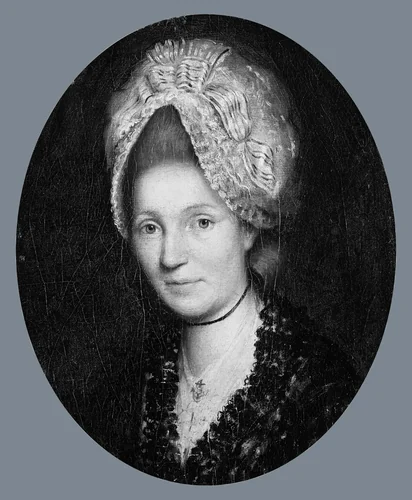
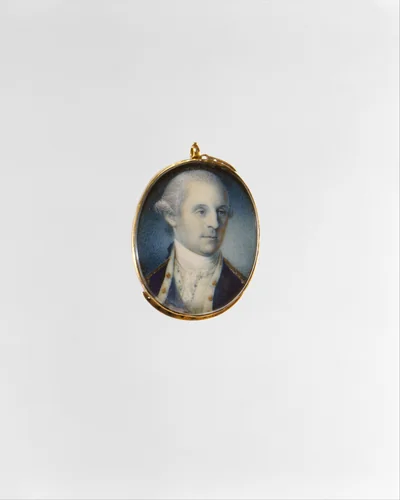
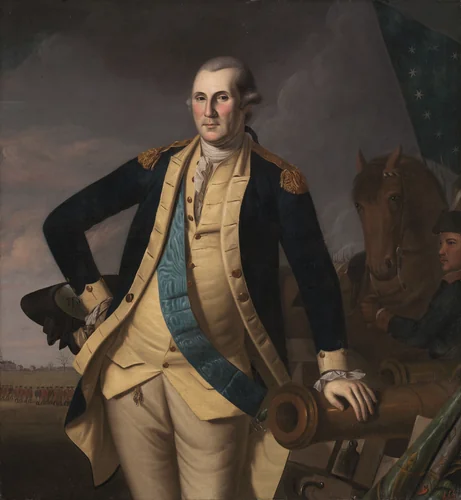
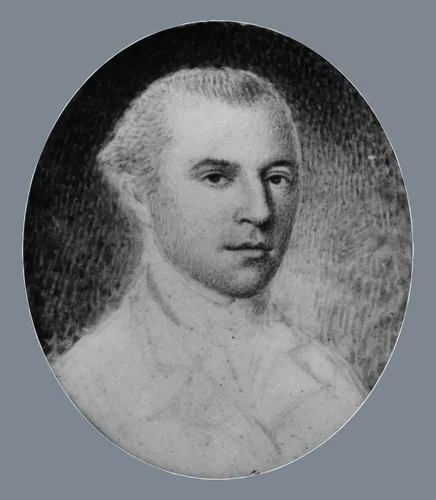
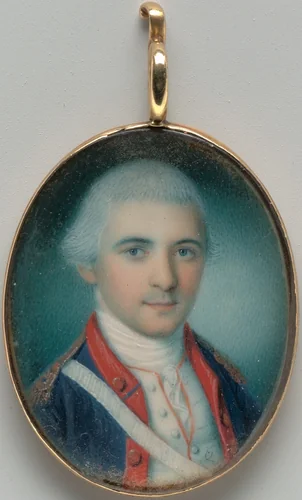
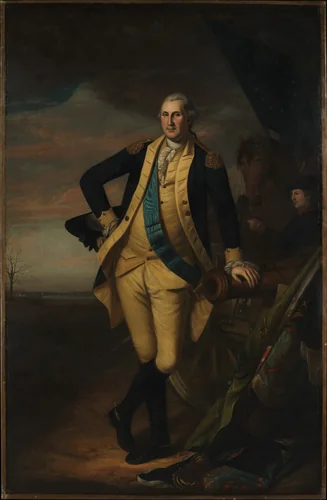
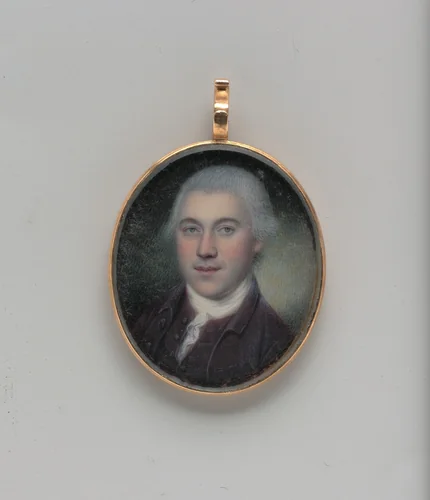
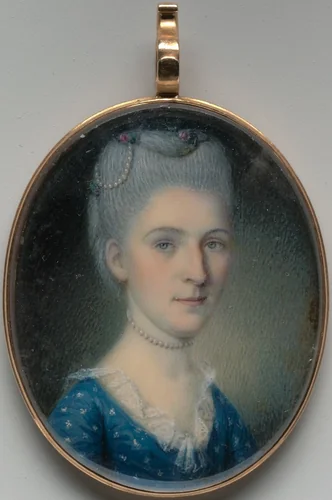
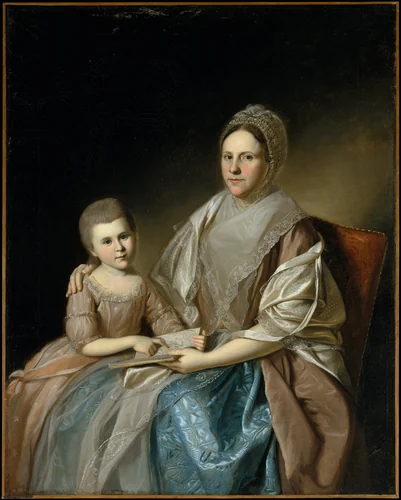
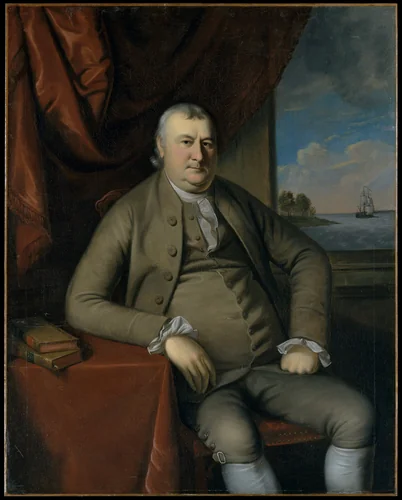
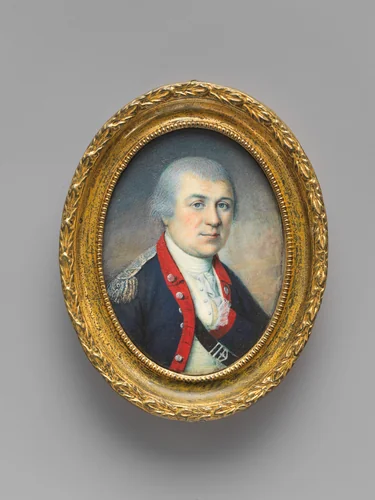
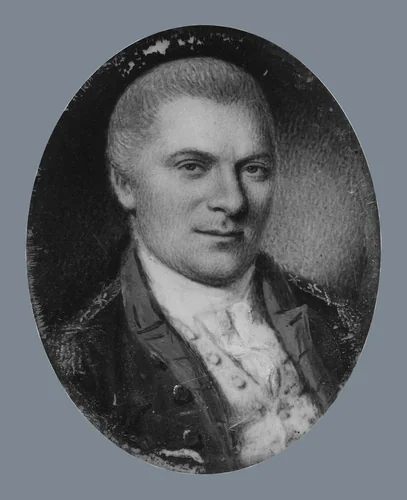
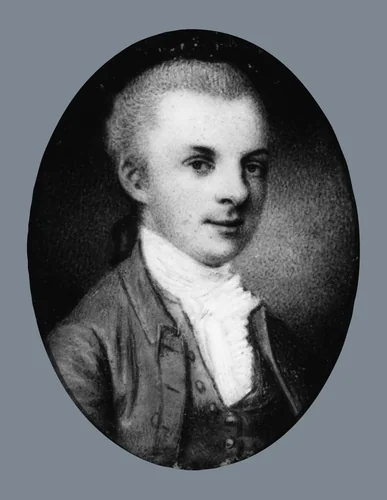
Active intensely between 1767 and 1776, the period represented by works such as Margaret Strachan (Mrs. Thomas Harwood) and the compelling early portraits of John Beale Bordley, Peale established the visual lexicon for the nascent nation. Having trained initially in London under the influential expatriate Benjamin West, Peale returned to the American colonies equipped with the technical polish necessary for sophisticated portraiture. His work from this era captures the emerging American gentry and intelligentsia with crisp realism and dignity, focusing on the character and integrity of the sitter. He possessed a remarkable ability to infuse his subjects, whether the refined Mrs. Michael Taney (Monica Brooke) or the military figure John Philip de Haas, with both personal vitality and republican gravity.
Peale’s innovative approach helped define the public image of the Revolutionary generation; indeed, few artists played a more direct role in visually documenting the leaders of the new republic. However, Peale’s commitment to education and science proved equally defining. He essentially founded an art dynasty, famously naming his seventeen children after great artists and scientists—a singular dedication to cultural and scientific literacy few have matched.
Furthermore, his establishment of the Peale Museum in Philadelphia pioneered the concept of the public educational institution in America, successfully mingling fine art with natural history displays. His dedication to accuracy, whether depicting an esteemed statesman or a mastodon skeleton, underscores the Enlightenment belief in accessible knowledge. Many of these important Charles Willson Peale paintings are now permanently housed in major collections, including the Metropolitan Museum of Art and the National Gallery of Art, ensuring their lasting impact. Today, those seeking educational resources can find many Charles Willson Peale prints available for study as high-quality prints derived from these museum collections.
Source: Wikipedia · CC BY-SA 4.0