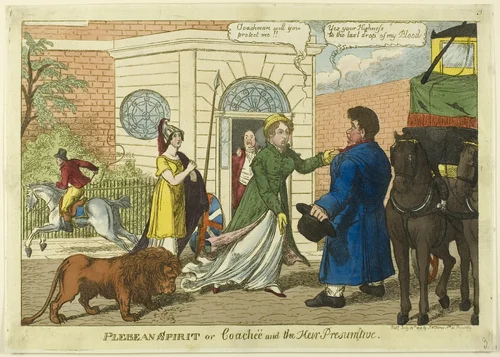
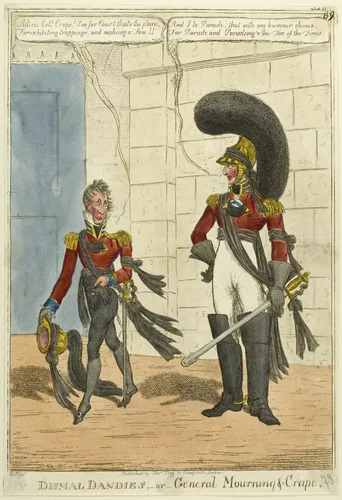
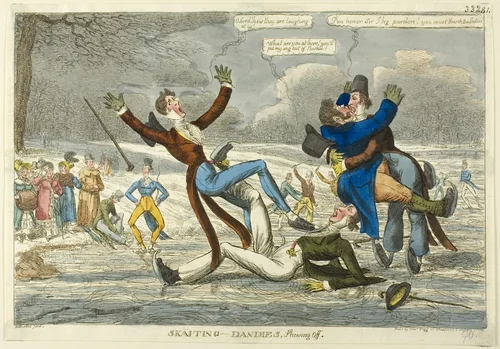
Charles Williams
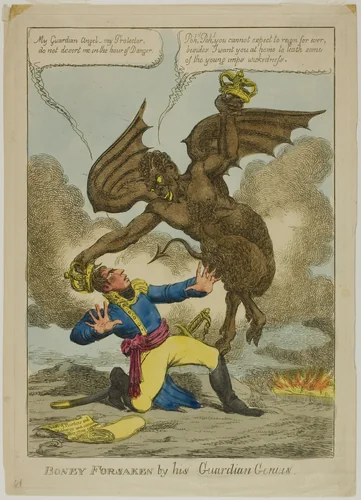
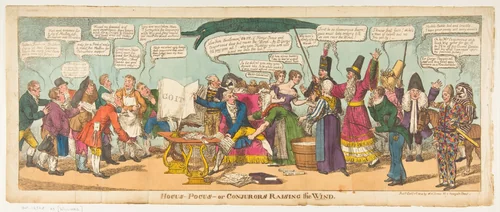
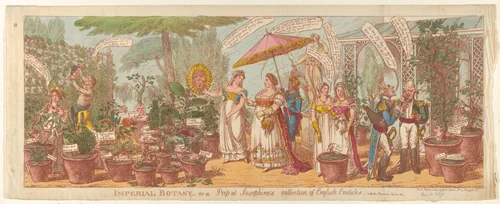
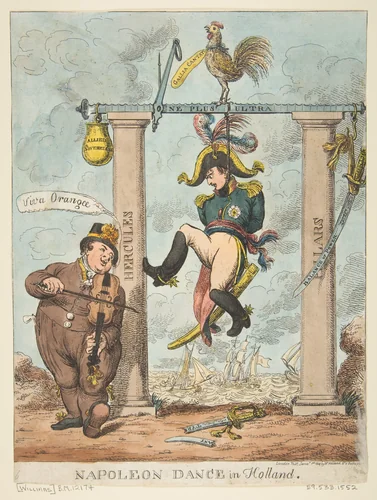
Charles Williams, a highly active British printmaker specializing in etched caricature and social satire, flourished during the transitional period spanning 1796 to 1805. Though his documented output is relatively concise, comprising approximately fifteen known works, the enduring museum-quality of his output is confirmed by its sustained inclusion in major American collections, notably the Metropolitan Museum of Art and the Art Institute of Chicago. Williams’s decade of activity coincided with a heightened public appetite for graphic commentary on politics, fashion, and social mores.
Williams specialized in etched and engraved works that captured the fleeting vanities and political absurdities of late Georgian London. His satirical method was direct and often irreverent, designed to be immediately recognizable by the contemporary viewer. The pieces demonstrate a keen eye for societal fractures, exemplified by titles such as Scandal Refuted or Billingsgate Virtue and Doctors Differ, etc. These works highlight the tensions between refinement and vulgarity, reflecting the stratified nature of British society at the turn of the century. Interestingly, records indicate a slight confusion surrounding the printmaker’s precise preferred moniker, occasionally listing him as 'Charley' or 'Chuck,' suggesting a personality perhaps as varied and elusive as the subjects he skewered.
The artist was particularly adept at dissecting the dynamics of formal and informal gatherings, providing enduring records of domestic and public behavior. The Family Party offers a sharp domestic vignette, while The Funeral of the Party possibly serves as a metaphorical closure to the era's excesses. Perhaps most illustrative of his sharp focus on aesthetic absurdity is The Supreme Bon Ton, No. 3, a work dedicated to mocking the extreme fashions deemed necessary for acceptance in high society circles.
The surviving body of work by Williams is significant not just for its historical context, but also for its current accessibility. These historical Charles Williams prints remain critical documents of graphic satire. A substantial number of these images are now in the public domain, allowing institutions and researchers worldwide to access high-quality prints for study, exhibition purposes, and reproduction. Operating just before the great surge of early nineteenth-century graphic arts, Williams solidified his position as a crucial documentarian of his age, preserving moments of satire that resonate far beyond his brief decade of activity.
Source: Wikipedia · CC BY-SA 4.0
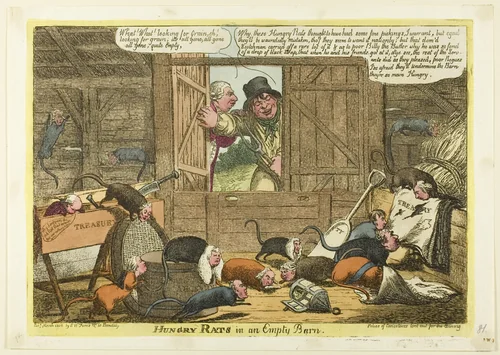
![A Paradice [sic] for Fools–A Nocturnal Trip–or–The Disciple of Johanna benighted–vided Scourge No. XXXVI, page 510 by Charles Williams, print, 1814](https://img.artbee.org/82400b9d-3915-4efa-9d6c-af4478935687/small.webp)