Charles William Sherborn
Charles William Sherborn (1841-1895) holds a definitive place in the history of Victorian graphic arts. An English engraver dedicated almost exclusively to the medium, he is widely credited with spearheading the decisive revival of copper-engraved bookplates in the latter half of the nineteenth century. This focused mastery earned him the moniker "the Victorian little master," positioning his detailed, precise work alongside earlier European masters of the burin.
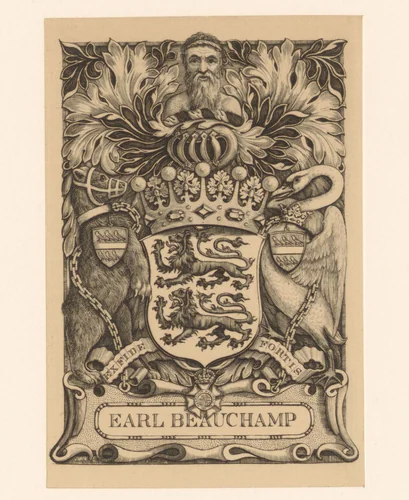
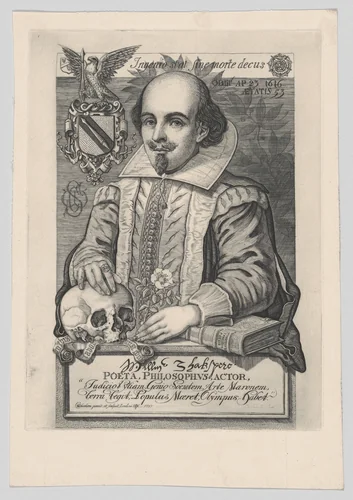
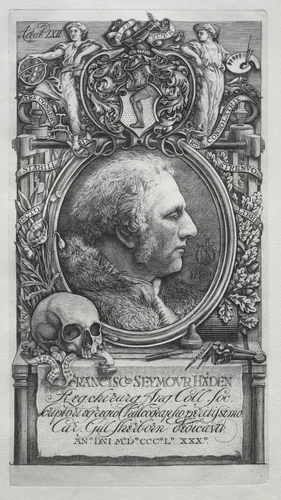
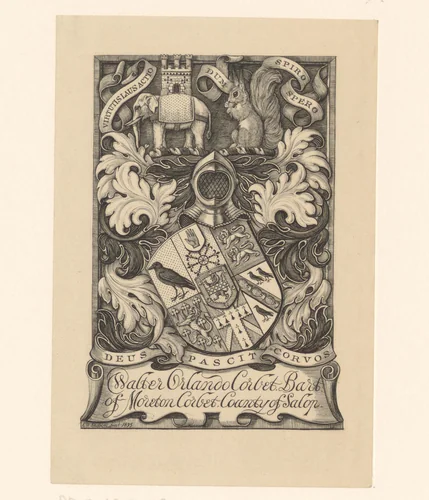
Sherborn’s oeuvre, spanning five prolific decades, centered primarily on the creation of ex libris (bookplates). These miniature graphic compositions, many of which are now recognized as museum-quality examples of the engraver’s art, transformed utilitarian labels into sophisticated personal statements. His technique was characterized by fastidious attention to heraldic detail and sophisticated use of line work, often incorporating allegorical or architectural elements demanded by his discerning clientele, which included important collectors such as Earl Beauchamp. Unlike the commercially dominant lithography and wood engraving of the era, Sherborn championed the challenging, precise art of pure copperplate, valuing its permanence and crisp resolution.
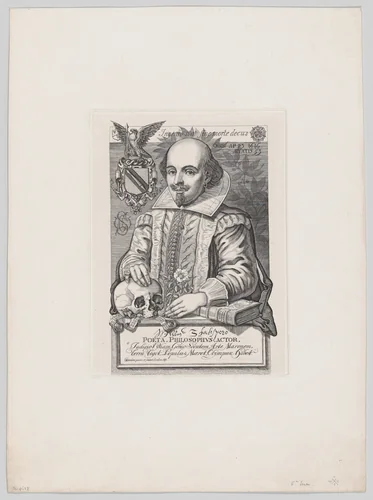
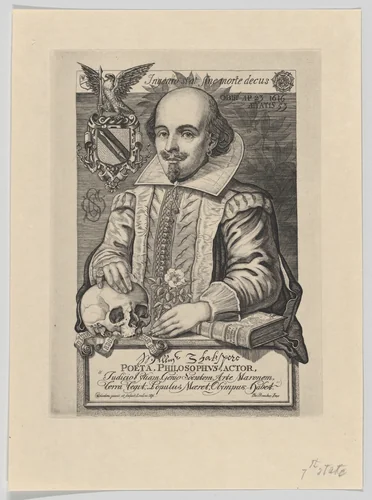
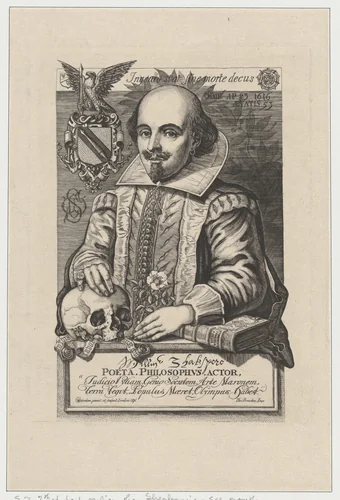
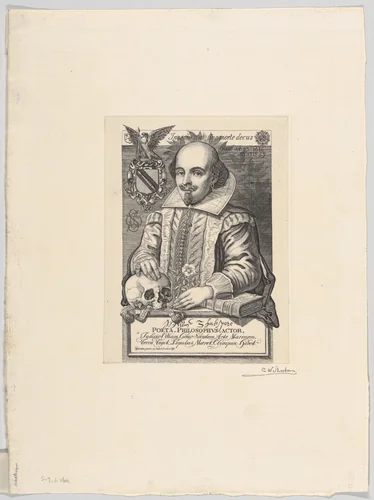
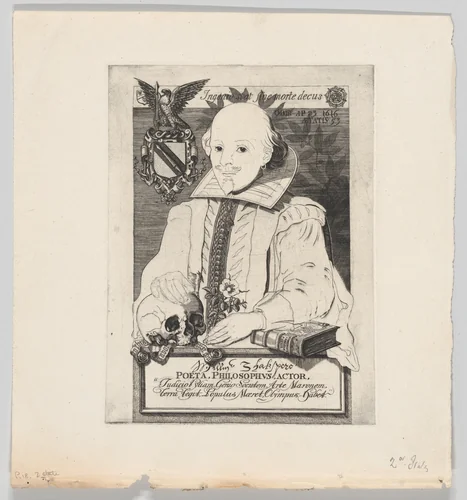
It is perhaps one of the great ironies of the art world that an artist whose primary function was to identify the ownership of books is now universally collected for the inherent artistry of the identification itself. Sherborn’s dedicated commitment to this specialized niche ensured that while he avoided the broader public stage, his influence among graphic artists and bibliophiles was profound. He meticulously developed recurring subjects, such as his several detailed renderings of William Shakespeare, tailored to specific patrons. Institutional recognition followed quickly; examples of Charles William Sherborn prints are held in prestigious collections globally, including the Rijksmuseum, the Metropolitan Museum of Art, and the Cleveland Museum of Art.
Though his active career concluded in 1895, Sherborn's legacy endures through his meticulously crafted images. Because many of his works have entered the public domain, they remain easily accessible. Today, enthusiasts can view and download high-quality prints derived from his copperplates, ensuring his critical contribution to the graphic revival remains well-documented for future generations.
Source: Wikipedia · CC BY-SA 4.0