Charles Verlat
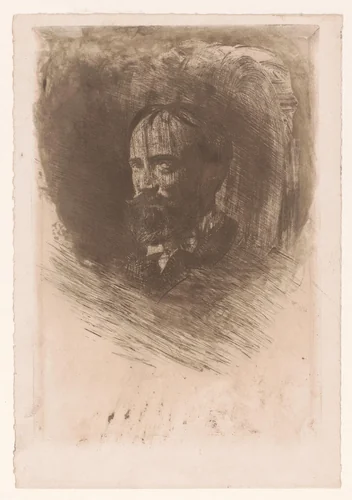
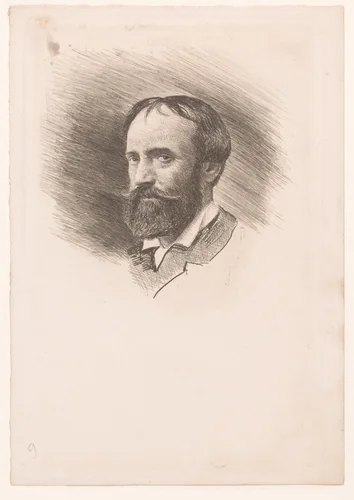
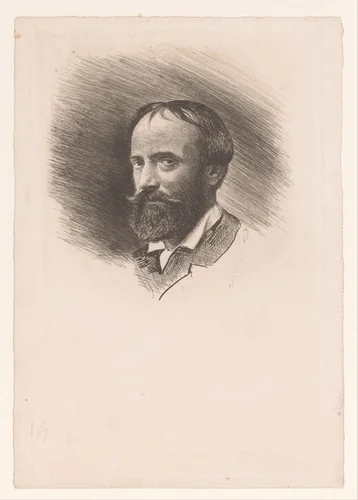
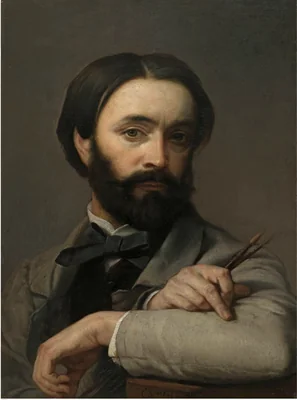
Charles Verlat (Karel Verlat, 1824-1890) stands as a foundational figure in 19th-century Belgian visual culture, recognized equally for his prodigious output as a painter, watercolorist, and engraver, and for his significant administrative influence as director of the prestigious Antwerp Academy. His career, spanning nearly five decades, demonstrates a remarkable versatility rare among his contemporaries, establishing him as a crucial link between the academic tradition and emerging realism.
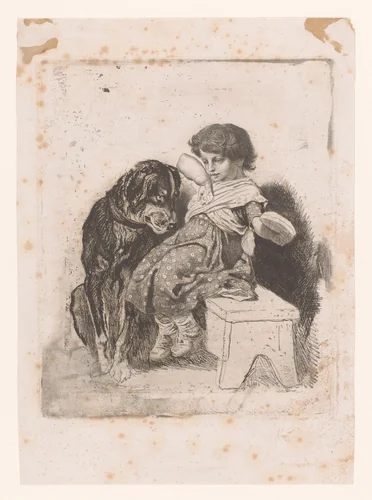
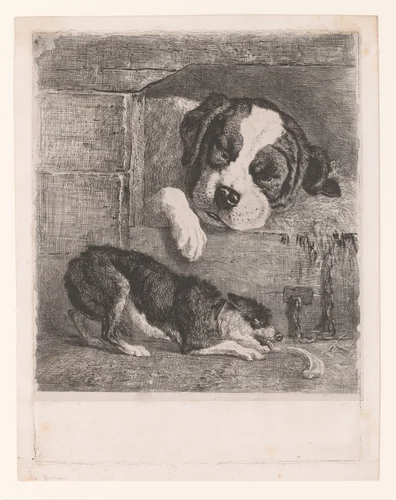
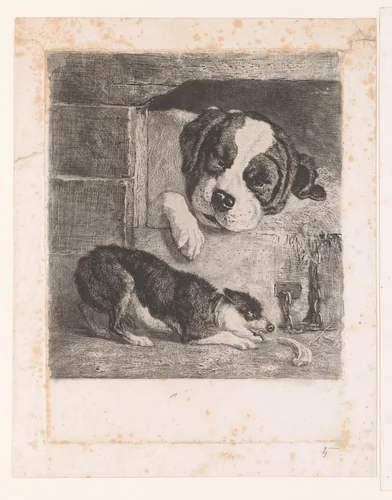
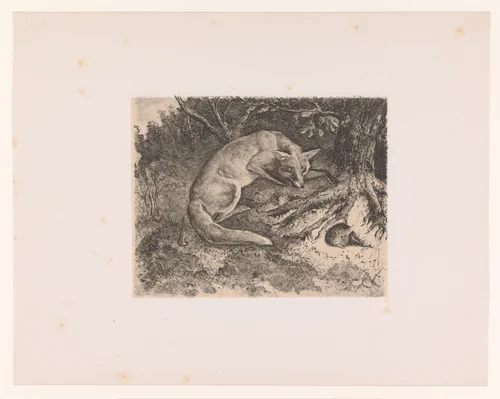
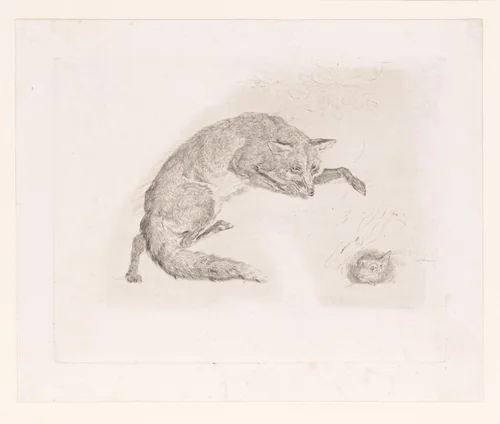
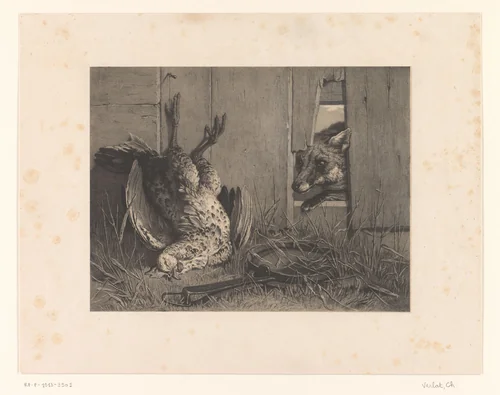
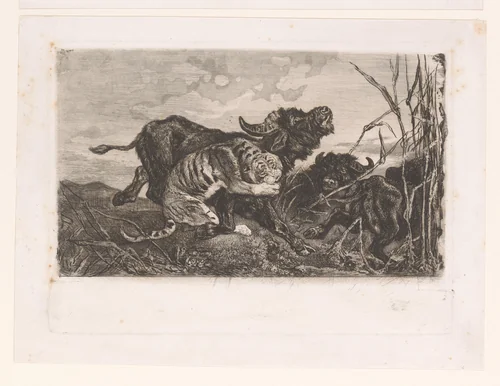
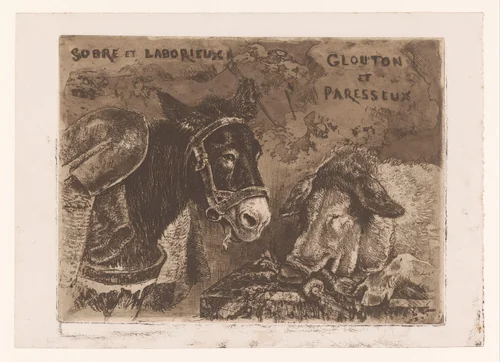
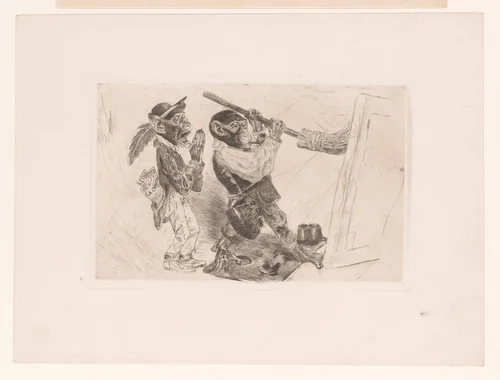
Verlat’s primary reputation rested on his formidable skill as an animalier, or animal painter, and as a sought-after portraitist. His aptitude for capturing the individual character and dynamic movement of creatures is vividly evident in his compositions, including the detailed studies reflected in etchings such as Twee honden and the more tender genre scene, Meisje met hond die naar haar boterham kijkt. This specialization anchored him squarely within a highly respected European tradition of precision draughtsmanship. Yet, his artistic curiosity extended far beyond these established genres. He created robust genre scenes, complex religious compositions, and meticulous still lifes, alongside engaging Orientalist works likely inspired by his travels. Notably, he possessed a delightful, subtle wit, manifest in his often playful employment of the singerie trope, wherein monkeys are depicted mimicking the often absurd actions of human society.
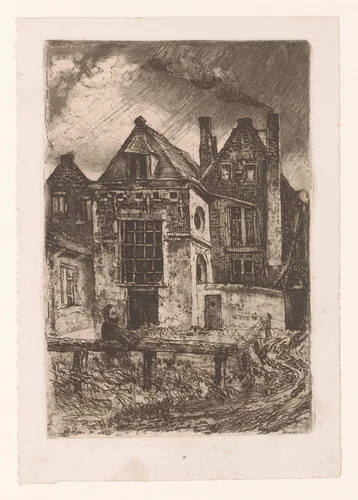
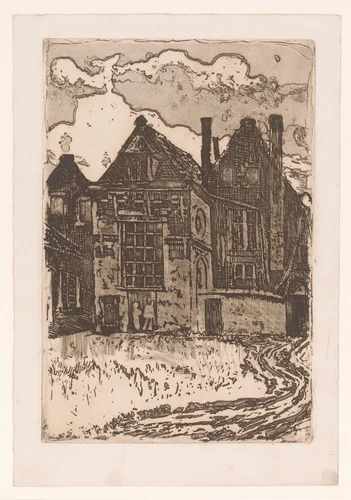
As an engraver and printmaker, Verlat facilitated the wide dissemination of his imagery, an essential component for artists seeking renown in the mid-19th century. Today, much of his original graphic work, housed in collections such as the Rijksmuseum, is available as high-quality prints. The enduring appeal of his detailed realism and academic technique means that the majority of his downloadable artwork is now widely accessible in the public domain.
Verlat operated during a critical period of upheaval in European art, and he maintained a strict adherence to academic standards, serving as a powerful institutional force during the ascendance of less structured styles like Impressionism. This steadfast commitment to technical excellence, paired with a surprisingly broad and often humorous subject matter, ensures that these Charles Verlat prints and paintings remain a compelling record of 19th-century Belgian mastery.
Source: Wikipedia · CC BY-SA 4.0