Charles Squires
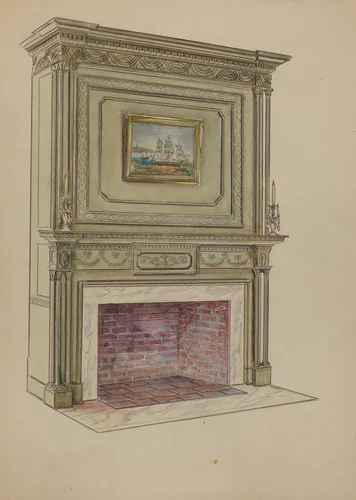
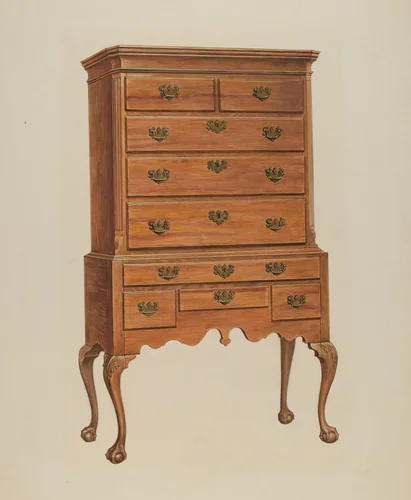
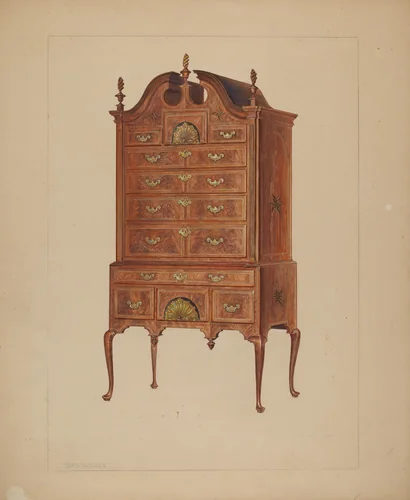
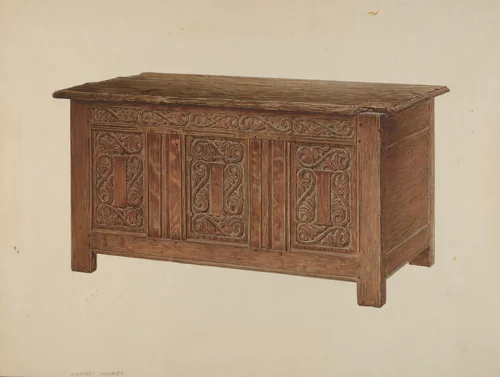
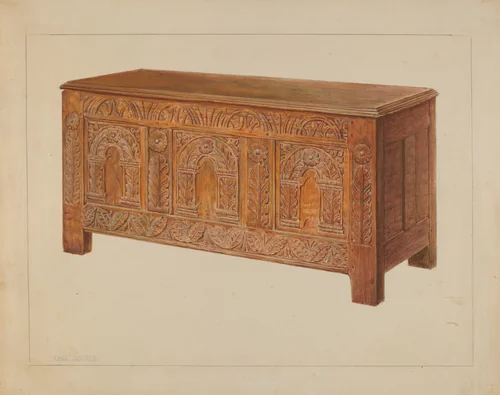
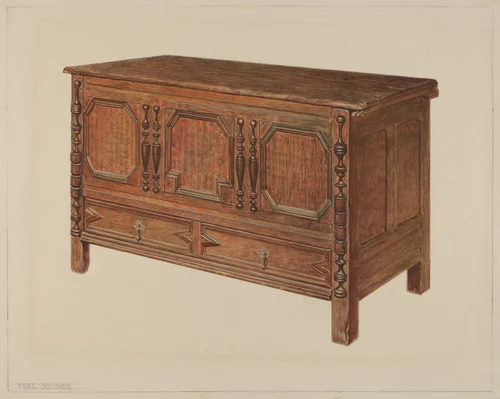
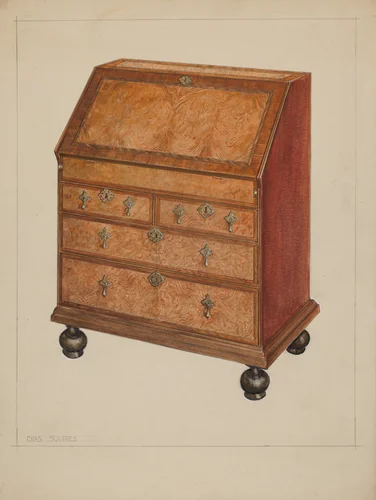
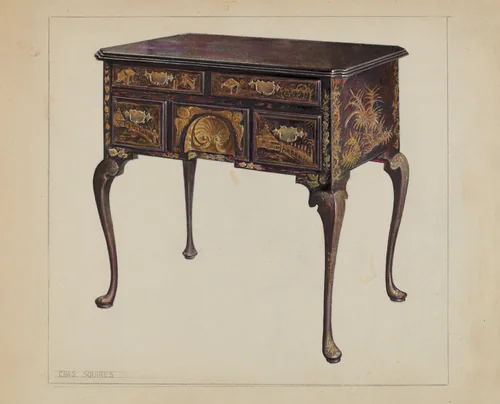
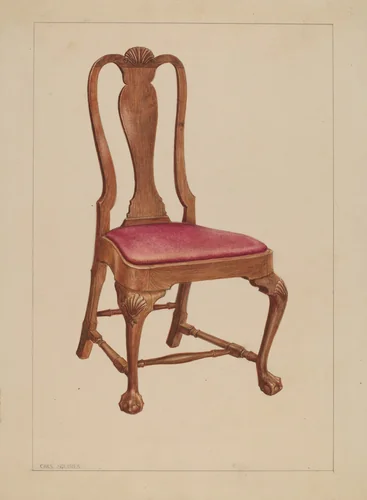
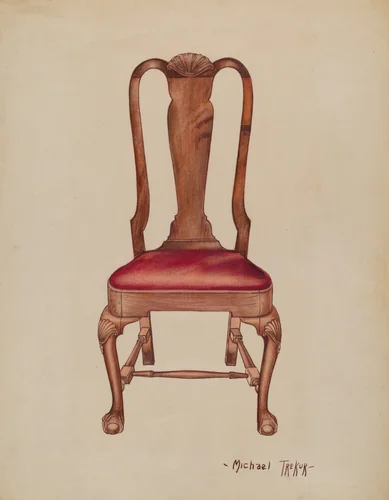
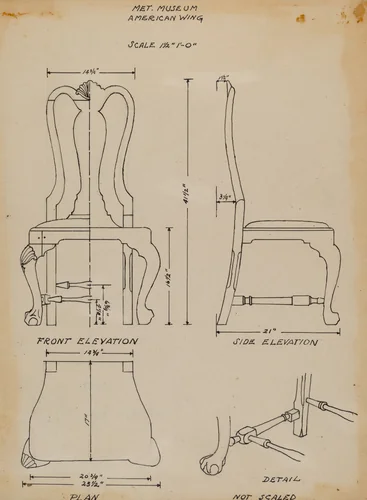
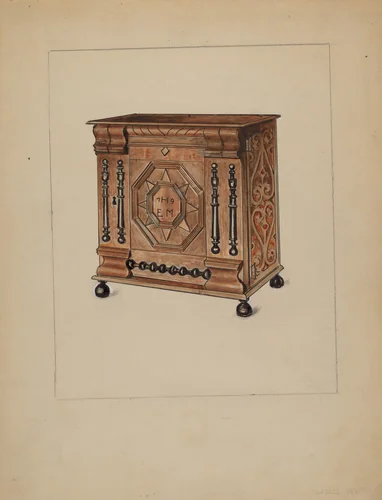
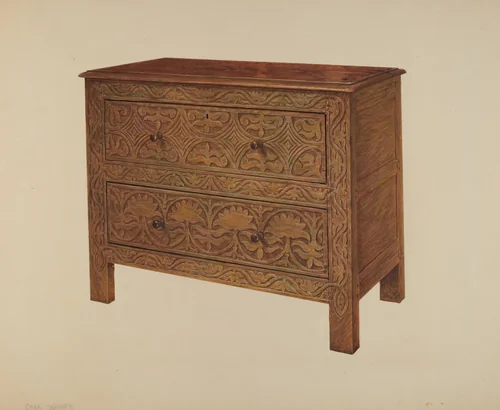
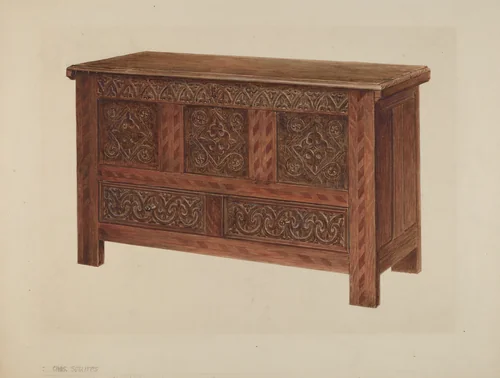
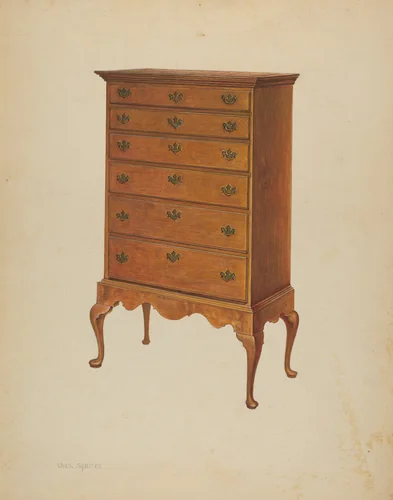
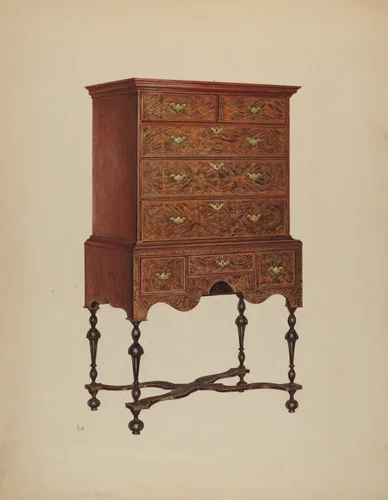
Charles Squires is recognized for his precise and significant contributions to the Index of American Design (IAD), a landmark visual preservation initiative established during the Great Depression under the Works Progress Administration (WPA). Active between 1935 and 1937, Squires was responsible for executing at least fifteen meticulously detailed plates, documenting the breadth and quality of early American decorative arts and craftsmanship.
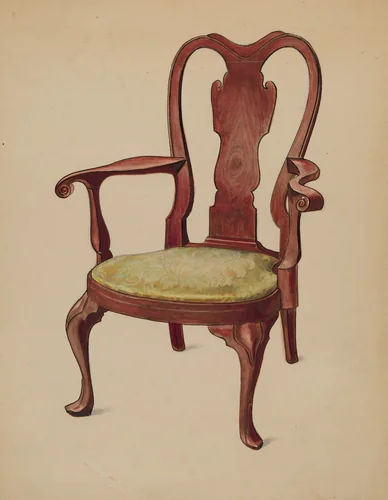
The IAD project demanded museum-quality rendering, utilizing draftsmen and artists to create definitive visual records of objects ranging from domestic furnishings to architectural details. Squires mastered the specific requirements of the index, often employing watercolor and gouache to capture texture, patina, and the structural integrity of artifacts with scholarly accuracy. His work provides essential insight into American material culture during a period when the visual documentation of these vanishing objects was deemed nationally critical.
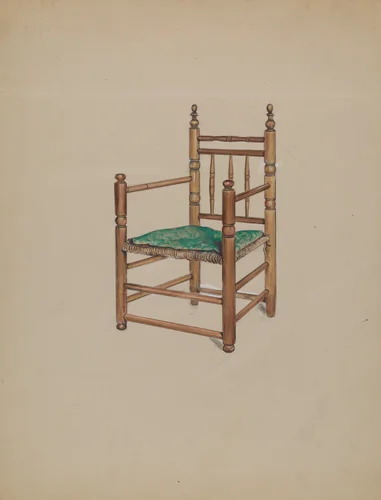
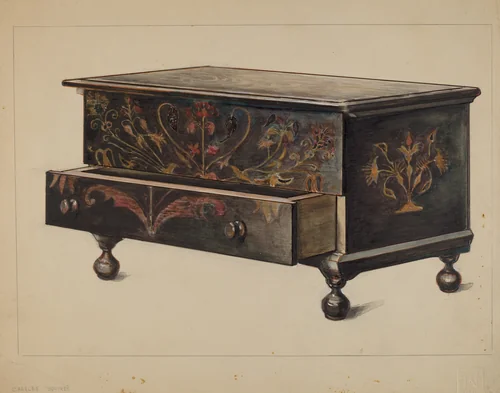
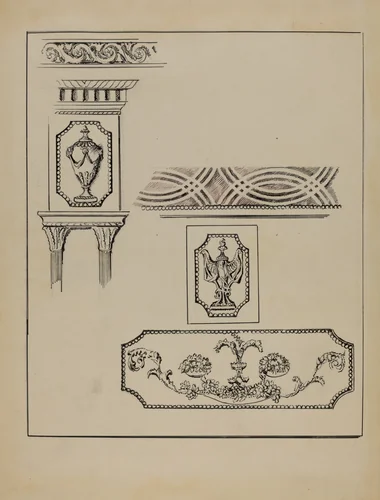
His specific assignments reflect the project’s mission to record functional objects frequently overlooked by traditional fine art historians. Notable plates include the sophisticated study of the Carver Armchair, the detailed rendering of joinery evident in Details of Paneling, and the stately representation of the Connecticut Chest. These works are not simply illustrations; they are comprehensive technical documents that preserve the methods and aesthetics of historic American manufacturing.
While the name “Charles Squires” occasionally invites biographical ambiguity, referencing individuals like the late nineteenth-century architect Charles W. Squires or the Las Vegas businessman Charles Pember Squires, the enduring importance of this artist lies squarely in the technical fidelity of his IAD renderings. It is, perhaps, a fitting irony that an artist dedicated to preserving historical artifacts should himself remain slightly elusive, yet his output provides such clear documentation.
These seminal works now reside in the permanent collection of the National Gallery of Art, forming a crucial component of the extensive IAD archives. Through their integration into the collection, Squires' renderings are now in the public domain, offering royalty-free access to critical documentation that forms the basis for scholarly research and the creation of high-quality prints for educational purposes worldwide.