Charles Sheeler
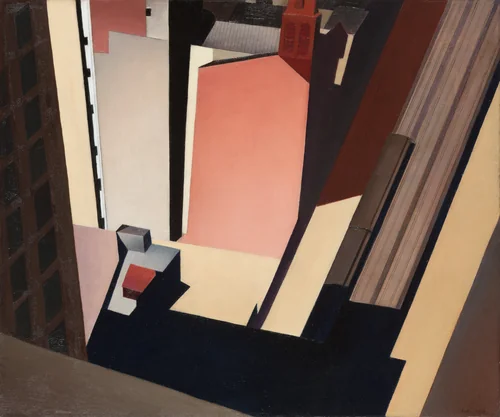
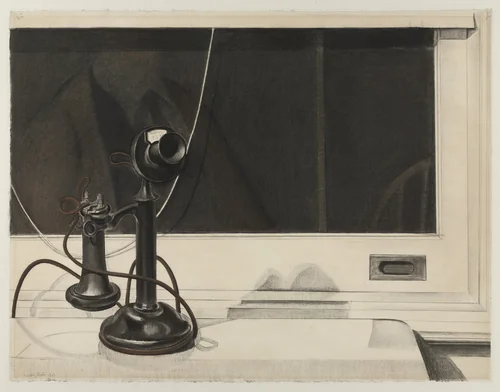
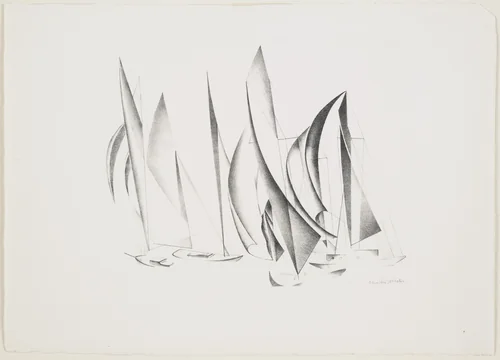
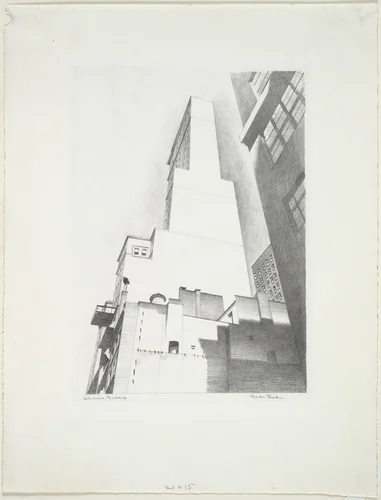
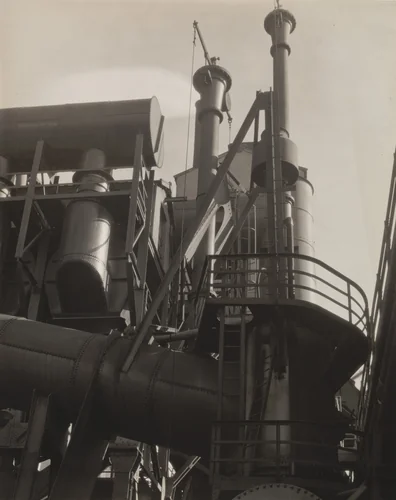
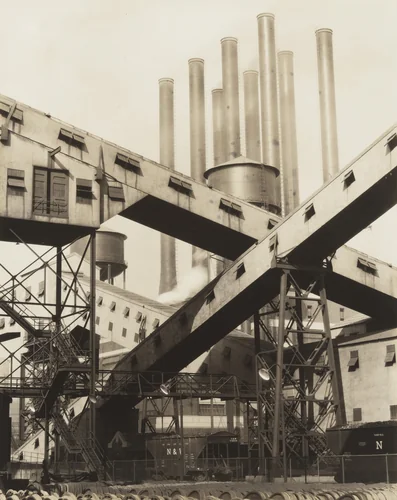
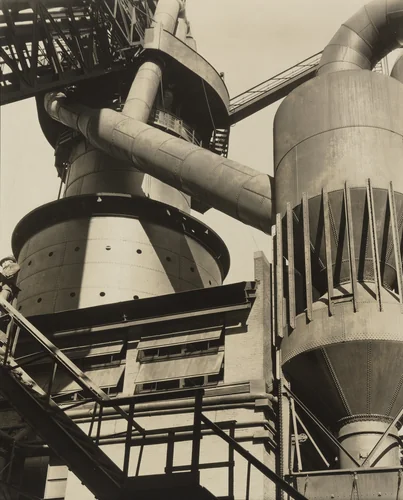
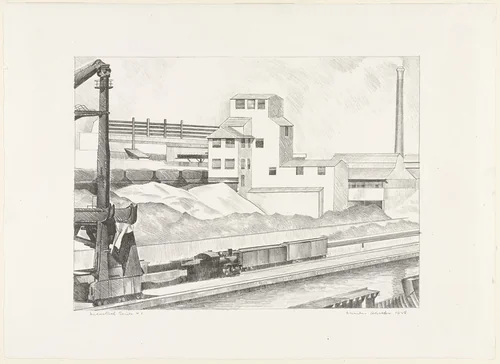
Charles Sheeler was a pivotal American modernist, recognized equally for his rigorous photographic practice and his highly defined Precisionist paintings. He stands as a foundational figure in the early adoption of European modernism within the United States, utilizing clarity and geometric reduction to capture the emerging industrial aesthetic of the early twentieth century.
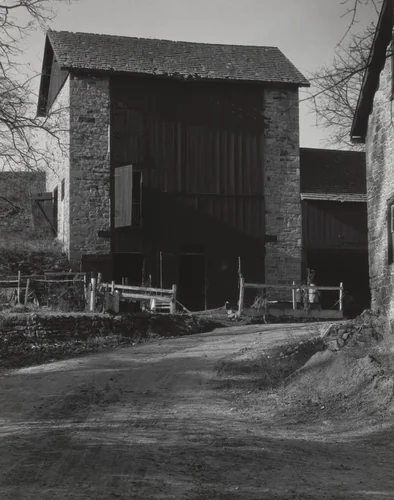
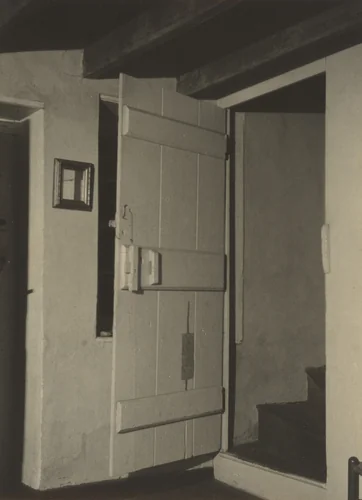
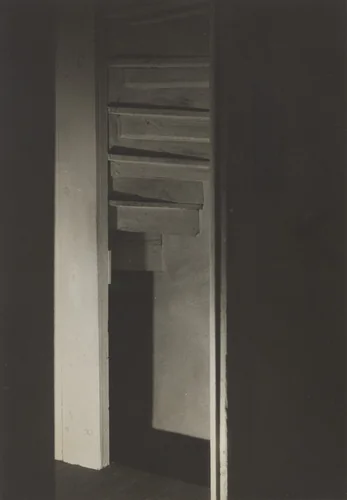
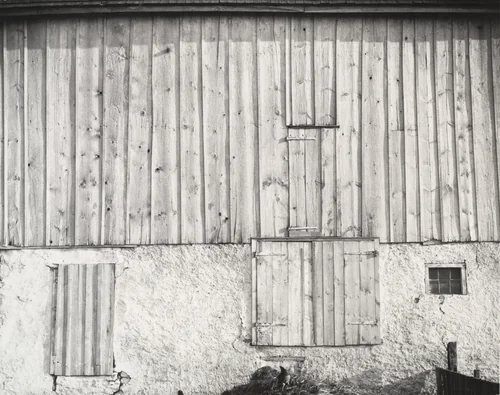
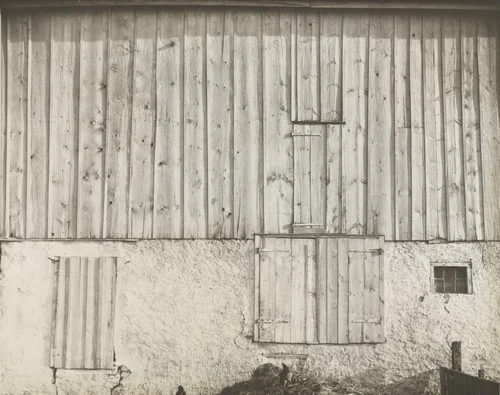
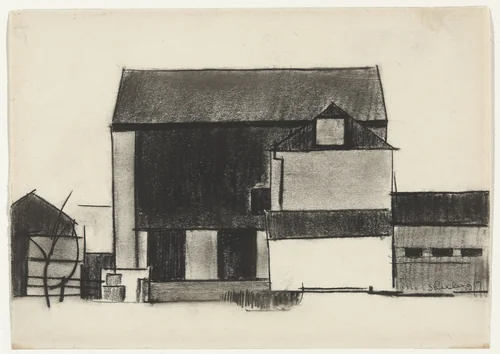
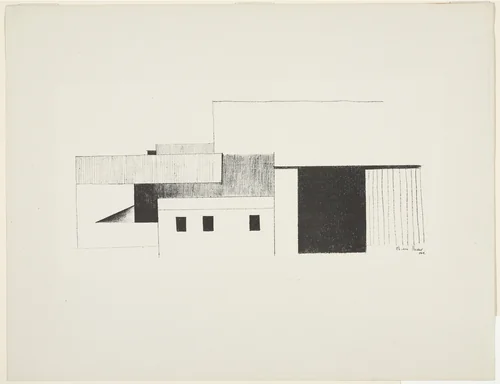
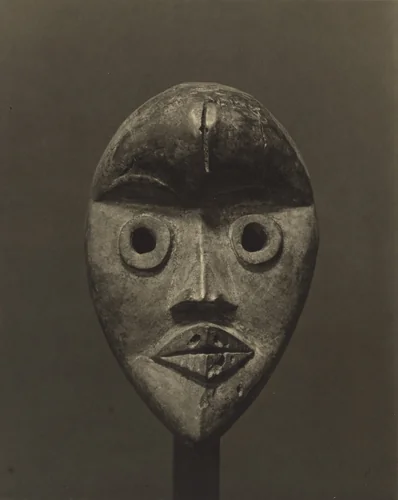
The works dating from 1914 to 1926 demonstrate a profound engagement with vernacular American architecture, exploring the fundamental structures of rural life before focusing on urban and industrial subjects. Studies such as Bucks County Barn, Doylestown House, Stairway, Open Door, and the closely observed Side of White Barn, Bucks County, Pennsylvania illustrate Sheeler’s technical mastery in both drawing and photography. These controlled compositions, characterized by sharp focus and systematic elimination of non-essential detail, reveal an artist seeking the distilled, universal essence of form. His early architectural documentation proved crucial in establishing the visual vocabulary later employed in his celebrated Charles Sheeler paintings.
Sheeler’s modernist exploration was not confined to still images. In 1921, collaborating with photographer Paul Strand, he co-created the seminal avant-garde film Manhatta. This visual poem, documenting the energy and geometry of New York City, is considered one of the earliest examples of cinematic modernism in America. Furthermore, his career included significant commercial photography assignments, demonstrating the ease and professionalism with which he moved between fine art and applied artistic disciplines.
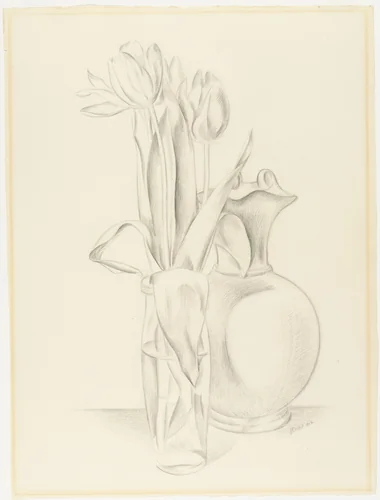
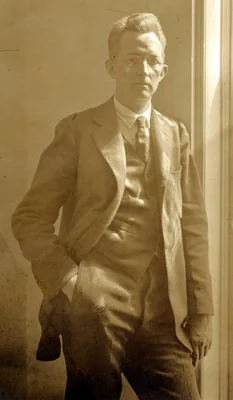
Sheeler’s enduring contribution lies in his unique synthesis of objective vision and formal discipline. Despite the crisp, often industrial detachment evident in his final artworks, Sheeler himself maintained a quiet, almost reserved demeanor, preferring the objective study of light and structure over flamboyant personal expression. His output, ranging from precise drawings and prints to his renowned canvases, established a definitive American vocabulary for the machine age. Today, much of his early photographic and print work resides in the public domain, allowing institutions like the Museum of Modern Art and the Cleveland Museum of Art to make high-quality prints available for scholarly and public enjoyment.
Source: Wikipedia · CC BY-SA 4.0