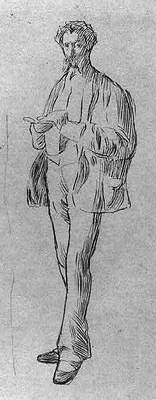
Charles Samuel Keene
Charles Samuel Keene was an influential English artist and illustrator known almost exclusively for his mastery of black and white media. Spanning a key period of transition in graphic arts, roughly 1823 to 1851, Keene’s direct, observational style set a benchmark for sophisticated draftsmanship that profoundly influenced subsequent generations of artists working in print and periodical illustration. His primary output consisted of drawings and prints, many of which captured the domestic life and rapidly changing industrial realities of mid-19th century Britain.
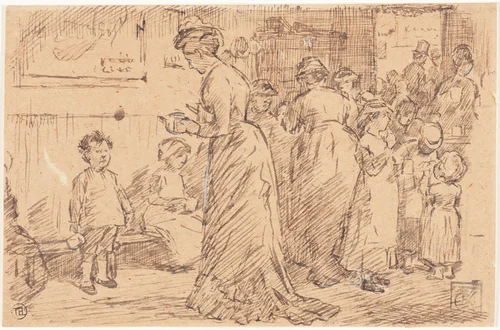
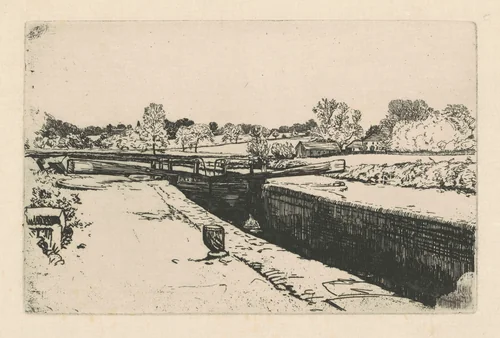
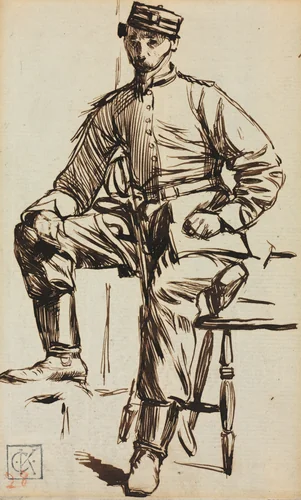
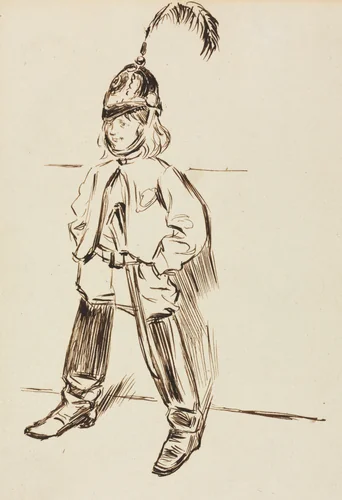
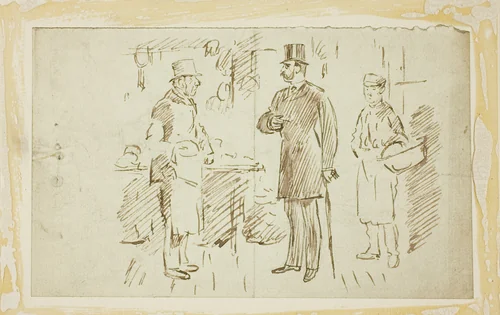
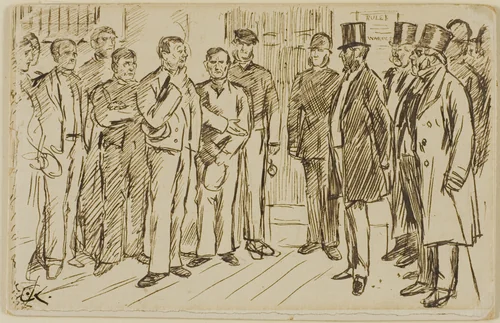
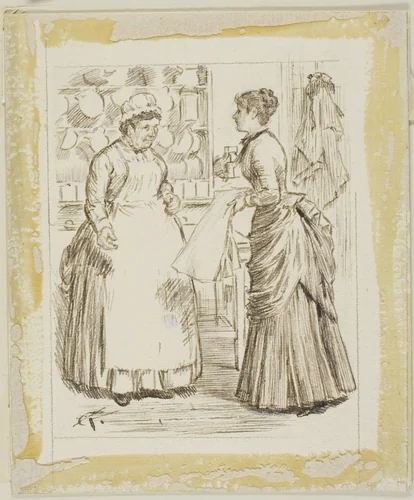
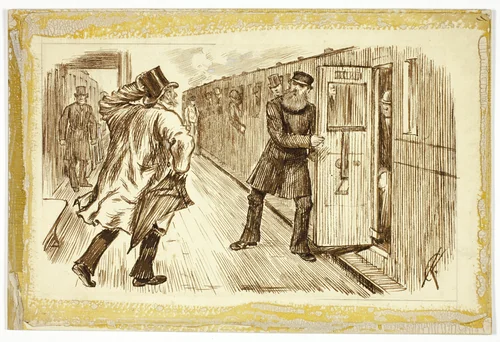
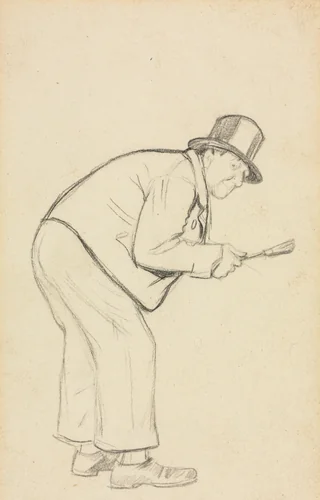
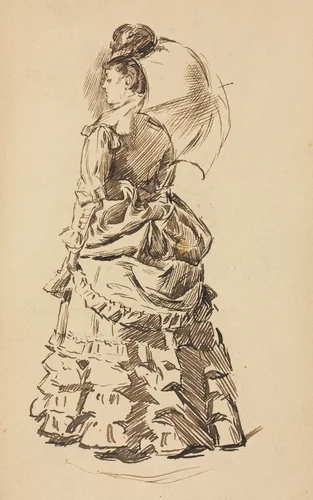
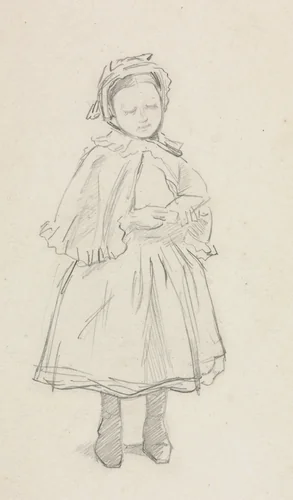
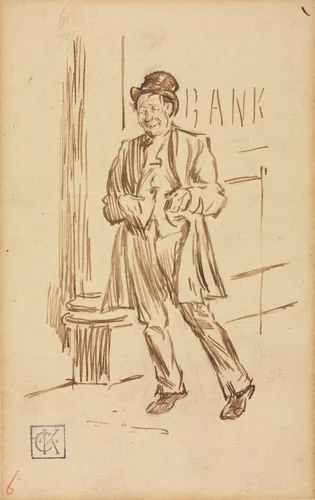
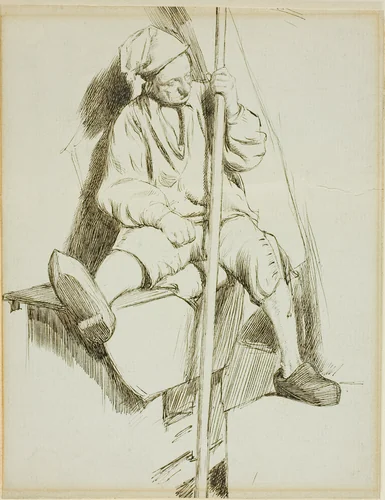
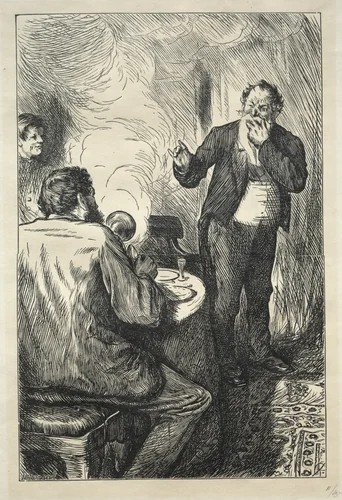
Keene was distinguished by his rigorous dedication to line work and tone, utilizing ink, pen, and graphite to achieve complex textural effects within restricted chromatic boundaries. Unlike contemporaries who might have relied heavily on narrative drama, Keene often elevated the common sketch into a high-quality study of form and character. This is evident in concentrated scenes such as A Station Buffet and the localized topographical observation seen in Lock on the Canal Near Watford. He possessed an uncanny ability to distill the essence of a subject through posture and environment, a skill visible even in early, personal works like Charles Keene as a Volunteer. This exacting approach contributed significantly to the technical evolution of journalistic and satirical illustration, where speed and compositional clarity were paramount requirements.
Although Charles Samuel Keene did not pursue traditional painting, his prolific output of detailed studies and finished graphic works has secured his lasting place in major institutional holdings, including the collections of the Cleveland Museum of Art, the Art Institute of Chicago, and the National Gallery of Art. The clarity and sharpness of his compositions ensure that Charles Samuel Keene prints remain highly valued by collectors and scholars today.
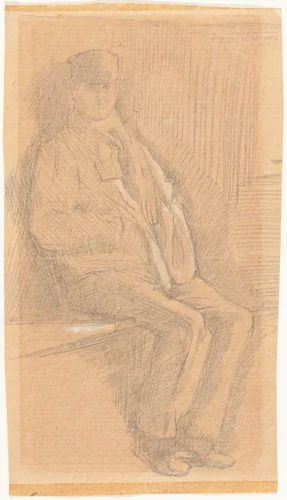
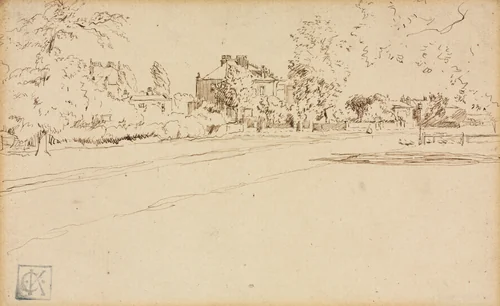
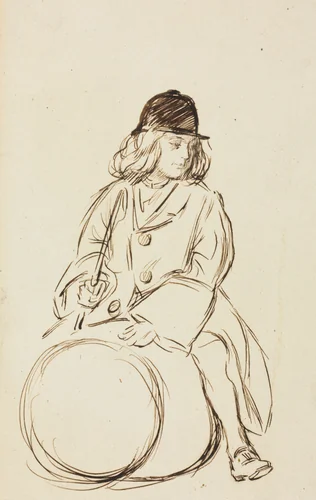
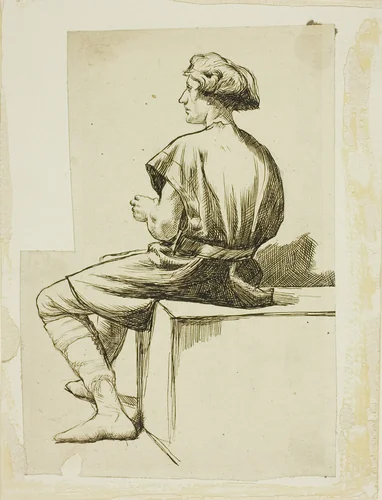
Interestingly, despite his considerable reputation among fellow artists for his technical brilliance, Keene maintained a deeply private life, often preferring the company of his sketchbook and his own studio to public society gatherings. This reserved nature perhaps allowed him the necessary focus to produce work of such exacting museum-quality. His key pieces, such as Seated Man and House in Hammersmith, have entered the public domain, ensuring that downloadable artwork derived from his original graphic studies is widely available for appreciation and academic study. Keene’s quiet achievement lies not in revolutionary artistic upheaval, but in perfecting the function of graphic art, leaving behind a substantial body of work that continues to impress with its honesty and technical integrity.
Source: Wikipedia · CC BY-SA 4.0