Charles Rolls
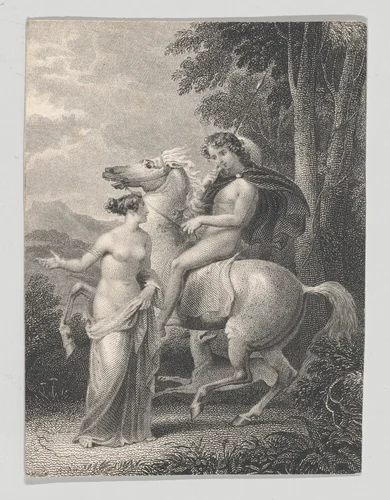
Charles Rolls, whose artistic activity centers around the year 1825, holds a unique and complex position in British cultural history. His known artistic output consists of a concise but powerful suite of five prints dedicated almost exclusively to Shakespearian subjects, positioning him firmly within the Romantic-era fascination with dramatic literary illustration.
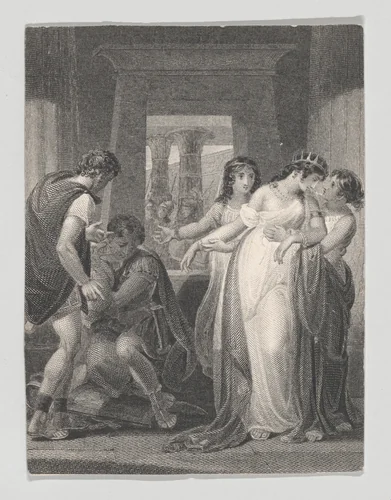
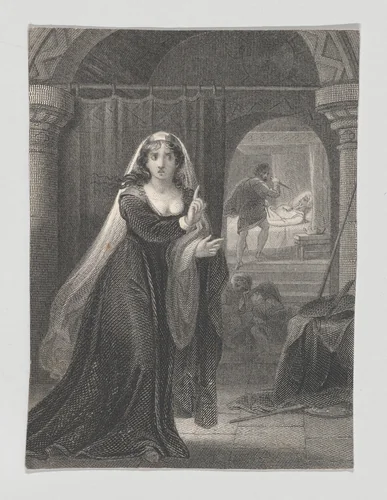
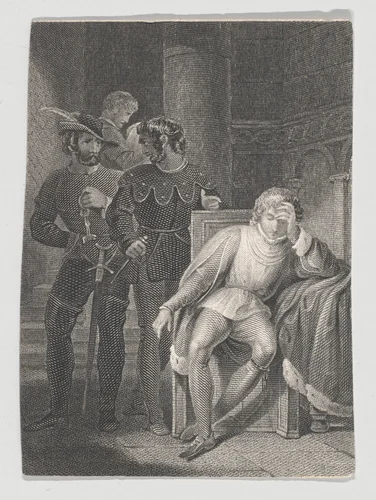
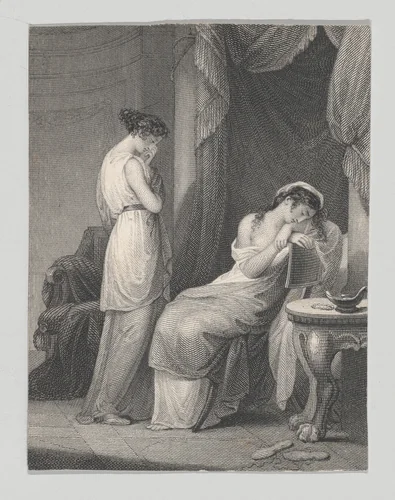
These compositions demonstrate a mastery of dramatic staging and intricate detail necessary for high-quality prints intended for broad distribution. The works capture pivotal moments of high emotion and theatrical consequence, illustrating an acute understanding of narrative tension. Key examples include the political tragedy of The Duke of Clarence Asleep in the Tower, as Brackenbury Leaves (Shakespeare, Richard III, Act 1, Scene 4), the chilling domestic horror depicted in Lady Macbeth, Macbeth and the Murder of Duncan (Shakespeare, Macbeth, Act II, Scene II), and the mythological romance of Venus and Adonis. The preservation of these meticulous images in significant institutions, such as the Metropolitan Museum of Art, affirms their lasting museum-quality appeal.
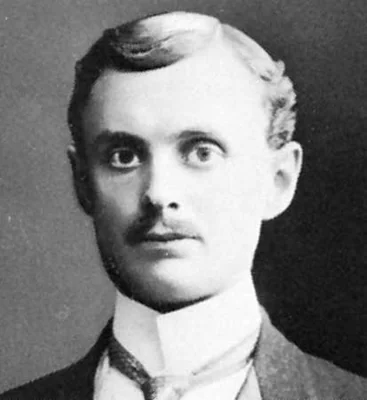
Curiously, the meticulous hand that rendered the fatal kiss in Cleopatra, Eros, Antony, Charmian and Iras seems wholly unrelated to the high-velocity pursuits that would later define his public profile. Rolls was later distinguished not by etching plates, but by internal combustion. Alongside Henry Royce, he co-founded the eponymous manufacturing firm, forever linking his name to precision engineering and luxury transport. It is a remarkable, if deeply contradictory, transition: from the quiet, painstaking labor of the early 19th-century engraving studio to the literal roar of the early automobile engine and the aviation era.
His life, defined by exceptional dynamism, was tragically curtailed. Charles Rolls was the first Briton to be killed in an aeronautical accident involving a powered aircraft, an event that occurred during a flying display in Bournemouth when his Wright Flyer suffered a mechanical failure. His brief, intensely active life, ending abruptly at the age of 32, spanned both the delicate artistry of the Regency printmaking tradition and the nascent age of global mechanics. Fortunately, these important Charles Rolls prints remain widely accessible today in the public domain, allowing for the continued appreciation of his early artistic endeavors.
Source: Wikipedia · CC BY-SA 4.0