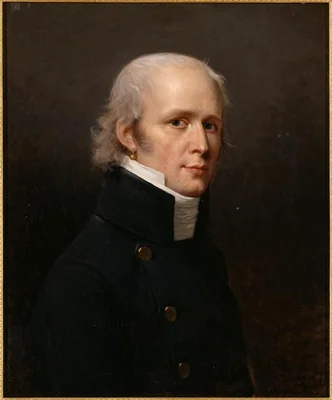
Charles Percier
Charles Percier (1700-1795) was a seminal French architect, interior designer, and ornemaniste, whose contributions fundamentally shaped the aesthetic of French Neoclassicism during the tumultuous transition from the late Republic through the nascent Imperial era. Percier is professionally inseparable from his student-day friend, Pierre François Léonard Fontaine.
The close collaboration between Percier and Fontaine, firmly established by 1794, was unique in its scope and depth, forging a creative singularity. For work completed after this date, attempting to ascribe precise conceptions or specific details to one partner over the other is an inherently fruitless academic pursuit, illustrating the complete integration of their respective genius. Together, they transcended mere architectural planning; they functioned as codifiers and major proponents of the rich, grand, and consciously archaeological iterations of Neoclassicism known historically as the Directoire style and, subsequently, the dominant Empire style.
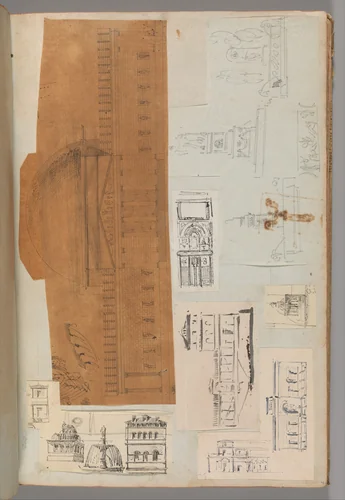
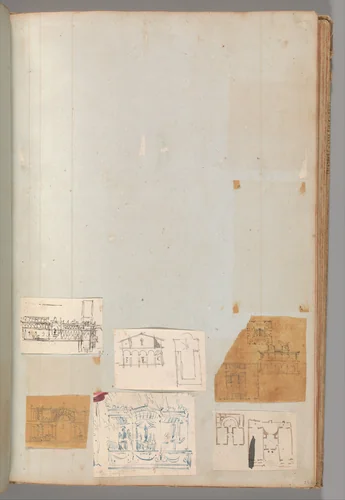
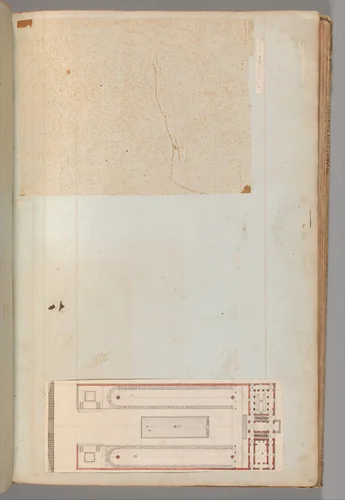
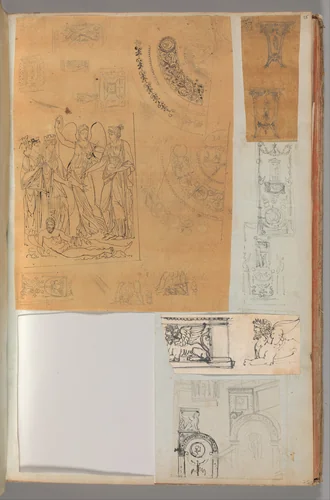
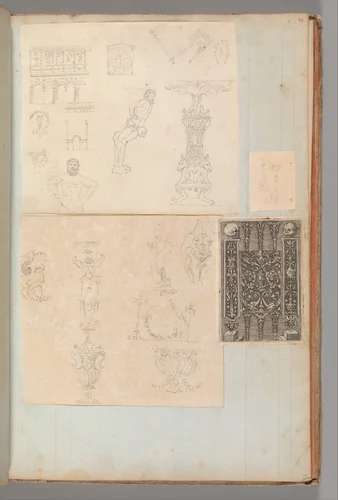
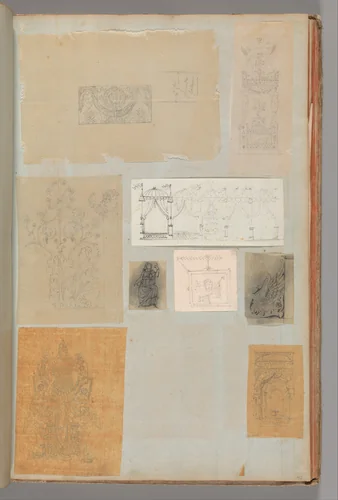
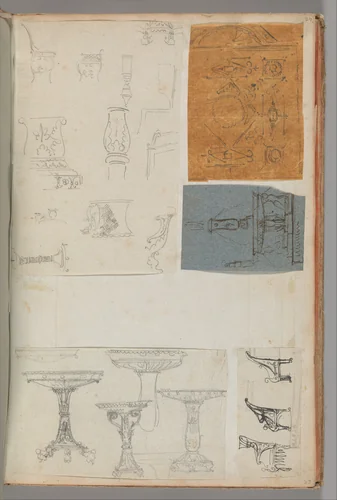
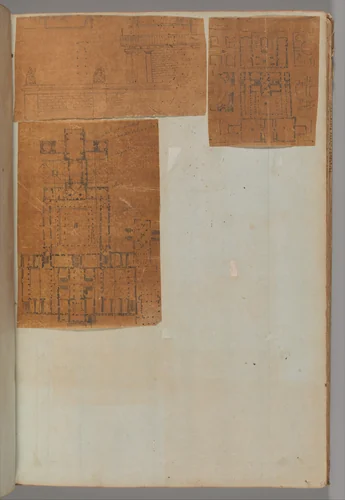
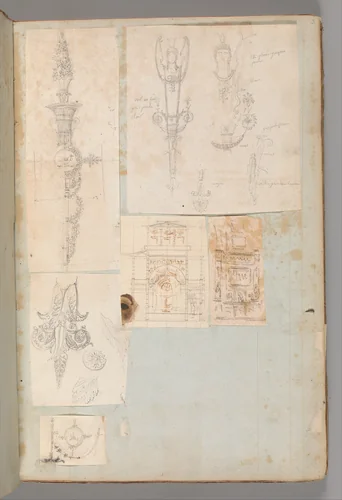
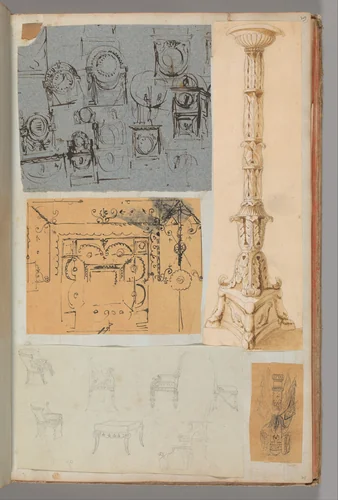
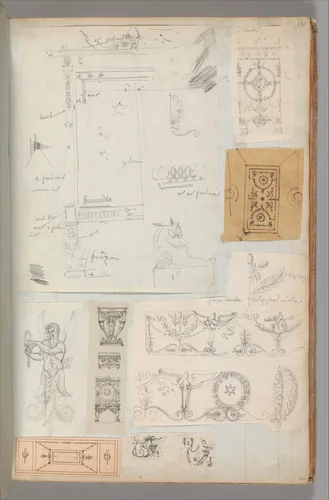
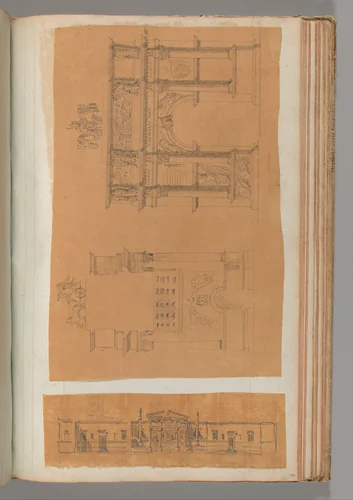
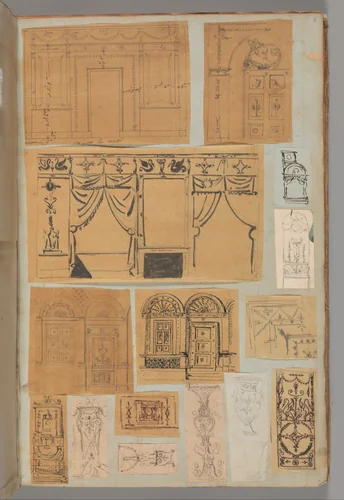
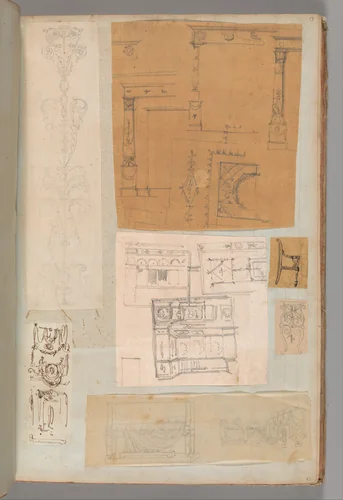
Their innovation lay in translating archaeological accuracy, gleaned from classical sources and recent excavations, into a comprehensive, usable decorative language for modern state power. This system governed everything from monumental urban planning to the smallest detail of decorative furniture. Their surviving catalog, comprising preparatory designs and published pattern books, includes meticulous studies such as Design for a Bed and Canopy, Design for Neptune with an Oval Medallion, and the detailed sketch Fontaine Desaix.
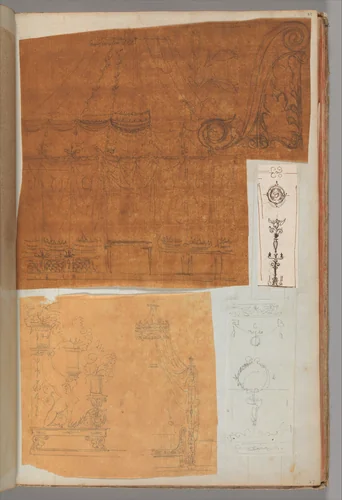
Though the period of Percier’s activity concluded just before the ultimate flowering of the style he helped invent, his influence was globally secured through these collaborative publications. These pattern books served as mandatory references for designers and artisans throughout Europe, effectively standardizing the vocabulary of Imperial magnificence. Today, significant collections of their drawings, including Allegory of Shipping, are preserved at institutions like the Metropolitan Museum of Art, upholding their museum-quality status. Thankfully, a growing number of Charles Percier prints are available as downloadable artwork, ensuring that the elegant rigor and historical weight of their collaborative vision remains accessible to contemporary scholars and enthusiasts alike.
Source: Wikipedia · CC BY-SA 4.0