Charles Peale Polk
Charles Peale Polk (1767-1822) holds a distinct, if often institutionally defined, position within the history of American portraiture, largely established by his direct relationship to the most influential artistic family of the Early Republic. As the nephew and apprentice of Charles Willson Peale, Polk was immediately immersed in the sophisticated, realist tradition that dominated visual culture in Philadelphia during the foundation of the new nation. His professional career, active from approximately 1784 to 1802, spanned the pivotal years when a nascent American visual identity was actively being constructed.
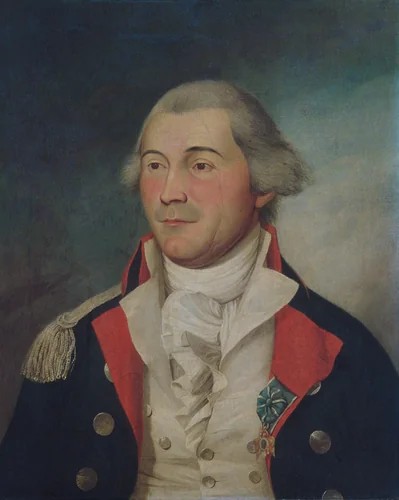
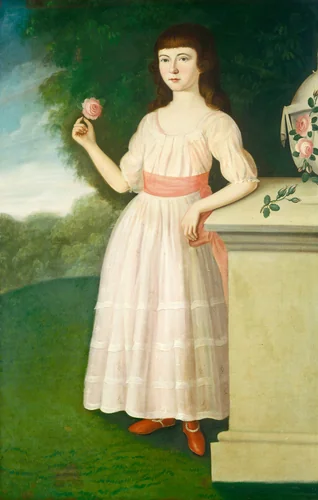
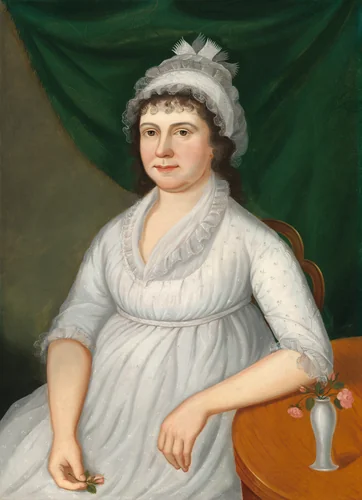
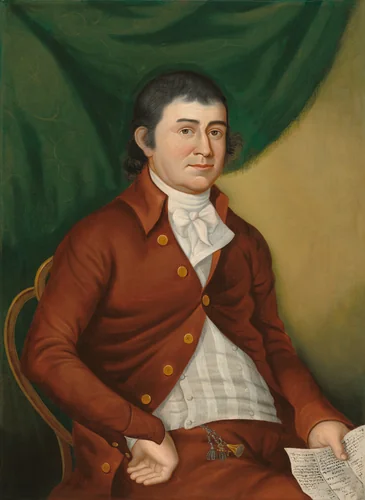
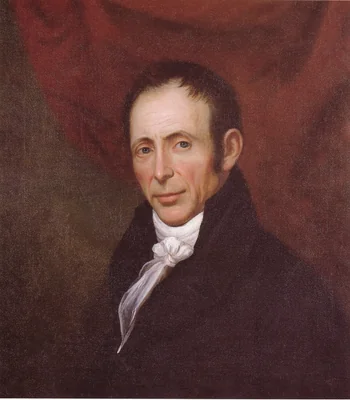
Polk’s artistic production adhered closely to the disciplined style championed by the Peale studio. His focus was almost exclusively on portraiture, providing visual records of the rising mercantile and political elite, such as Joseph Howell, Jr. and Anna Maria Cumpston. While his documented oeuvre remains modest—with defining examples held in the collections of the Metropolitan Museum of Art and the National Gallery of Art—the works demonstrate the refined technical competence expected of an artist trained under the meticulous Peale standard.
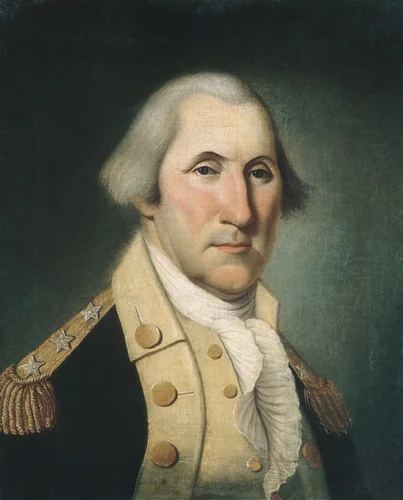
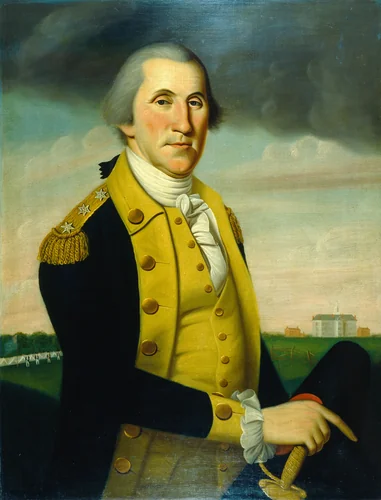
His most historically significant output involved the serial depiction of George Washington, a necessary commission for any successful portraitist of the Federal era. Portraits such as General Washington at Princeton were essential in fulfilling the immense national demand for accessible, repeatable iconography of the first President. These paintings were often based directly upon Charles Willson Peale’s prototypes, an efficient commercial strategy. It is interesting to note that Polk, in executing these commissions swiftly and capably, became one of the country's first commercially minded mass-producers of celebrity imagery—a shrewd adaptation to the visual currency requirements of the new republic.
The study of Charles Peale Polk paintings today offers critical insight into the professional practices of the Peale studio system and the dissemination of foundational American images. Due to their age, many of his portraits, including those of figures like Hannah Lemmon Corcoran, are frequently found in the public domain, allowing institutions and enthusiasts to access high-quality prints for scholarship and non-commercial usage.
Source: Wikipedia · CC BY-SA 4.0