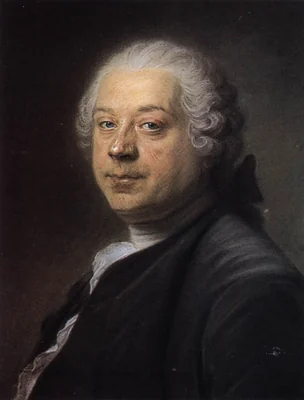
Charles Parrocel
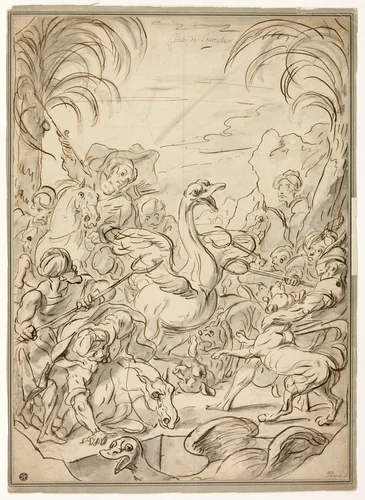
Charles Parrocel (1688-1725) was a French painter and engraver whose brief but impactful career specialized almost exclusively in the demanding genre of peintures de batailles (battle paintings) and hunting scenes. Active during the late Baroque and early Rococo transition, Parrocel brought a focused intensity to depicting military action and high-stakes equestrian drama, moving beyond standard portraiture to capture the chaos and kinetic energy of conflict.
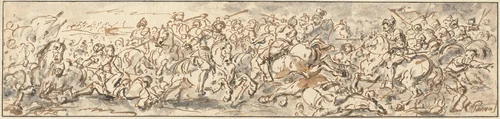
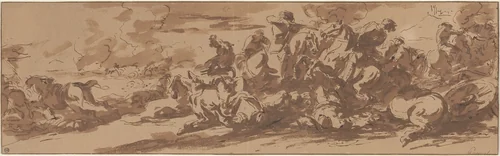
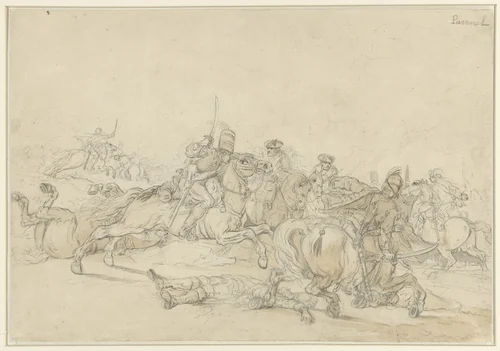
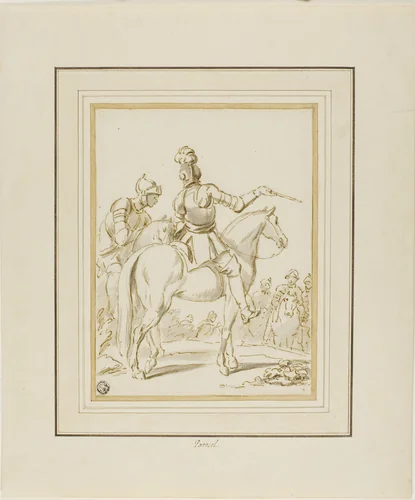
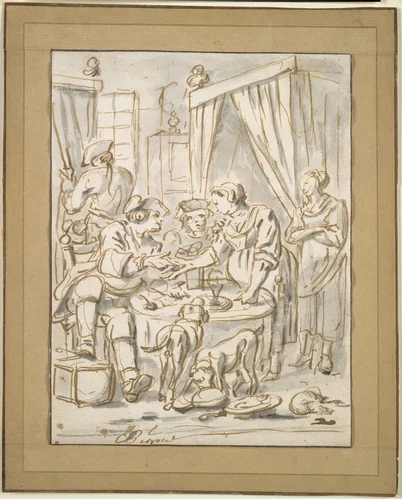
His relatively small extant body of work, comprising 13 drawings and two recorded prints, demonstrates a remarkable technical prowess. Parrocel was exceptional in translating the vigor of preliminary sketches into dramatic, fully realized compositions. His work is characterized by vigorous linear energy, designed to convey rapid movement across the plane, a skill visible in preparatory studies collected by institutions globally. Compositions such as the two distinct Cavalry Battle subjects and the detailed Ruitergevecht showcase his ability to render intense, chaotic close combat while maintaining narrative clarity and artistic control.
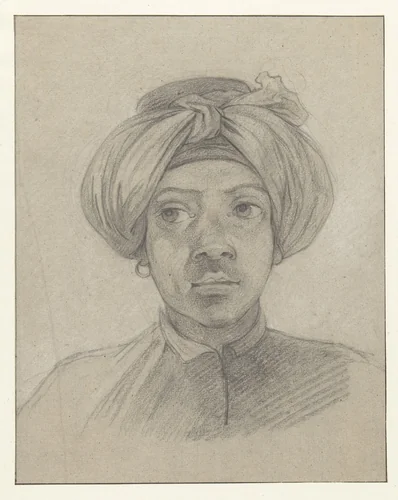
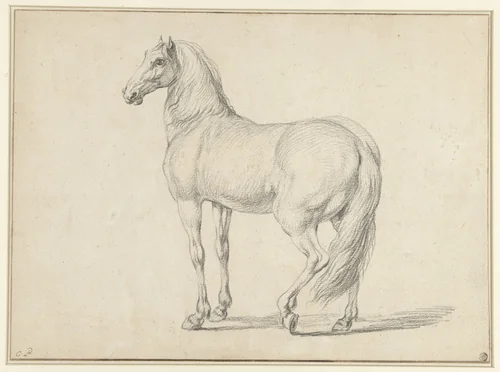
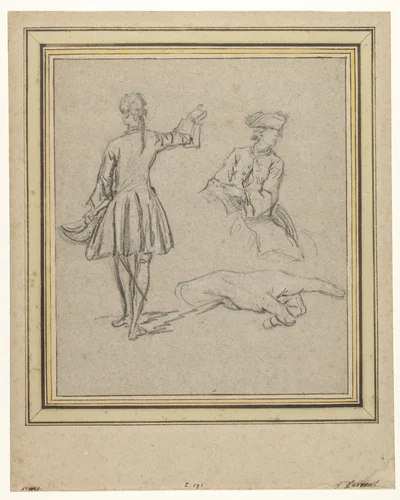
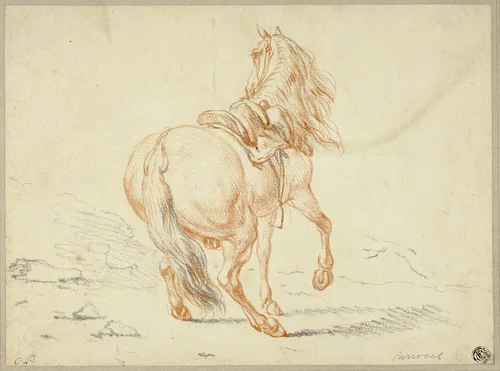
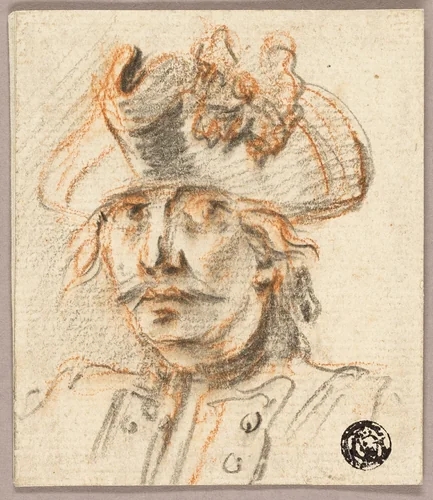
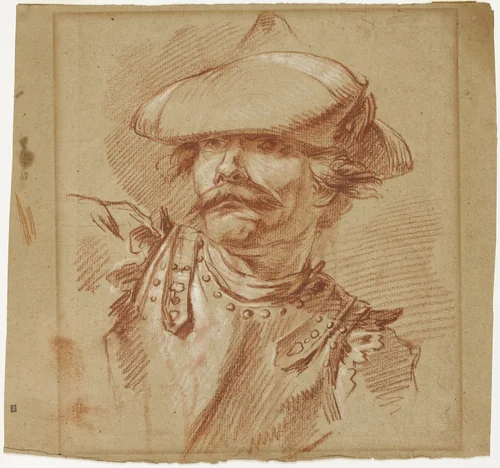
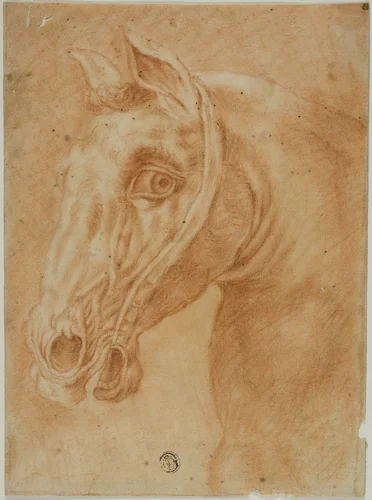
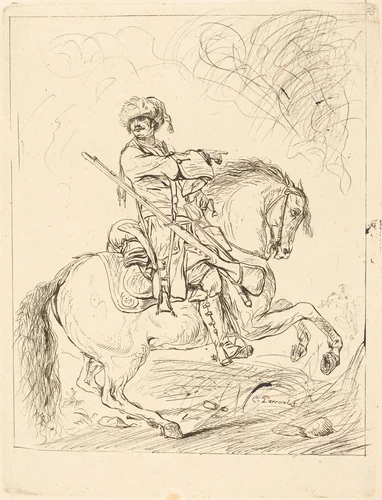
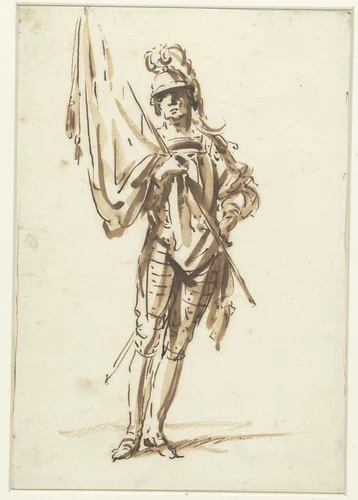
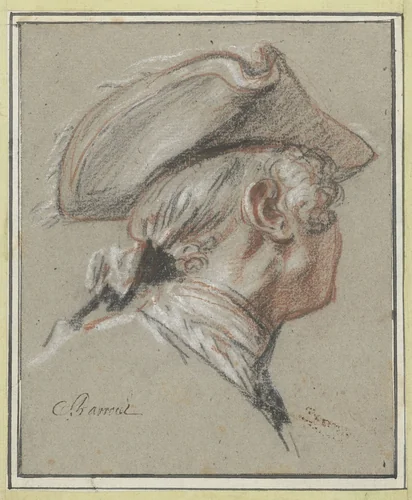
Charles was a key member of the extensive Parrocel artistic dynasty, an interesting footnote given that his active period was cut short by his early death, preventing him from achieving the widespread fame of some of his relatives. However, his lasting influence rests heavily on the authority of his drawings and prints, which function as crucial documents of 18th-century military life. His skill was not merely in documenting the fight, but in capturing the emotional weight of individual moments and figures, evidenced by focused studies such as Kopstudie van een Mammeluk (Head Study of a Mamluk) and the meticulously observed Ontzadeld paard, naar links (Dismounted Horse, facing left). Today, many of the surviving Charles Parrocel prints and drawings have entered the public domain, making them highly accessible for scholarship.
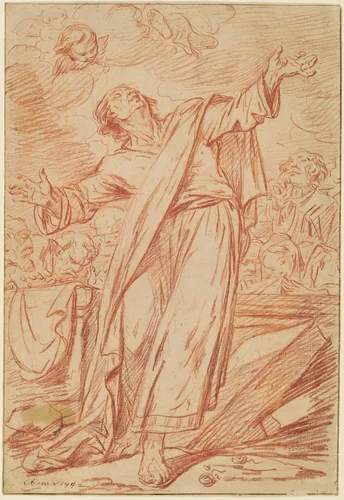
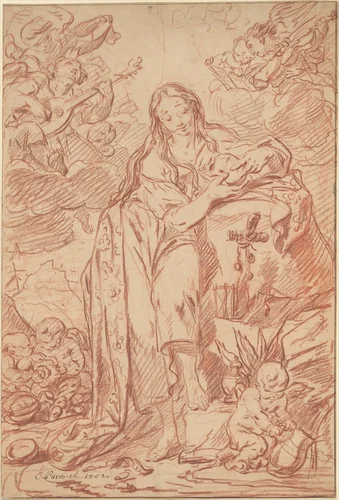
Parrocel’s dedication to depicting the drama of conflict, rendered with precision and vitality, established a high technical benchmark for genre military art. The strong draftsmanship inherent in his work ensures his continued representation in premier global collections. Institutions including the Rijksmuseum, the National Gallery of Art, and the Art Institute of Chicago actively conserve examples of his artistry, ensuring that high-quality prints derived from his originals remain central to the study of 18th-century French graphic arts.
Source: Wikipedia · CC BY-SA 4.0