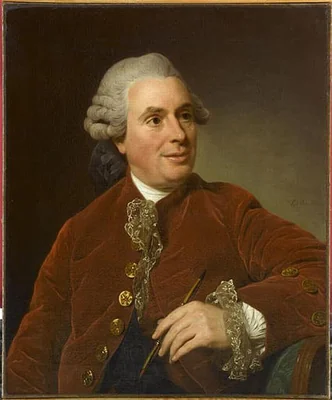
Charles Nicolas Cochin
Charles Nicolas Cochin II (1715-1790) stands as one of the most versatile and historically influential figures in the Parisian art world of the ancien régime. A prodigious engraver, meticulous designer, powerful writer, and foremost art critic, his influence extended far beyond the copperplate. He is traditionally differentiated from his namesake father, Charles-Nicolas Cochin I, and is consistently referred to in scholarship as Cochin le Jeune or Cochin II.
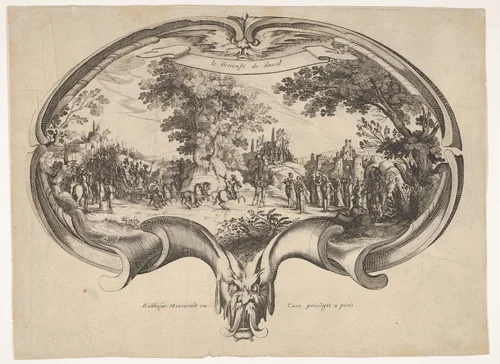
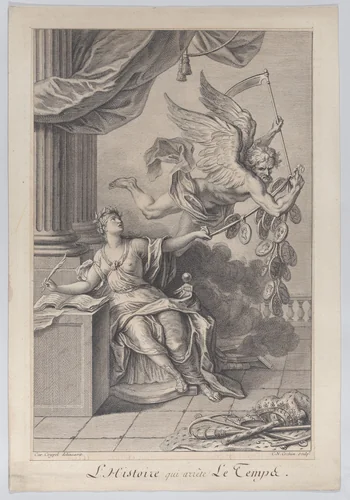
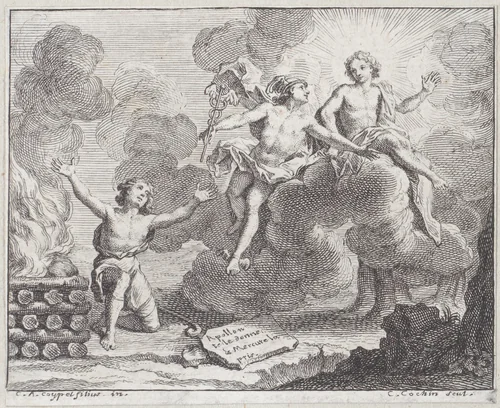
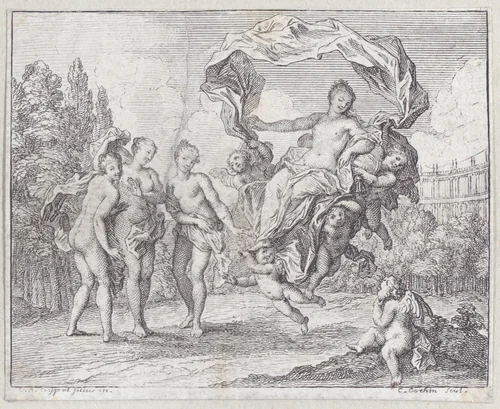
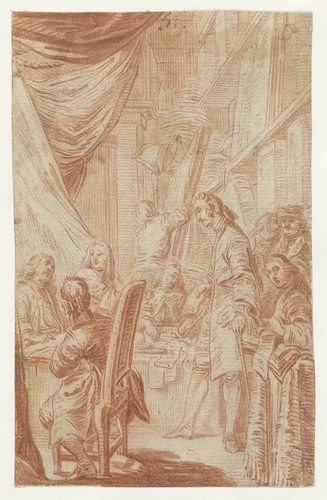
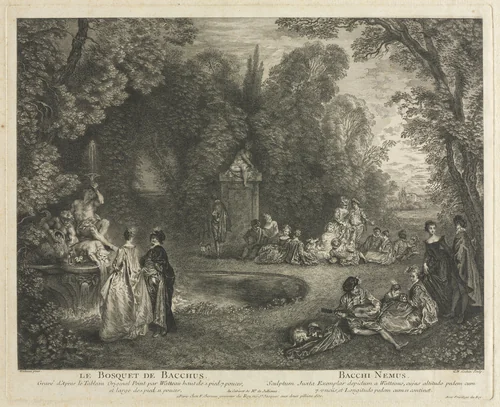
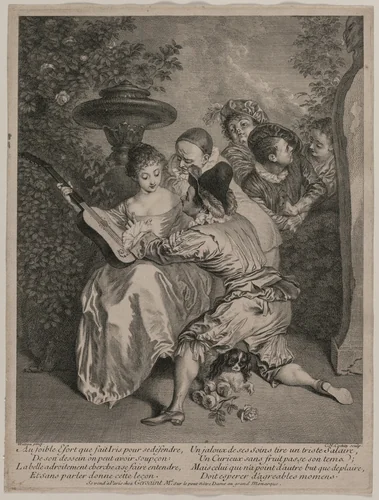
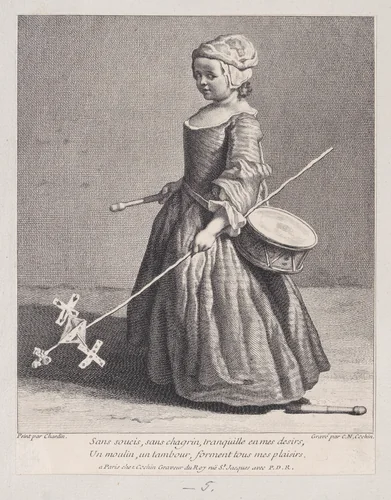
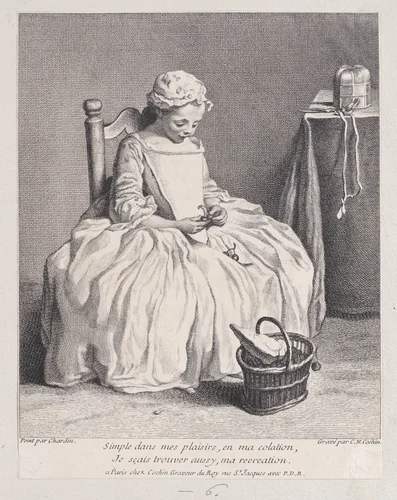
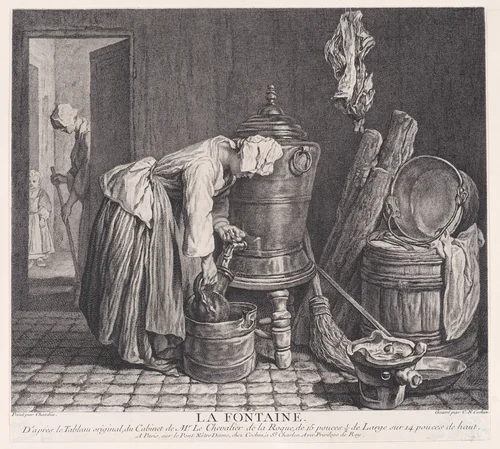
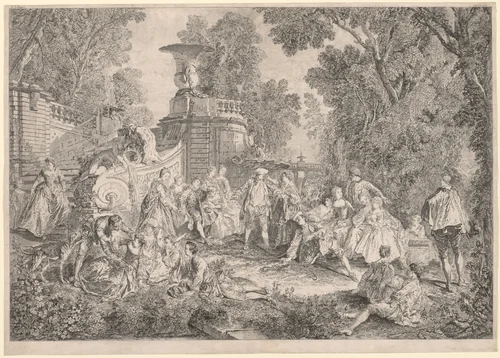
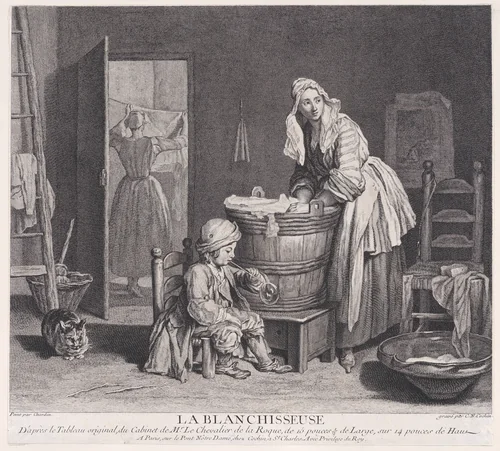
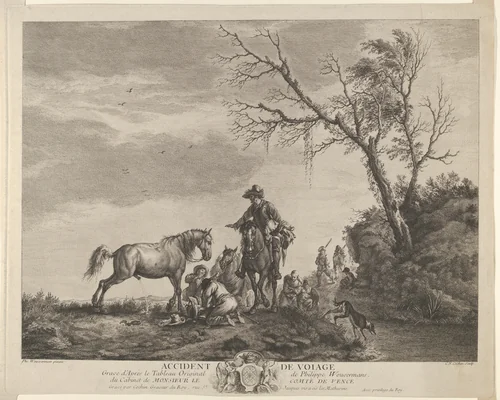
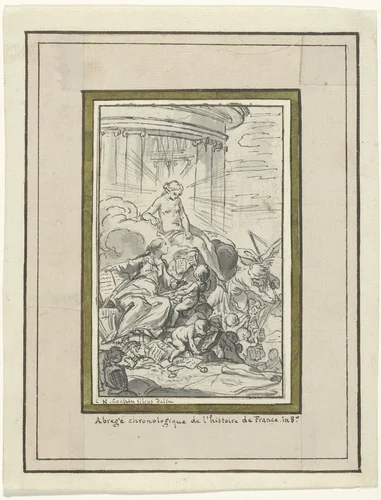
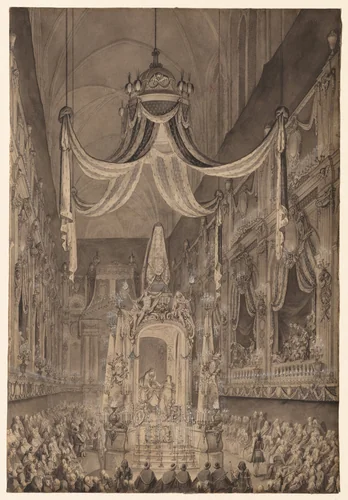
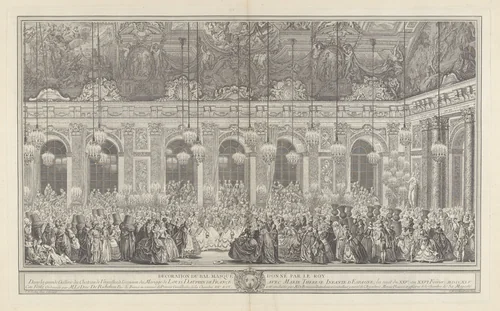
Cochin excelled in reproductive engraving, translating the dynamic compositions of major contemporary artists into widely circulated prints. His prolific output extended to grand decorative programs and detailed illustrations for significant literary projects, such as the vignettes for Antoine Houdar de la Motte's Fables Nouvelles. The execution of plates such as Apollo, Mercury, and the Shepherdesses and The Graces demonstrates his mastery of the burin and meticulous attention to narrative detail. His preparatory drawings, like The Story that Stops Time (L'Histoire qui arrête le temps), reveal the architectural planning underpinning his technical precision. These works, which include rare fan designs such as The Triumph of David, from a fan by Jacques Callot, ensure his lasting presence in major collections including the Rijksmuseum and the Metropolitan Museum of Art.
While revered for his graphic production, Cochin’s most enduring influence was achieved through his dual role as an academician and influential art critic. Serving as the keeper of the King’s drawings and acting as the driving force behind reforms at the Académie Royale, he used his extensive network and his sharp prose to shape the course of French taste. He systematically advocated for a shift away from the perceived excesses and frivolousness of the late Rococo, subtly guiding Parisian aesthetics towards the reasoned structure of early Neoclassicism.
It is perhaps fitting that a man whose art demanded such exacting technical precision was also the era’s most exacting aesthetic judge—a dual role suggesting that for Cochin, art was always both a visual exercise and a moral imperative. Many of the resulting high-quality prints stemming from his lifetime production are today available as downloadable artwork in the public domain, securing his legacy for future generations of scholars and enthusiasts.
Source: Wikipedia · CC BY-SA 4.0