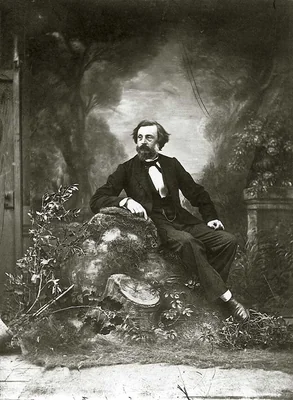
Charles Nègre
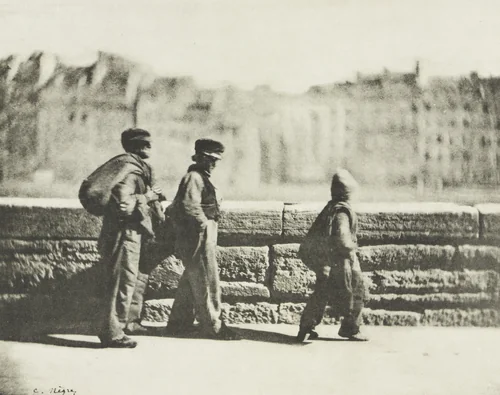
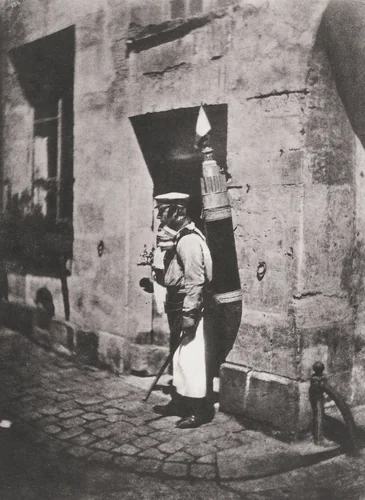
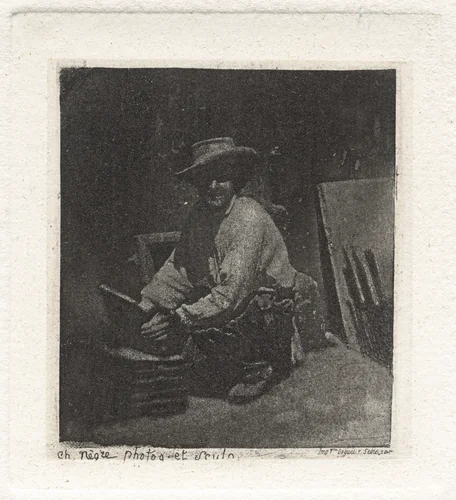
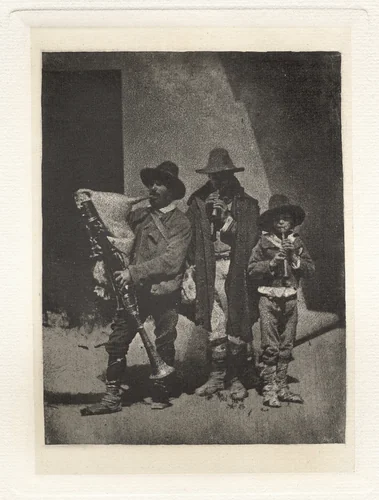
Charles Nègre (1820-1880) occupies a critical, yet often overlooked, position in the history of French photography. Active primarily between 1844 and 1851, his brief but influential photographic career established him as a pioneer whose technical precision and formal vision bridged the gap between classical painting and the emerging documentation medium.
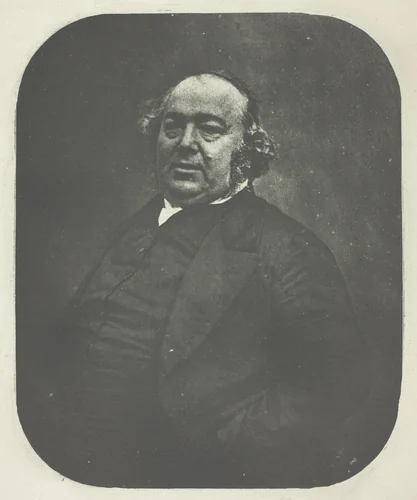
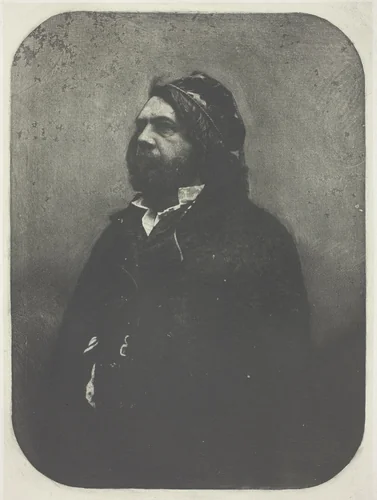
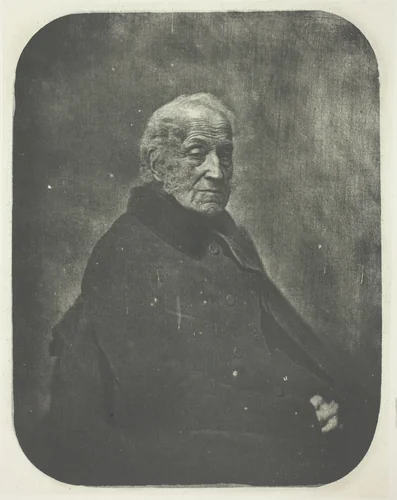
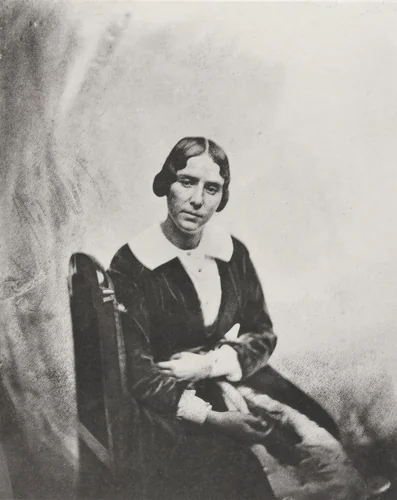
Born in Grasse, France, Nègre began his training in the traditional manner of the era, studying painting under distinguished masters including Paul Delaroche and Drolling. Crucially, he also studied under the famously conservative Jean-Auguste-Dominique Ingres. This classical foundation lent a sophisticated rigor to Nègre’s later photographic output, characterized by careful composition and an almost sculptural attention to light. It is perhaps the single most compelling irony of his career that one of his early masterpieces is the masterful Portrait d'Ingres, capturing the very teacher who frequently and vocally dismissed photography as merely "an enemy of art."
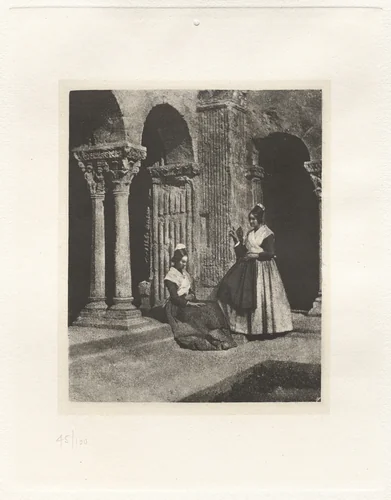
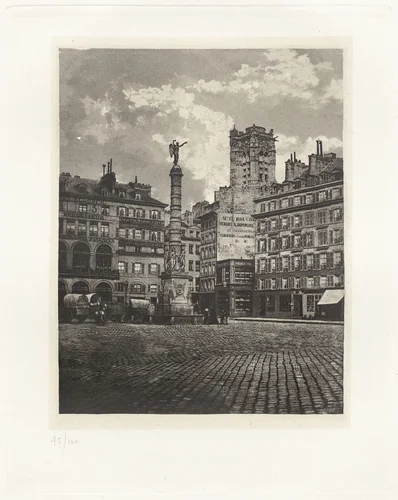
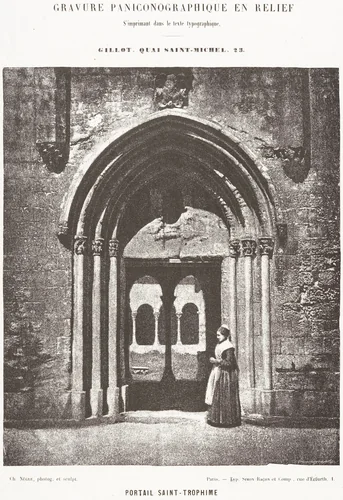
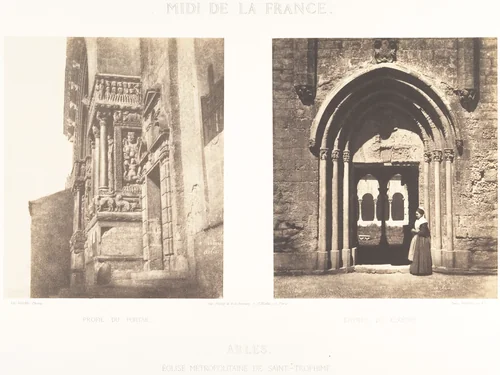
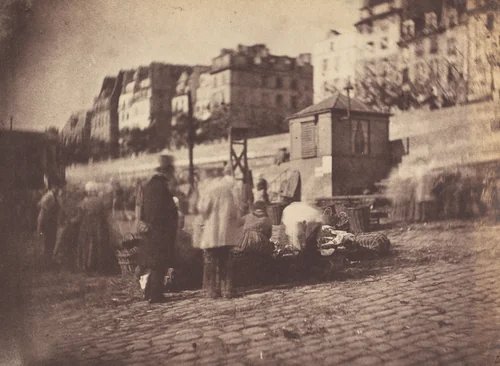
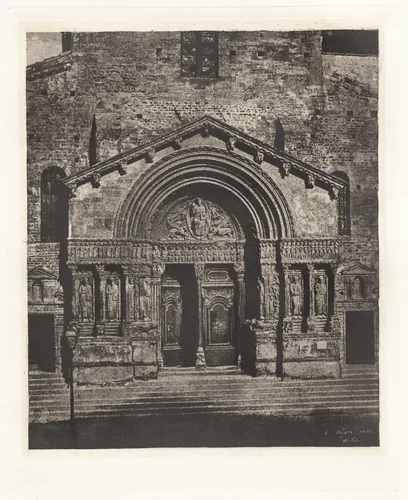
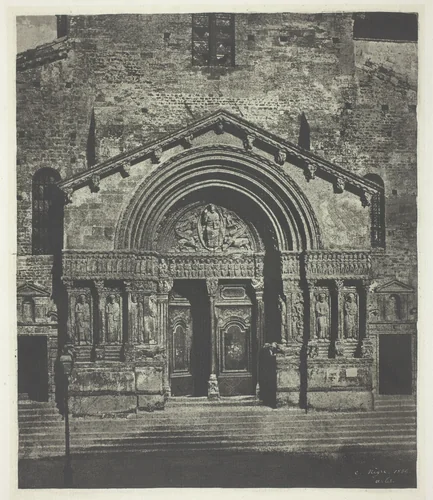
After establishing his studio at 21 Quai Bourbon on the Île Saint-Louis, Paris, Nègre dedicated himself to mastering the unforgiving processes of early photography, working extensively with both paper negatives and the technically challenging Daguerreotype. His greatest achievements lie in architectural and topographical documentation, where he utilized sharp resolution and depth of focus to monumental effect.
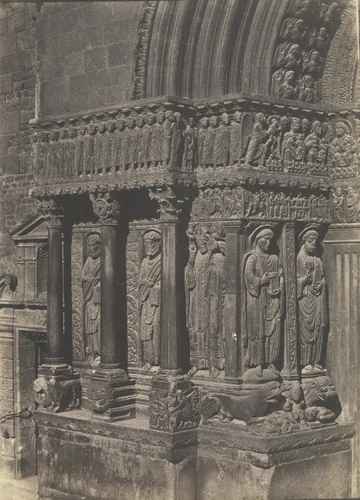
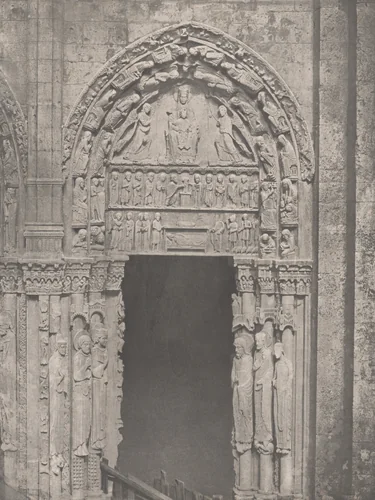
Works such as the imposing The Pope's Palace, Avignon and the highly detailed Cathédrale de Chartres - Portique du Midi XIIe Siècle demonstrate his capacity to treat architectural subjects not merely as historical records, but as complex studies of volume and atmosphere. His surviving oeuvre is compact, comprising nine known photographs and five original prints, alongside one published book. Yet this limited output secures his legacy. Today, Nègre’s significant contributions are acknowledged through placement in major institutions, including the Metropolitan Museum of Art and the Museum of Modern Art. Due to the historical nature of his work, many examples of Charles Nègre prints are now held in the public domain, offering researchers and art enthusiasts access to these high-quality prints globally.
Source: Wikipedia · CC BY-SA 4.0