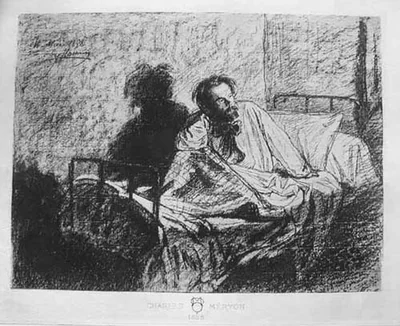
Charles Meryon
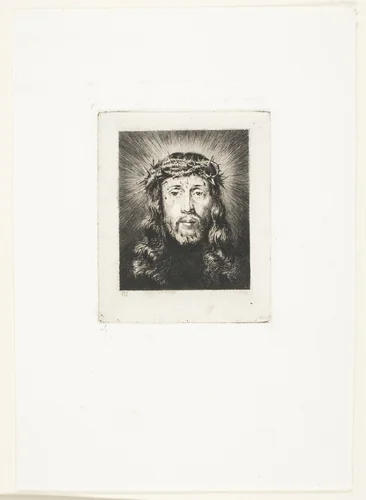
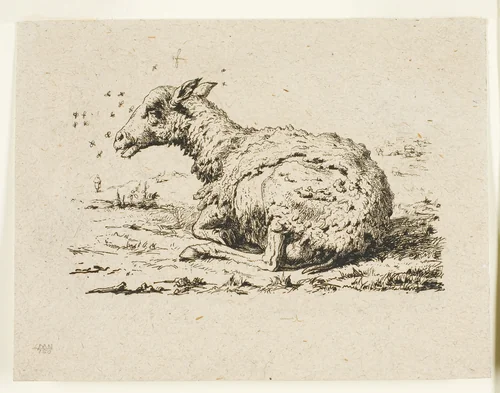
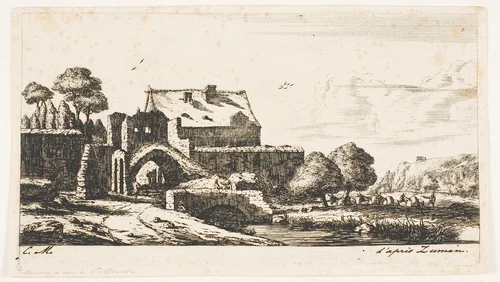
Charles Meryon (1821-1868) stands as the most significant French etcher of the nineteenth century. His reputation rests almost entirely upon his intricate graphic works, a body of output that exerted a profound influence on later printmakers who sought to capture the complex urban realities of the modernizing city. Though his name is perhaps less widely known today than those of his contemporaries in painting, his works are held in premier collections globally, including the Metropolitan Museum of Art, the National Gallery of Art, and the Art Institute of Chicago.
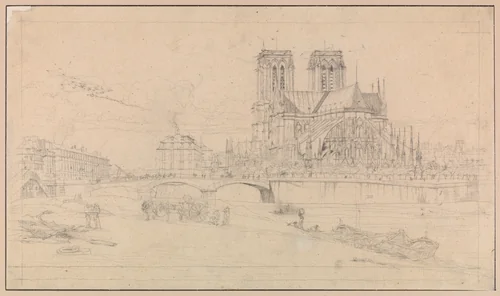
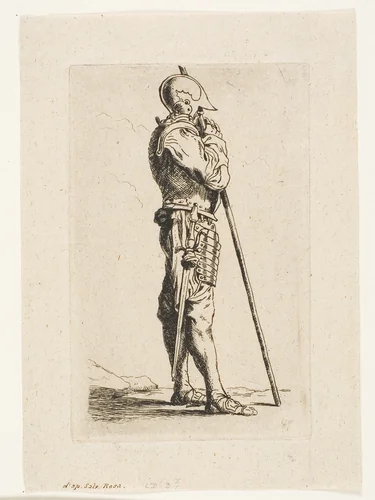
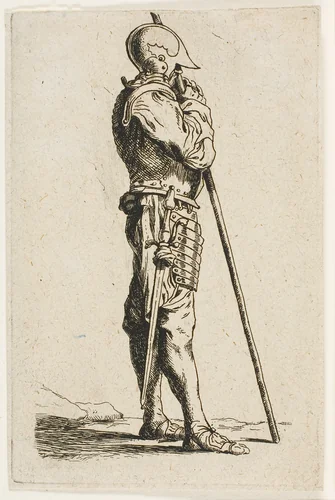
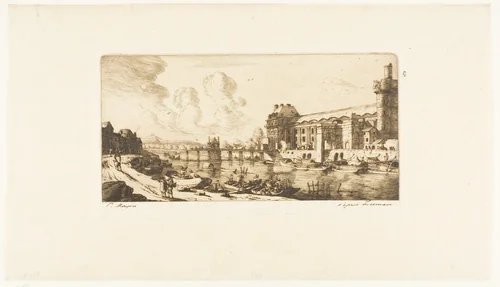
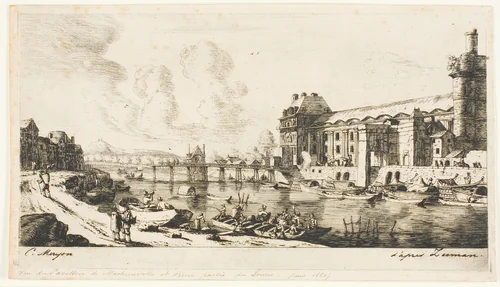
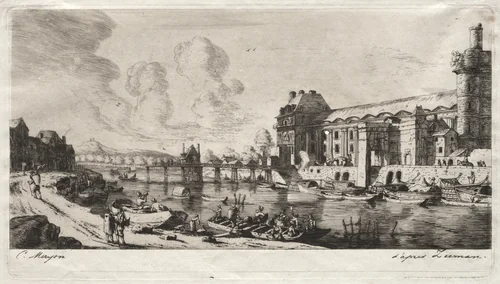
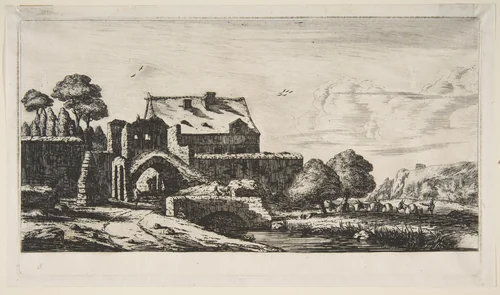
Meryon’s artistic achievement is anchored by his compelling series of Parisian views, executed predominantly in the 1850s. These works transcend mere architectural documentation, powerfully conveying a highly distinctive and often haunting Gothic vision of the city. Prints such as La Loi Solaire and the precise river studies like Boats on River with Masts capture a singular atmosphere of melancholic precision and dense, dramatic structure. Meryon managed to distill the essence of Haussmann’s rapidly transforming capital through the lens of historical memory, granting his etched structures a monumental, almost phantom-like quality.
His exclusive dedication to the medium of etching was partly necessitated by a physical limitation: color blindness. This condition restricted him to the achromatic world of the copper plate, where he could exert absolute command over line, tone, and texture. It is a curious historical footnote that France's greatest graphic artist of the era was compelled toward black and white mastery due to the physical inability to perceive chroma, suggesting that constraint can often fuel revolutionary innovation.
Despite a life tragically complicated by mental illness, culminating in his confinement and death in an asylum, Meryon’s technical accomplishments endure. He pioneered a powerful strain of graphic realism, ensuring his influence long outlived his short career. Today, the foundational studies and many subsequent Charles Meryon prints are in the public domain. This accessibility allows institutions and specialized resources to offer high-quality prints and downloadable artwork, guaranteeing that his potent and precise vision remains available to scholars and admirers globally.
Source: Wikipedia · CC BY-SA 4.0