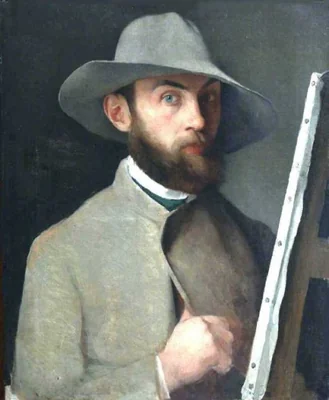
Charles Maurin
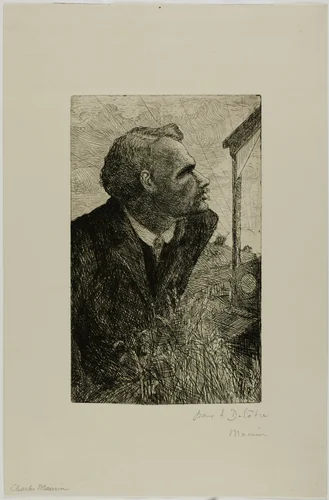
Charles Maurin (1856–1914) was a French painter and engraver whose significant contributions to the graphic arts spanned the tumultuous final decades of the nineteenth century. Active primarily between 1875 and 1901, Maurin distinguished himself through a remarkable technical command and an informed eclecticism that allowed him to work successfully in a variety of styles contemporary to Parisian modernity. His proficiency in lithography and etching ensured that his work, centered largely on portraiture and genre scenes, found placement in major international institutions, including the Metropolitan Museum of Art and the Art Institute of Chicago.
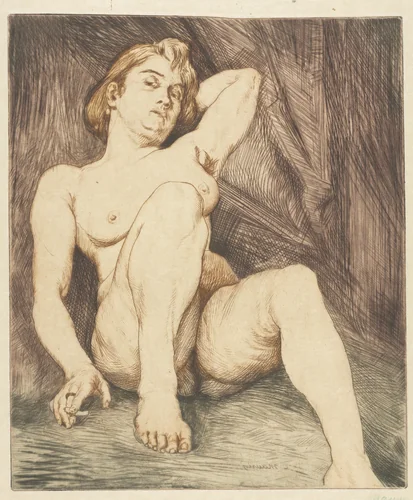
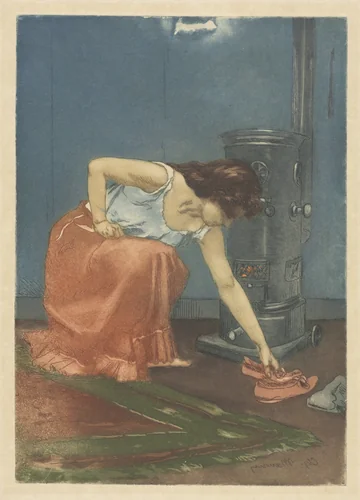
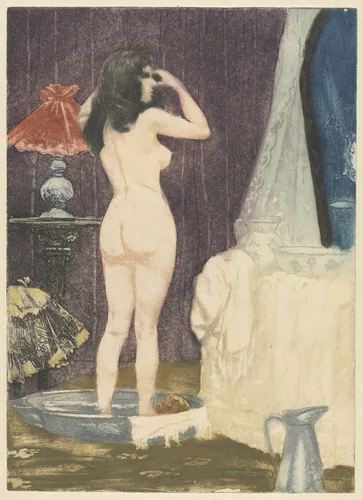
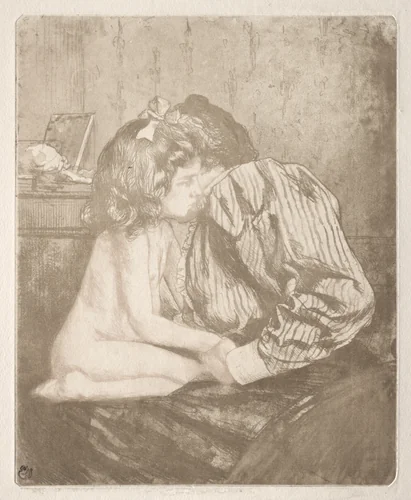
Unlike many of his contemporaries who strictly adhered to the tenets of a singular movement, Maurin’s output demonstrates a restless curiosity, moving fluidly between the luminous observation of Impressionism and the more psychologically charged compositions associated with Symbolism. This stylistic versatility enabled him to capture both the intimate atmosphere of the bourgeois interior, exemplified by prints like The Slippers and the atmospheric study The Cigarette, and the defining personalities of his era.
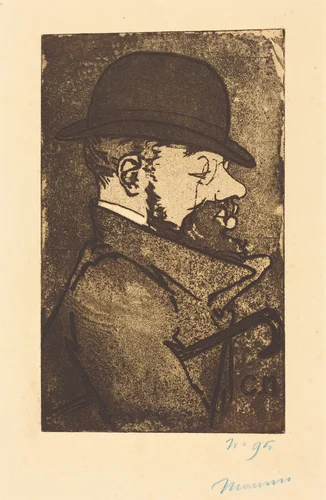
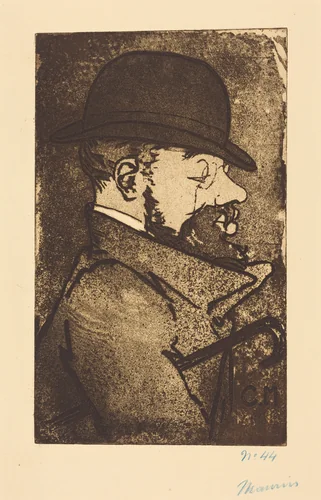
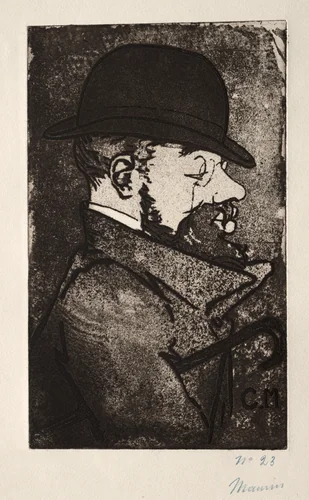
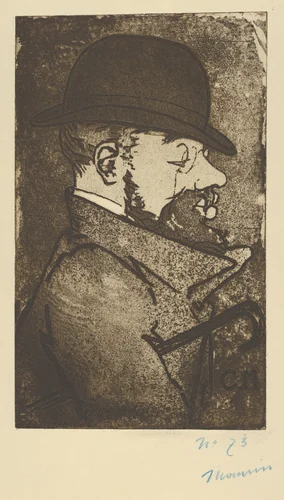
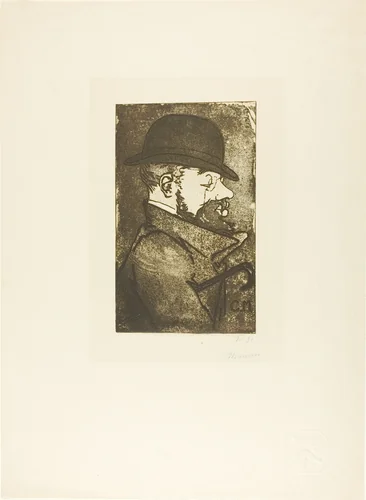
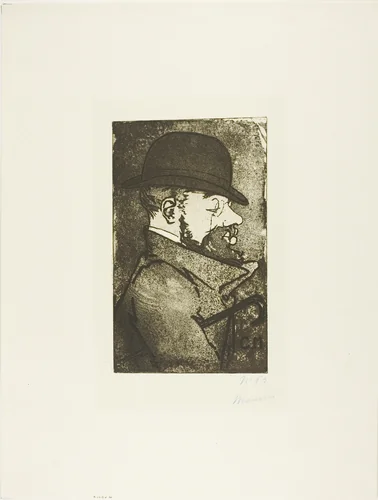
Among his most recognized graphic achievements are his penetrating portraits of fellow artist Henri de Toulouse-Lautrec. These works serve not only as sensitive depictions of a peer but also as foundational documents detailing the relationships within the Parisian avant-garde.
Maurin’s willingness to address the cultural anxieties of the fin de siècle extended beyond artistic circles. One of his most historically compelling works is the Portrait of François Claudius Ravachol, a stark depiction of the notorious anarchist whose trial dominated European newspapers in 1892. This engagement with radical politics reveals an artist keenly attuned to the social turbulence of his time, distinguishing his body of work from purely aesthetic pursuits. Today, many Charles Maurin prints and drawings have passed into the public domain, allowing for easy access to scholars and the general public. The availability of high-quality prints derived from these museum-quality originals ensures that this insightful body of work remains accessible worldwide.
Source: Wikipedia · CC BY-SA 4.0