Charles Marville
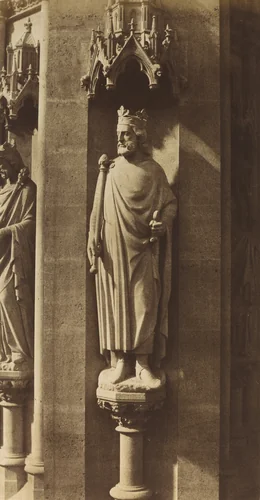
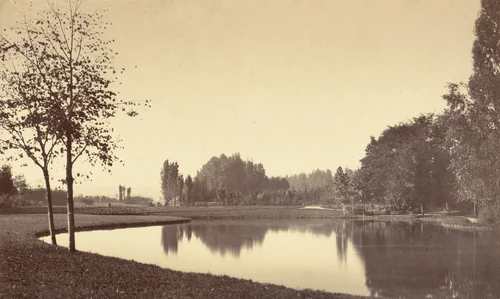
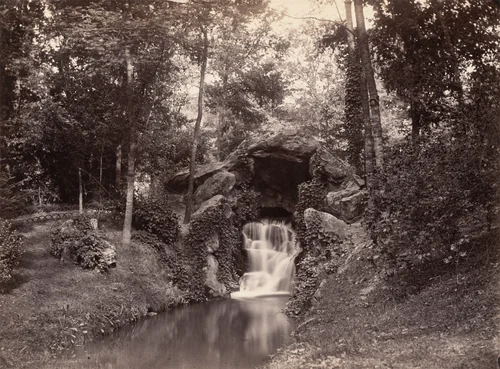
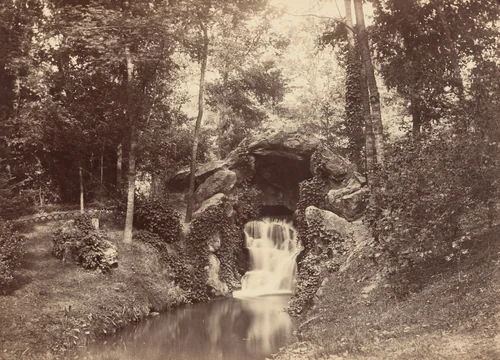
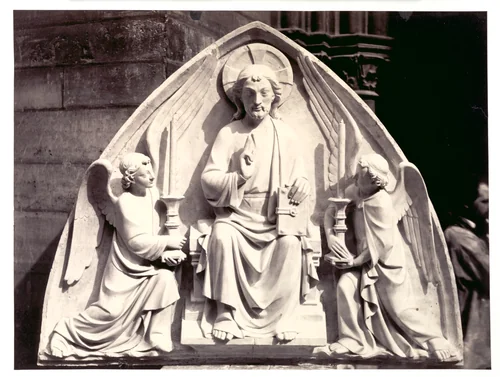
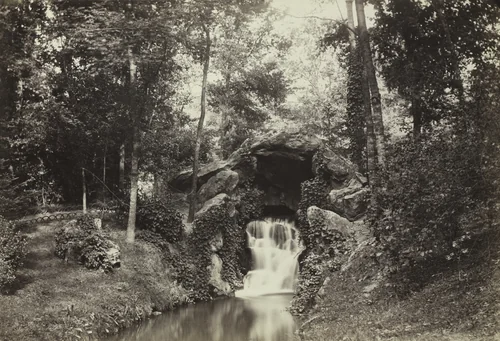
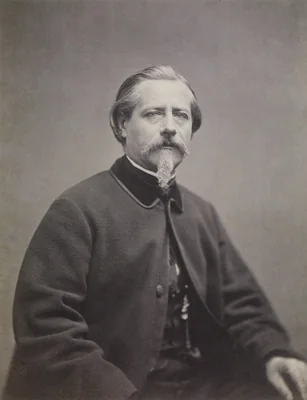
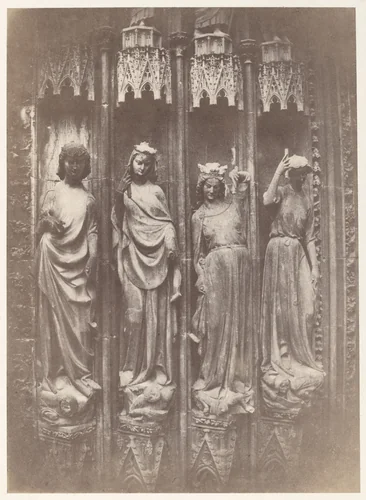
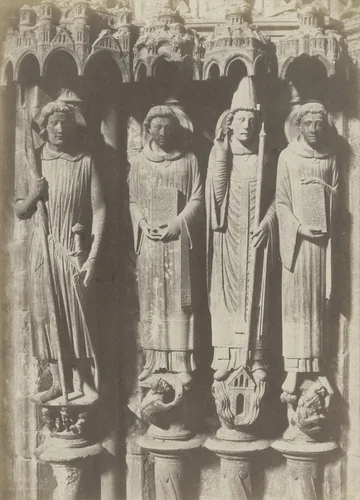
Charles Marville, born Charles François Bossu, is recognized as a fundamental figure in the development of 19th-century French architectural and urban photography. Active primarily from 1845, Marville specialized in capturing landscapes, architectural studies, and the swiftly evolving environment of the French capital. His sophisticated technical approach included the seamless utilization of both paper and glass negatives, providing the necessary clarity and permanence required for comprehensive historical documentation.
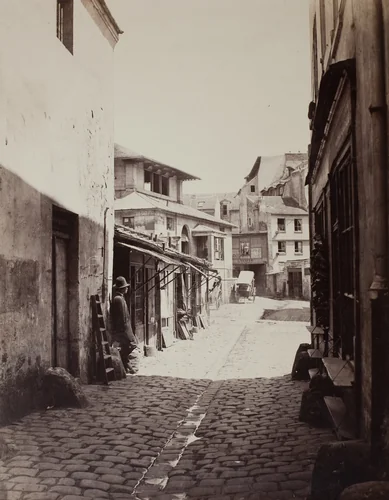
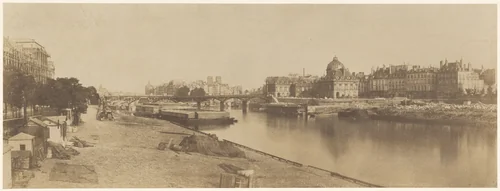
Marville’s indelible contribution stems from his systematic efforts to document the ancient quarters of Paris in the 1850s and 1860s. He was commissioned to visually record the labyrinthine streets and archaic structures scheduled for destruction and replacement under Baron Haussmann’s massive urban restructuring plan, an initiative referred to as Haussmannization. The resulting photographs transcend simple documentation, operating instead as crucial historical records that immortalize a version of Paris that exists only in archival form. In this capacity, Marville established a model of photographic perception for the architectural environment that scholars and urban planners still rely upon today.
In 1862, in recognition of the institutional importance and technical standard of his output, Marville was formally named the official photographer of Paris. It is a subtle irony of his career that the photographer who meticulously documented the city’s destruction was later also tasked with recording the triumphant completion of the new Haussmann boulevards. This dual commission solidified his legacy as the defining visual chronicler of the Second Empire’s urban transformation, recording both loss and creation with a consistent, discerning eye.
His comprehensive body of work is held in the collections of major institutions worldwide, including the Metropolitan Museum of Art, the Cleveland Museum of Art, and the National Gallery of Art. Due to the historical import of his Parisian surveys, Charles Marville prints are essential resources for researchers and historians. Because many of these historically significant works now reside within the public domain, the opportunity to study high-quality prints and downloadable artwork has made Marville’s pivotal vision widely accessible.
Source: Wikipedia · CC BY-SA 4.0
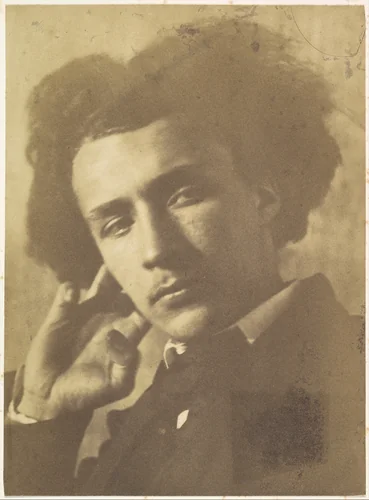
![["Industry" by Louis Petitot, Pont du Carrousel, Paris] by Charles Marville, photograph, 1852](https://img.artbee.org/a6397e8d-2233-47a8-a91b-946e7263ed1a/small.webp)
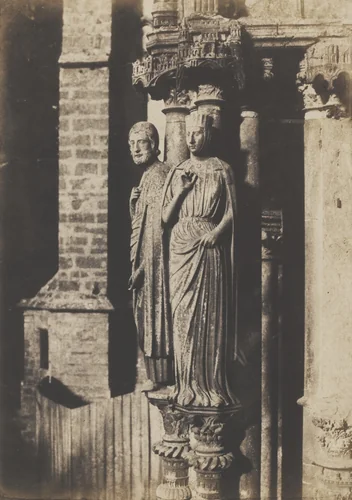
![[South Portal, Chartres Cathedral] by Charles Marville, photograph, 1854](https://img.artbee.org/28e1bd10-ff53-4b53-af16-b0c58731f238/small.webp)