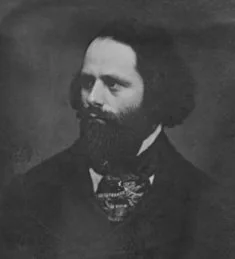
Charles Loring Elliott
Charles Loring Elliott stands among the most important and commercially successful American portraitists of the mid-19th century. His technical virtuosity and robust, unsentimental realism provided a critical bridge between the fading academic styles of the Federalist period and the emergence of modern sensibilities in New York’s rapidly expanding art scene. His meticulous approach to capturing the character of his sitters ensured both his contemporary popularity and his lasting institutional significance.
Elliott began his professional career in upstate New York, establishing a steady practice in the central region of the state for approximately ten formative years, from the mid-1830s to the mid-1840s. This prolonged engagement with regional clientele provided him with the necessary command of human anatomy and demeanor that defined his later work. The decisive professional shift occurred in 1845, when Elliott relocated to New York City. The move proved instantly beneficial, leading to his swift election as a member of the National Academy of Design in 1846, firmly securing his position within the established metropolitan artistic community.
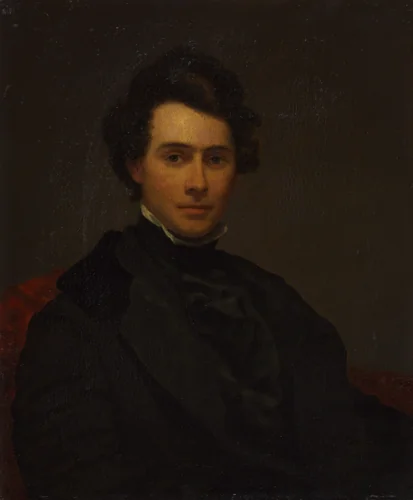
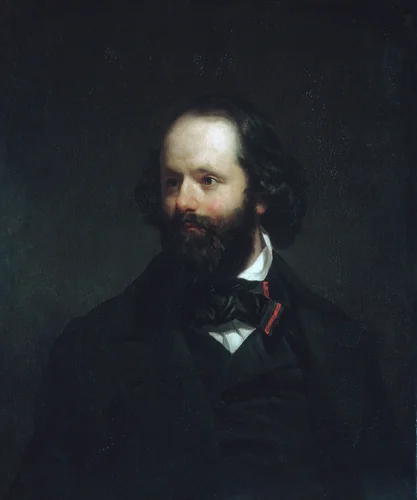
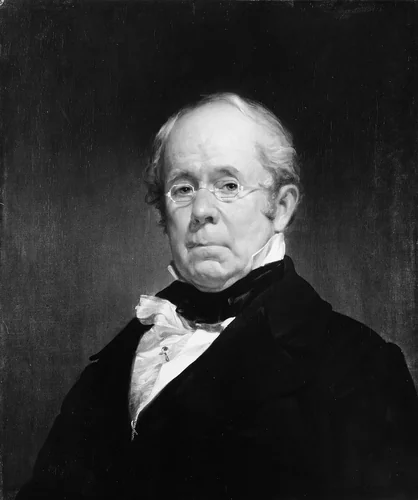
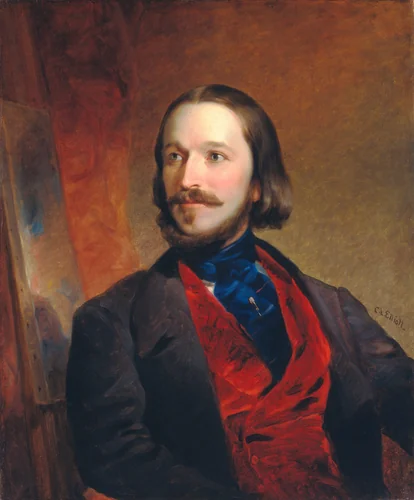
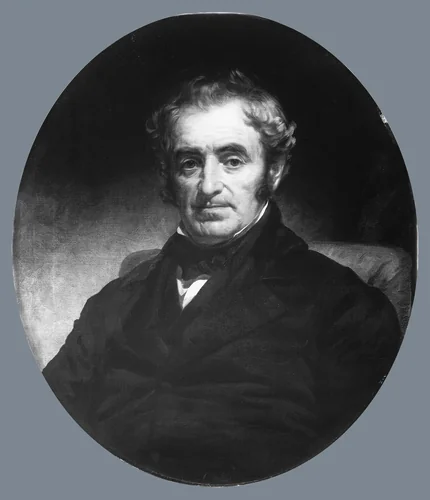
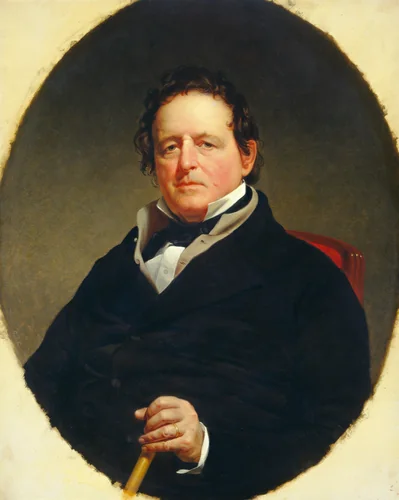
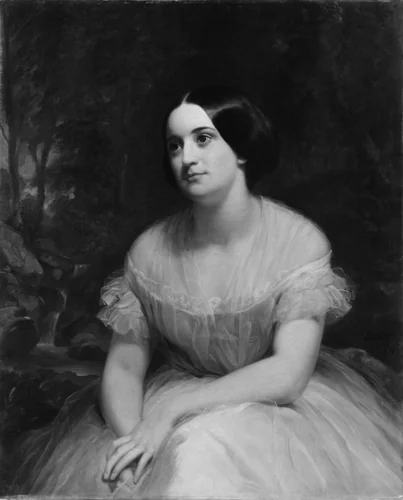
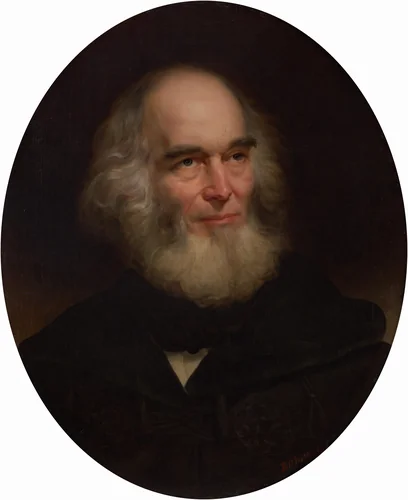
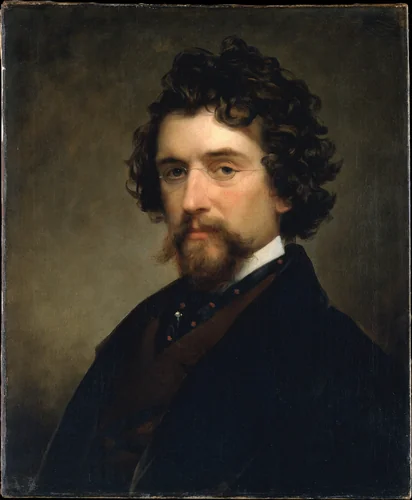
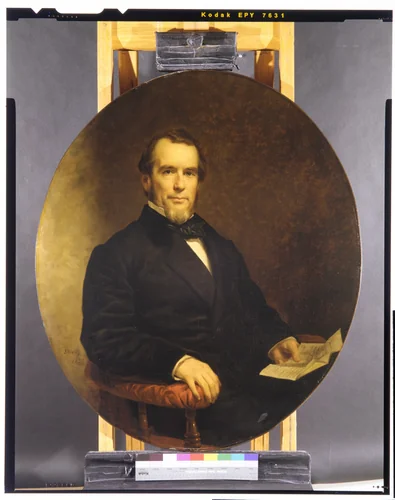
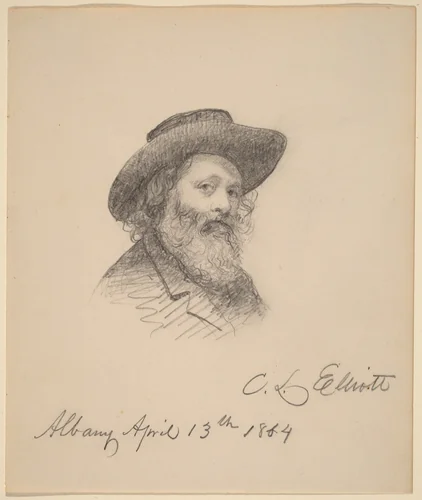
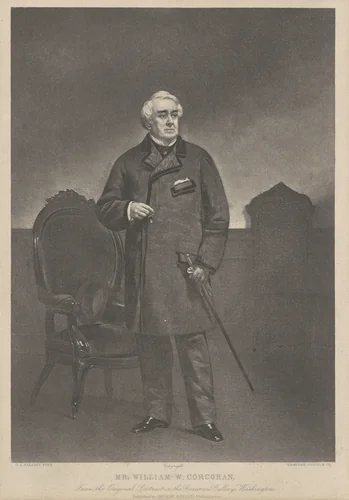
His output was substantial, comprising hundreds of portraits, ranging from political figures to celebrated cultural figures and self-examinations. Key works, now held in major collections like the National Gallery of Art, include the insightful portrait of fellow artist William Sidney Mount, and studies of the rising professional class, such as Caleb Gasper and Tompkins Matteson. Elliott’s reputation for capturing an uncanny likeness was so renowned that contemporaries joked he could capture a sitter’s essence even when painting on the back of a cracked dinner plate, a testament to his transcending technical skill.
Elliott favored a direct, solid composition, often employing minimal background details to focus entirely on the subject’s face and expression. This straightforward style imbues his work with a striking, museum-quality permanence. While original Charles Loring Elliott paintings remain prized possessions of major American museums, the enduring appeal of his work means that many of his finished compositions and studies are now widely reproduced. Institutions increasingly make this material accessible as downloadable artwork, offering students and enthusiasts high-quality prints that document the visual history of the era. Elliott’s contribution remains fundamental to understanding the transition of American visual culture during the decades leading up to the Civil War.
Source: Wikipedia · CC BY-SA 4.0