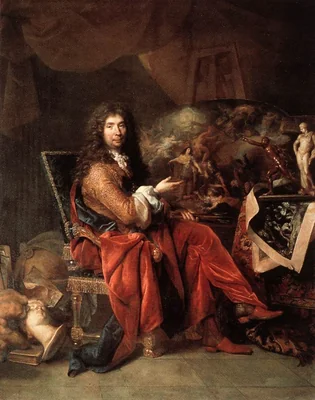
Charles Le Brun
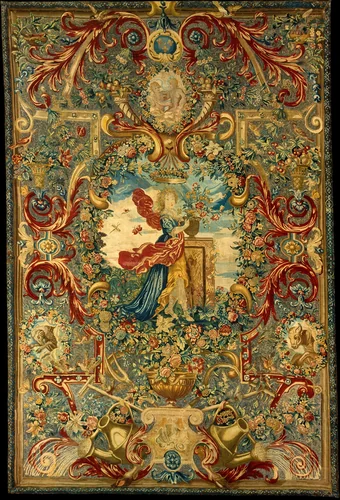
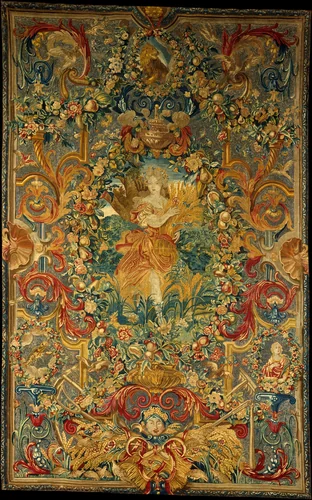
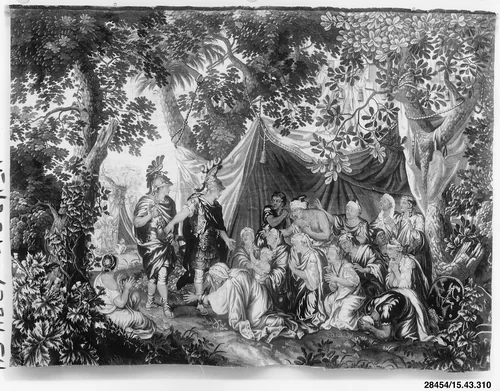
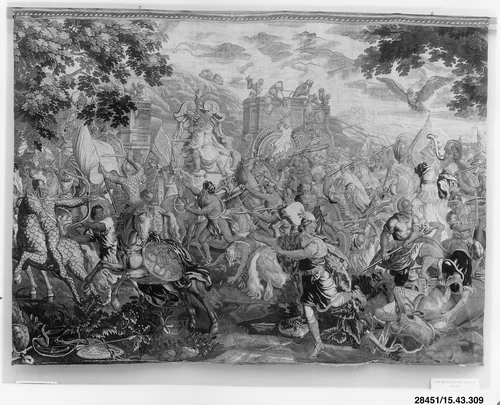
Charles Le Brun (1619–1690) stands as the definitive artistic figure of the reign of Louis XIV, serving not merely as a painter, but as the comprehensive artistic director of the French court. His authority was quickly cemented when the Sun King pronounced him “the greatest French artist of all time,” a high accolade that reflected Le Brun’s profound, systematic dominance over 17th-century French visual culture.
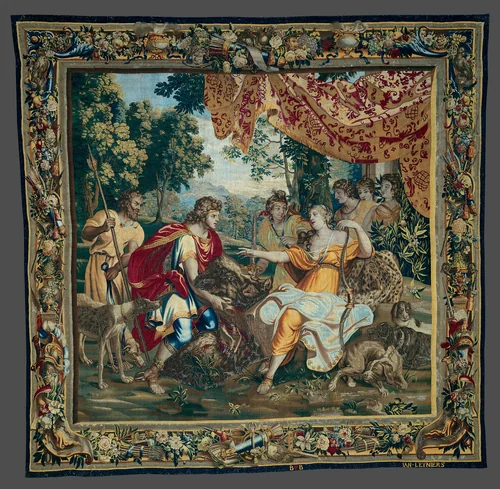
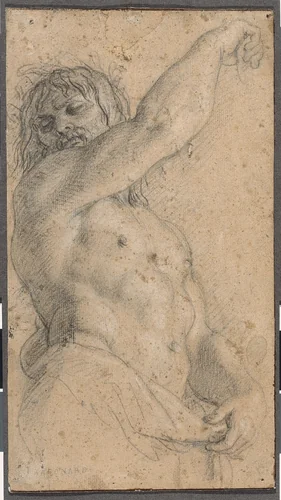
Deeply influenced by the classical rigor and narrative complexity of Nicolas Poussin, Le Brun excelled across disciplines. He was a proficient painter of monumental history scenes, such as Lot and His Daughters, and a skilled draftsman whose methodical preparations, including Head of an Old Man, reveal an exacting precision necessary for the grand scale of his commissions.
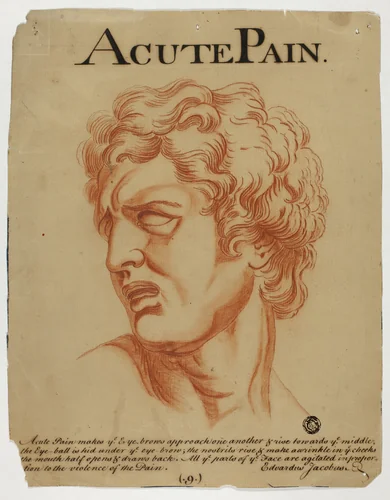
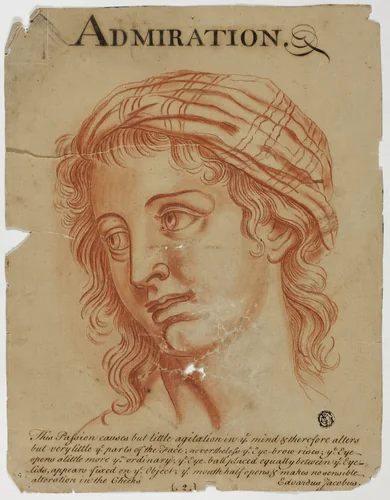
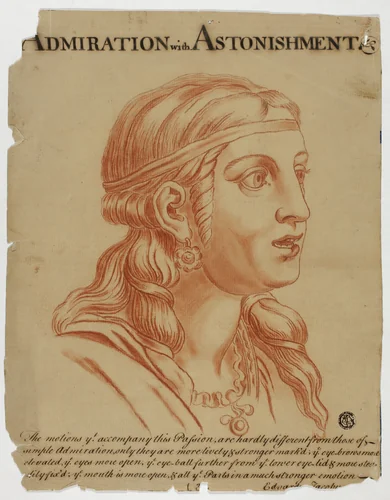
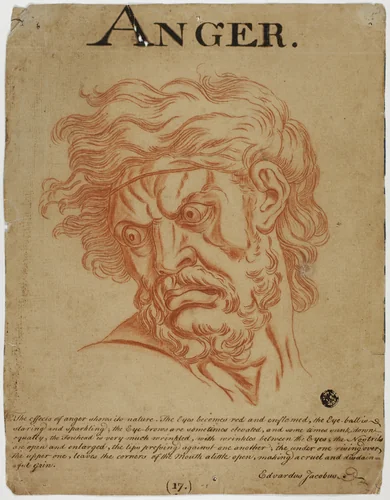
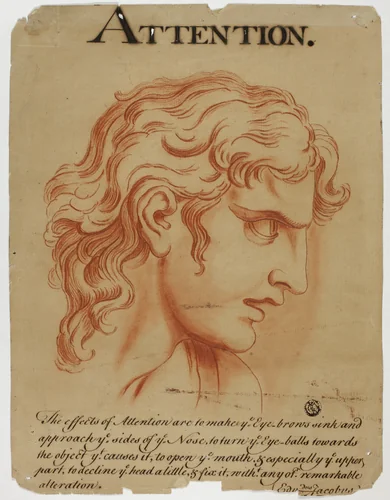
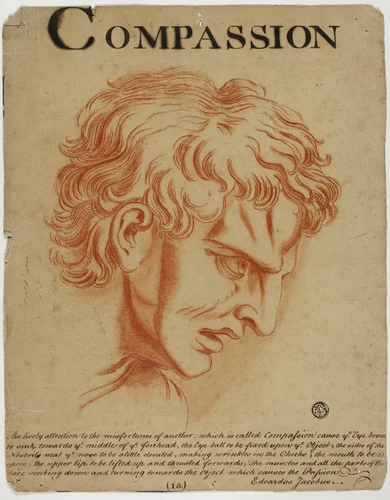
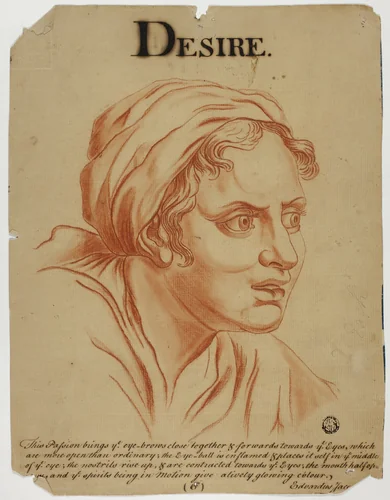
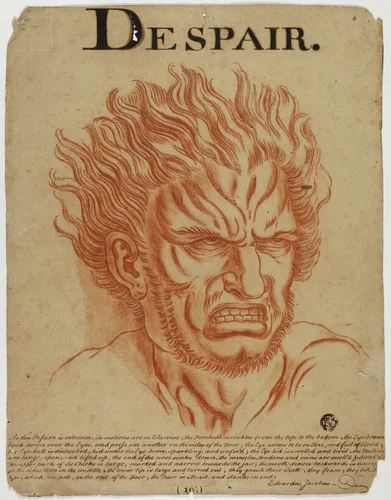
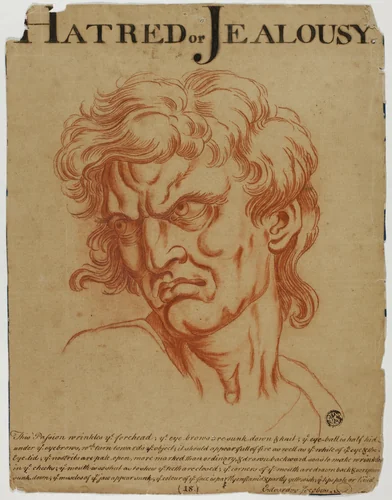
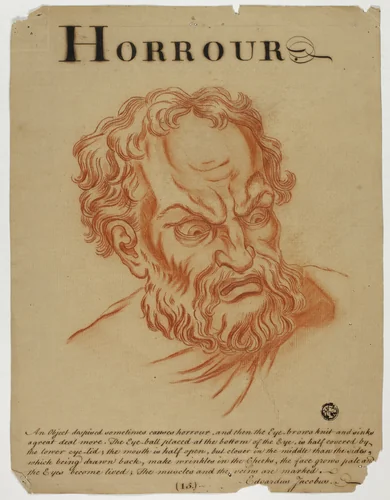
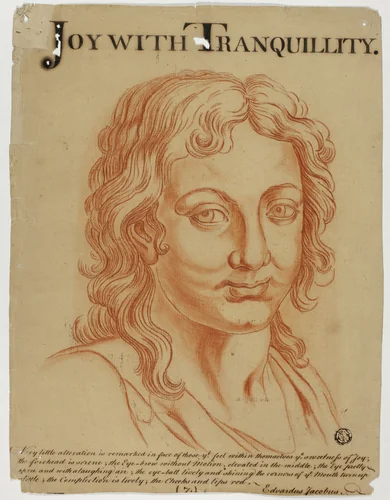
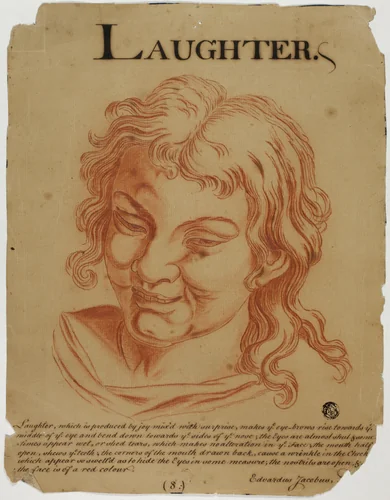
Critically, Le Brun’s influence was sustained by his roles as a physiognomist and art theorist. He devoted himself to codifying ideal classical forms, articulating a formal language that equated specific facial expressions and bodily attitudes with definable emotional states. This systematic approach provided the theoretical framework for much of the emerging French Baroque style. His adherence to these principles ensured that his compositions, whether the dramatic rendering Marcus Curtius Pluging into the Abyss or the mythological violence of Nessus, Deianeira and Hercules, prioritized clarity and academic structure above all else.
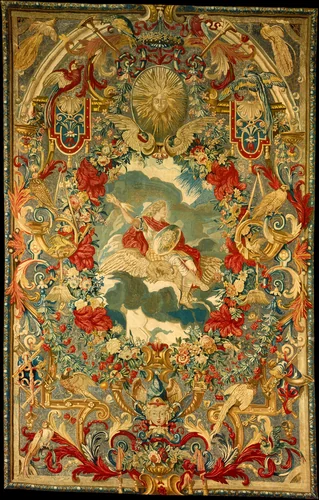
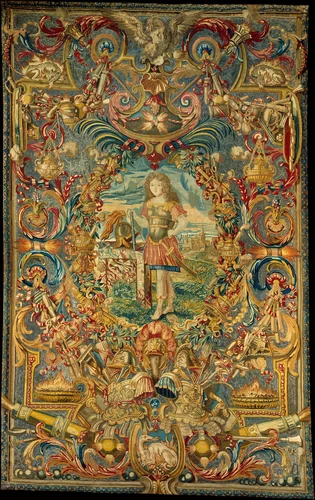
Le Brun was an organizational force, establishing academic control by serving as a director of the Royal Academy of Painting and Sculpture. This institutional power ensured that his classicizing aesthetic became the official style of the state, governing the production of everything from royal portraits to the decorative programs at Versailles. His capacity to manage massive artistic projects made him an administrator of organizational brilliance, a requirement for any artist seeking to control the visual output of the most ambitious European monarchy.
Today, researchers continue to study his output. Major institutions, including the Art Institute of Chicago, hold significant collections of his foundational drawings. Many important Charles Le Brun prints are now housed within the public domain, offering immediate accessibility. This availability ensures that students and enthusiasts alike can access high-quality reproductions of his disciplined classical vision through readily downloadable artwork.
Source: Wikipedia · CC BY-SA 4.0