Charles-Joseph Traviès
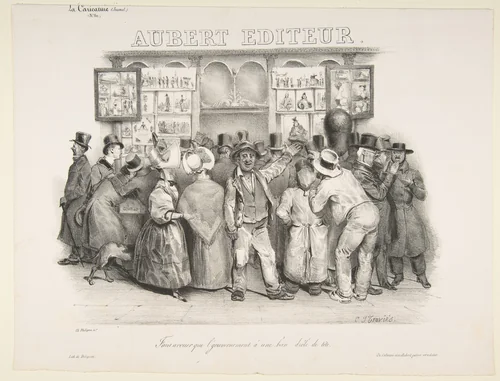
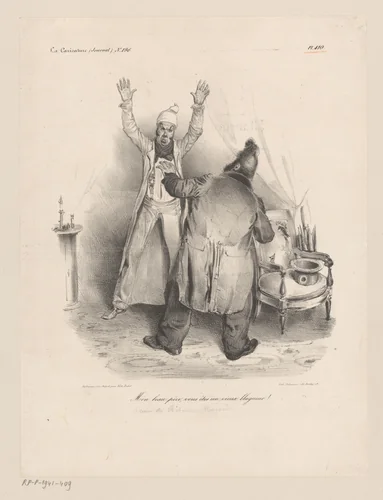
Charles-Joseph Traviès de Villers, known primarily by his surname, Traviès, was an indispensable figure in the golden age of French satirical lithography. A prolific Swiss-born painter, illustrator, and caricaturist, Traviès defined the visual landscape of Paris and its political frustrations during the transformative years of the July Monarchy. His work appeared regularly in the era’s most influential illustrated periodicals, including Le Charivari and La Caricature, establishing him alongside contemporaries who used ink and stone to scrutinize bourgeois society and its rulers.
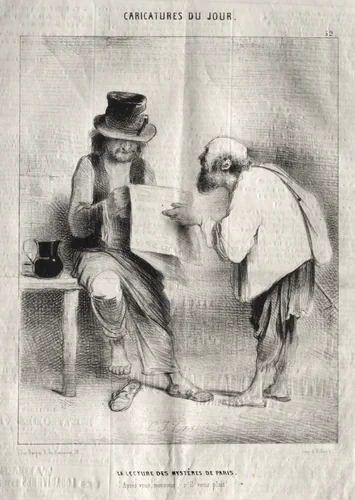
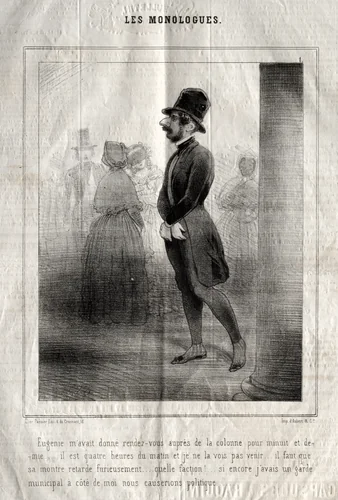
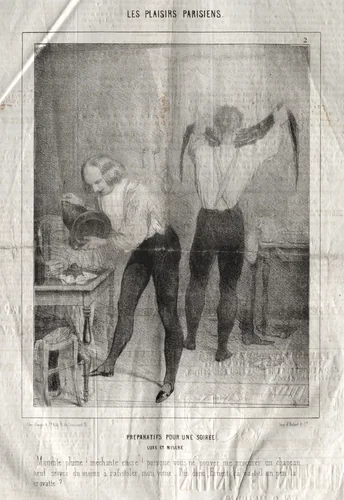
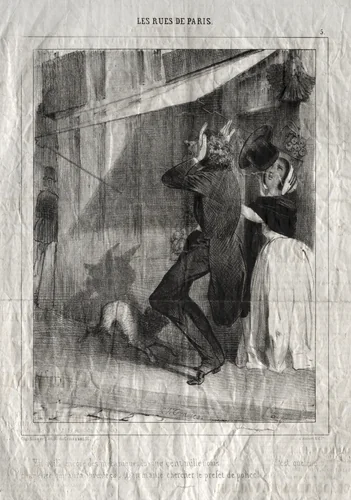
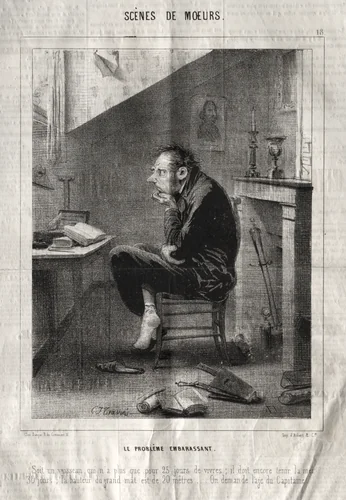
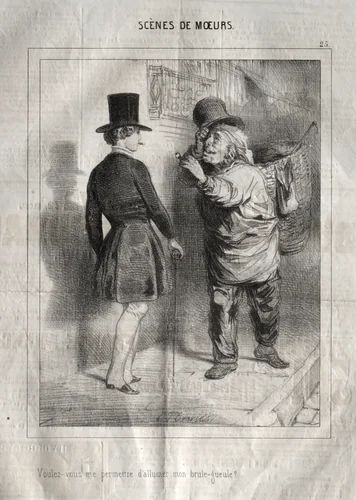
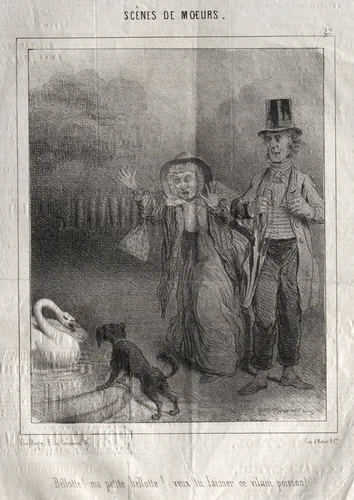
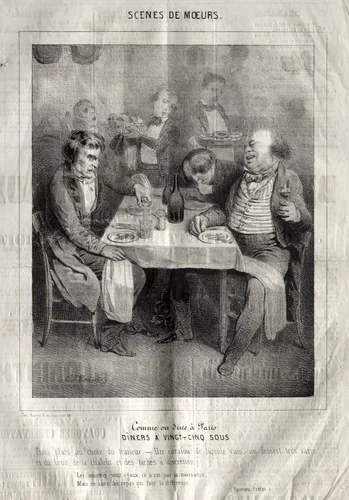
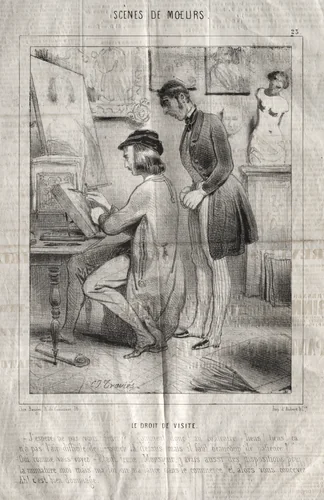
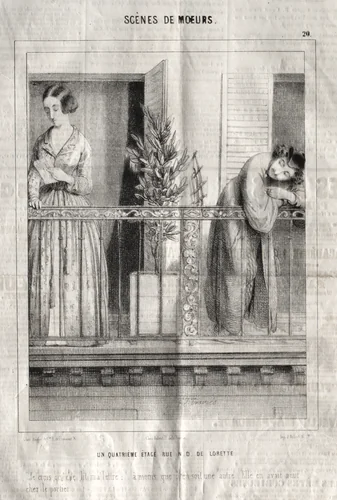
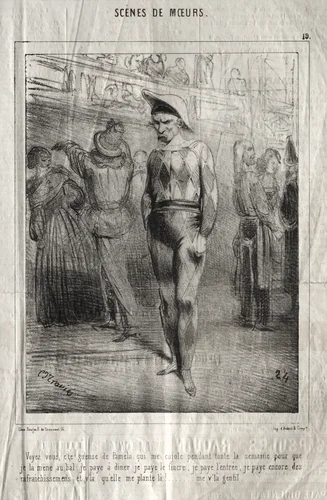
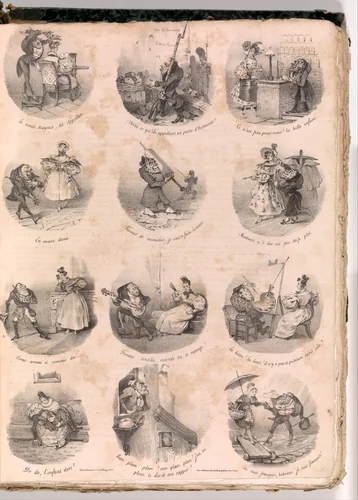
Traviès possessed a remarkable capacity for capturing the minor absurdities and underlying cruelties of daily Parisian existence. His active period, intensely focused around 1830 to 1834, produced essential character studies such as Les Monologues: Eugénie m'avait donné rendez-vous auprès de la colonne pour minuit et demie... and Les Rues de Paris, documenting the collision between emerging urban technologies and the entrenched misery of the working class. Works like Les Plaisirs Parisiens: Preparatifs pour une soiree. Luxe et misère directly addressed the era's economic duality, often with a pointed sympathy for those marginalized by the relentless advance of progress.
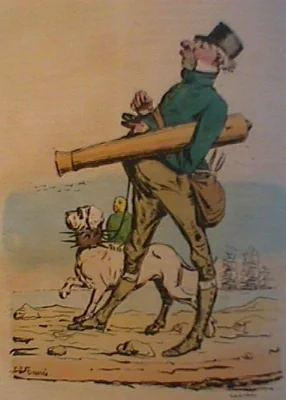
While Traviès engaged with traditional Charles-Joseph Traviès paintings, his enduring legacy rests firmly on his printed output. His visual compendium, Panthéon Musical, achieved immediate notoriety and remains one of the most famous and widely circulated musical caricatures of the entire nineteenth century, suggesting that Traviès’s talents extended beyond politics to include a keen ear for the discordant rhythms of artistic pretension. It is worth noting a detail often overlooked: his younger brother, Édouard Traviès, also pursued a career as a successful painter and illustrator, demonstrating a shared family artistic disposition.
Today, the historical value of Charles-Joseph Traviès prints is recognized globally, with significant collections held by institutions like the Metropolitan Museum of Art and the Rijksmuseum. Owing to their age and historical importance, much of Traviès’s oeuvre now resides in the public domain, providing researchers and enthusiasts with access to high-quality prints and downloadable artwork that continue to illuminate the complex social dynamics of early nineteenth-century France.
Source: Wikipedia · CC BY-SA 4.0