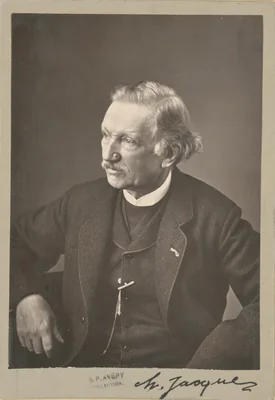
Charles Jacque
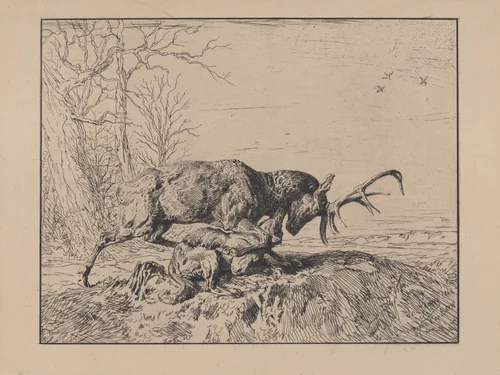
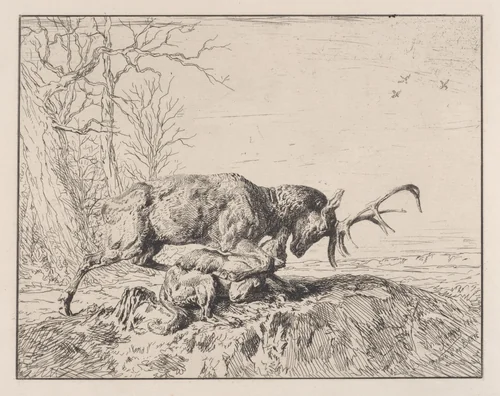
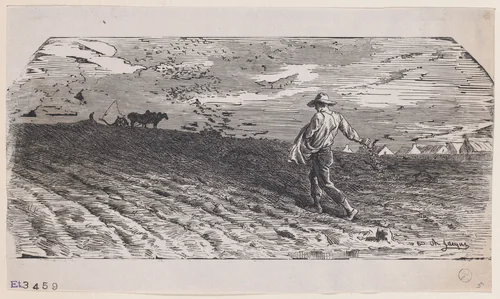
Charles-Émile Jacque (1813-1894) stands as a foundational contributor to the Barbizon School, celebrated both as a painter of Pastoralism and as one of the nineteenth century’s most technically astute etchers. Working in close association with Jean-François Millet, Jacque helped define the movement’s rustic aesthetic, shifting the focus of French landscape art from dramatic, idealized settings toward the humble reality of agricultural life.
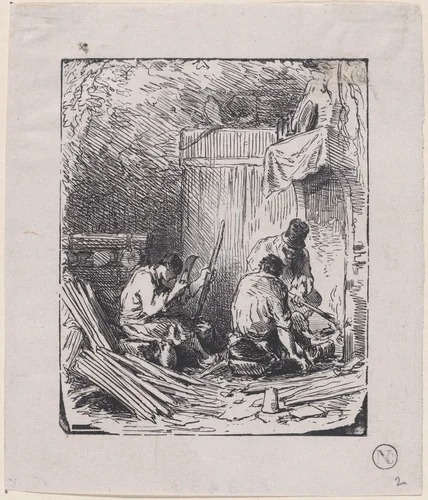
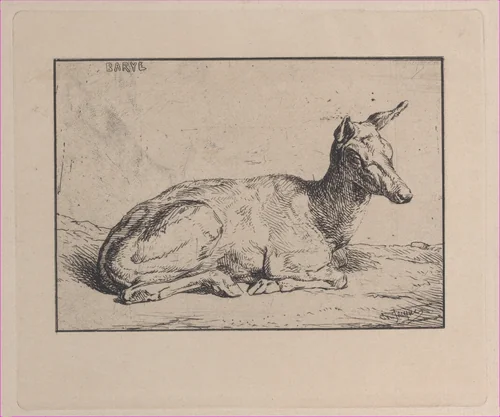
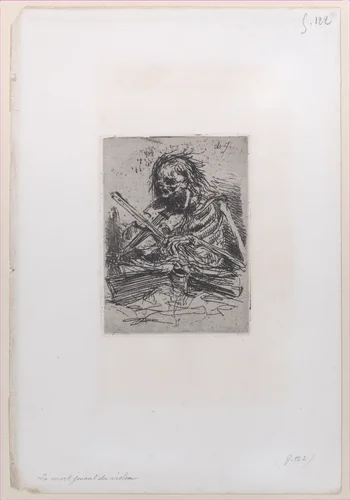
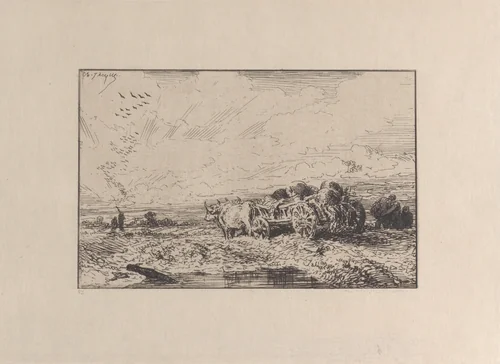
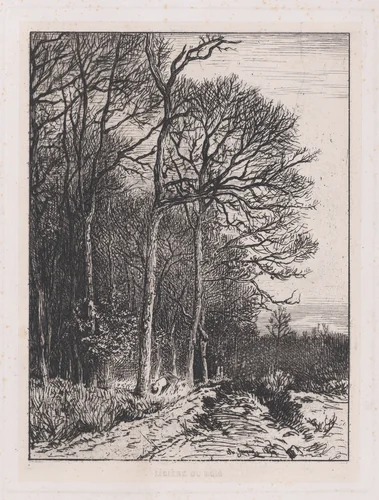
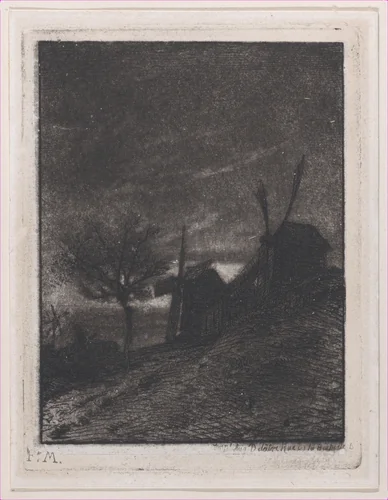
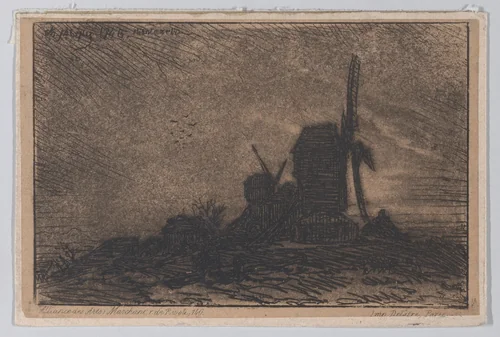
Jacque’s distinctive technical rigor originated not in the traditional academy, but in military service. He spent seven years in the French Army, where he acquired the exacting discipline of map engraving. This experience proved invaluable, granting him a mastery of line and shadow that would distinguish his graphic work throughout his long career. His prolific output of etchings and prints, sometimes reaching over four hundred documented pieces, established him as a key figure in popularizing the Barbizon vision among collectors and the wider public.
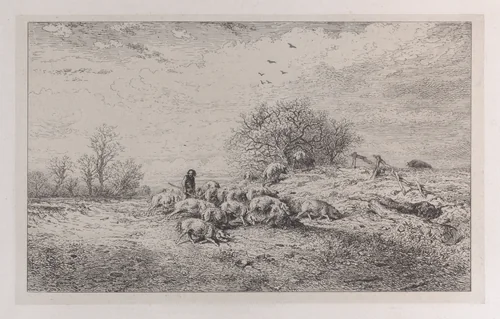
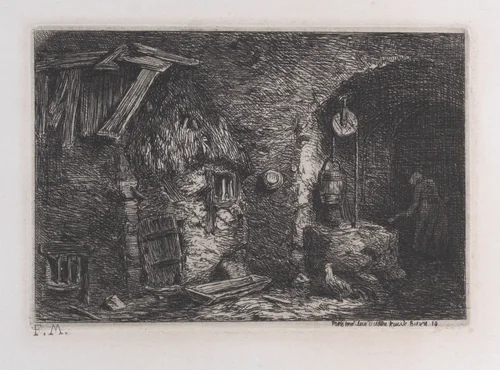
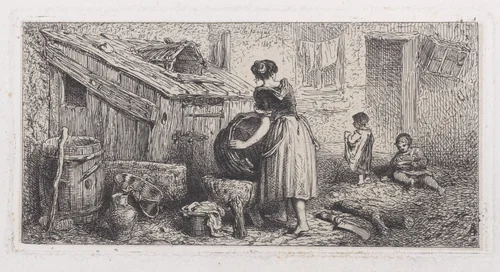
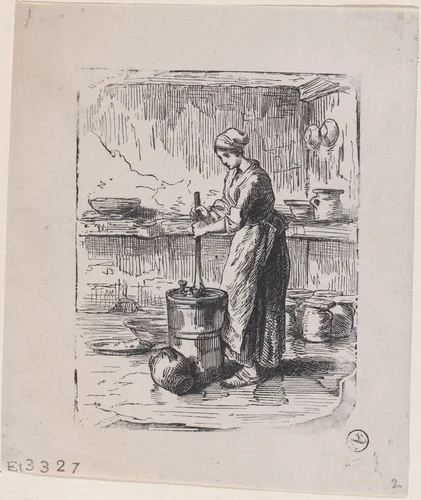
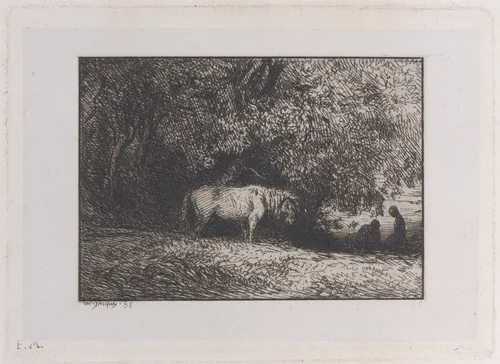
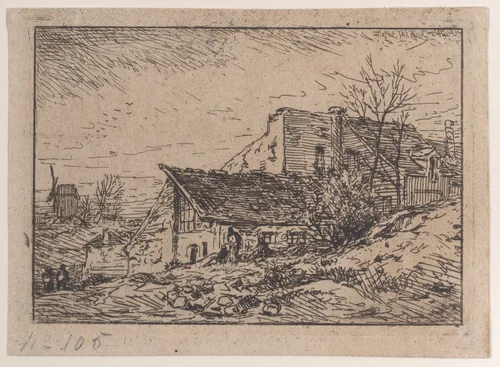
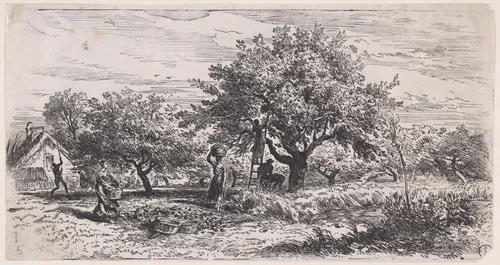
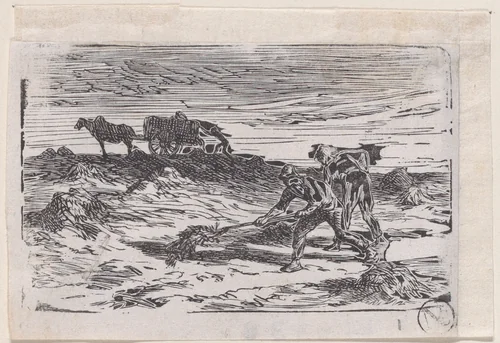
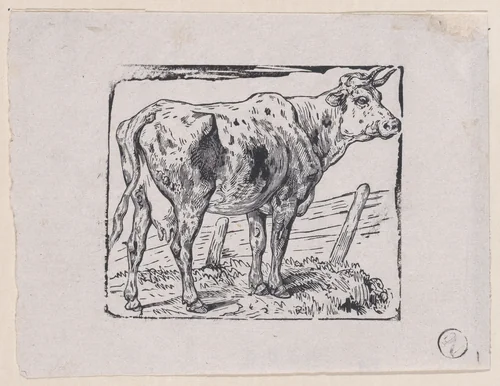
His subjects often centered on the immediate environment of the farm, earning him an informal reputation as "the painter of sheep." Works like Tending the Sheep and Coin de Ferme demonstrate his commitment to capturing the details of rural existence, emphasizing the textures of thatched roofs, the heavy coats of livestock, and the simple, everyday acts of labor. Unlike romantic predecessors, Jacque offered an observational, sympathetic view of the life contained within his scenes, characterized by an earthy palette and an avoidance of theatricality.
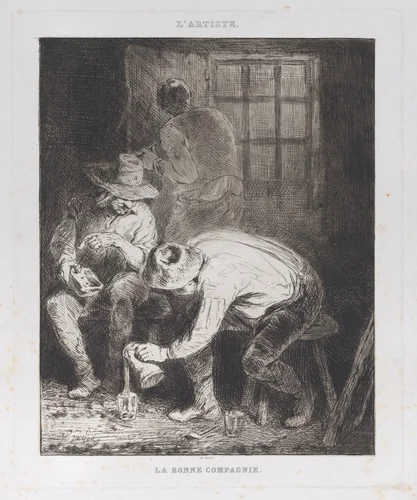
Though famous for his Charles Jacque prints, his paintings, which are fewer in number, demonstrate the same attention to light and realism found in his graphic studies. His canvases, such as the evocative Peasants Eating, are preserved in major collections internationally, including the Metropolitan Museum of Art. Because many of his works have entered the public domain, high-quality prints and downloadable artwork ensure that Jacque’s contribution to French realism remains readily accessible to contemporary audiences and scholars.
Source: Wikipedia · CC BY-SA 4.0