Charles Heath
Charles Theodosius Heath (1784-1825) was a foundational figure in the development of nineteenth-century British visual culture, operating simultaneously as a master engraver, a pioneering publisher, and a commercial illustrator. His career spanned the critical transition from copperplate techniques to the industrial application of steel engraving, a shift that dramatically increased the fidelity and circulation of images throughout the Anglo-American world.
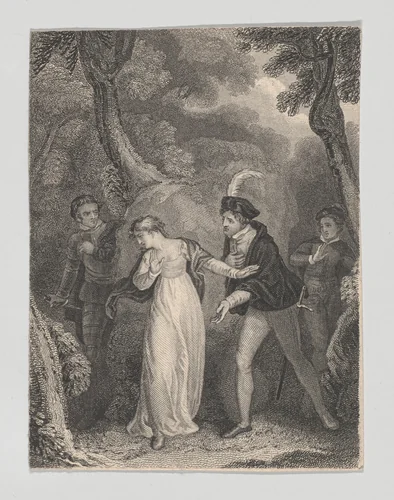
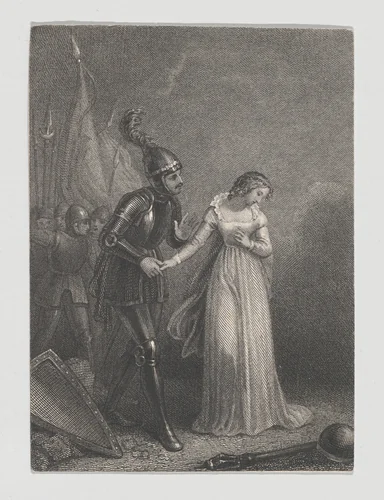
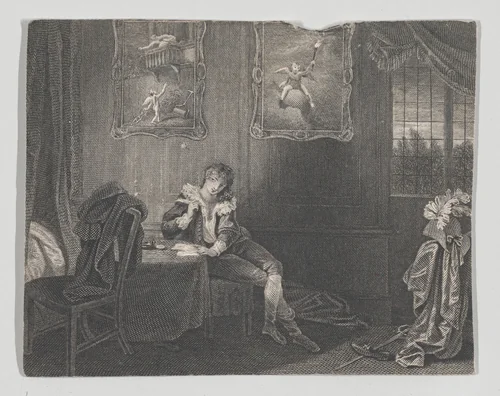
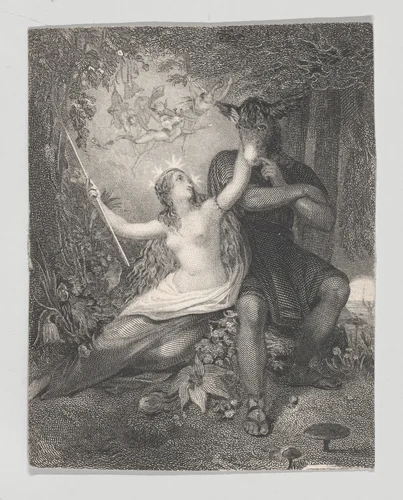
Heath’s technical proficiency provided the backbone for the era’s burgeoning illustrated book market. He specialized in producing meticulously detailed plates for literary annuals and gift books, genres that required illustrations of supreme technical polish and aesthetic appeal. His diverse output included sensitive portraiture, such as his representation of the philosopher Sir Francis Bacon, alongside classical subjects like Apollo as a Warrior, and intricate literary interpretations exemplified by his Illustration for Canto II. These works quickly became the standard references for depicting historical, mythological, and biographical subjects, often overshadowing the original paintings from which they were derived.
Beyond the execution of plates, Heath’s influence extended to the business of art dissemination. He leveraged his expertise in printing methods to become a notable currency and stamp printer, further demonstrating the seamless overlap between high art reproduction and commercial security printing during this period. For an artist whose livelihood depended entirely on mechanical reproduction, the greatest irony may be that his most profound artistic contribution lay in dissolving the distinction between the original and the perfect copy.
His mastery of line and tone ensured that the resulting images were of genuinely museum-quality, suitable for the major collections they now occupy, including the Metropolitan Museum of Art and the National Gallery of Art. Today, much of his historical illustrative work, particularly the meticulously rendered portraits and genre scenes, is available in the public domain. This accessibility ensures that scholars and enthusiasts worldwide can access these high-quality prints, continuing to study the sophisticated visual apparatus that defined Regency and early Georgian publishing.