Charles Grignion
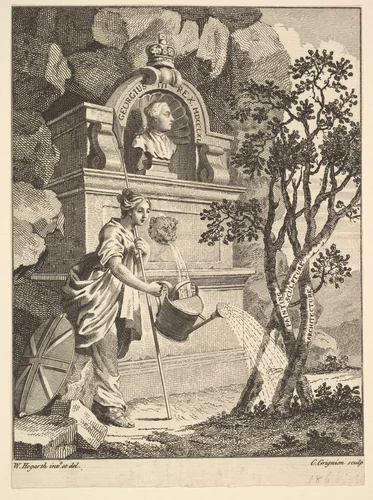
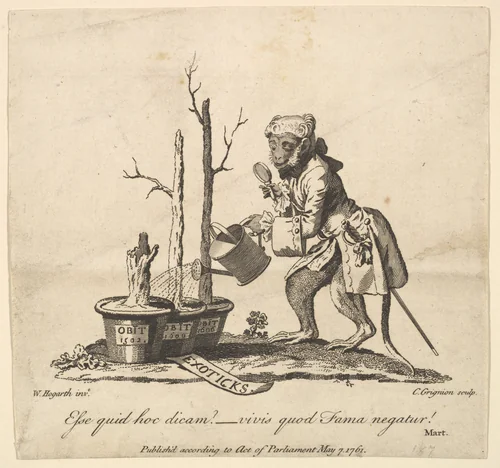
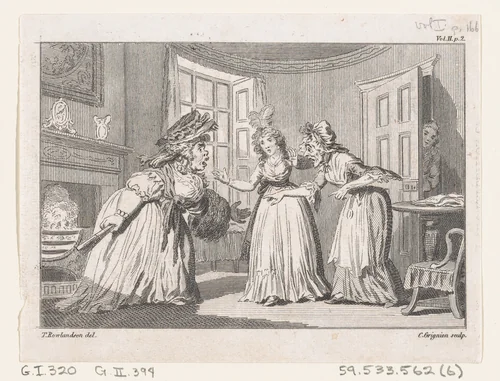
The name Charles Grignion represents a significant 18th-century contribution to British illustrative and graphic arts, encompassing two generations of practitioners: Charles Grignion the Elder (1721-1810) and Charles Grignion the Younger (1754-1804). The Elder, an accomplished engraver and draughtsman, maintained an active and remarkably sustained practice spanning nearly five decades (1748-1793), a longevity reflecting the sustained demand for high-quality book and reproductive illustration during the Georgian era. His fifteen documented prints, including crucial works held in major collections such as the Metropolitan Museum of Art, confirm his established position within the London art establishment.
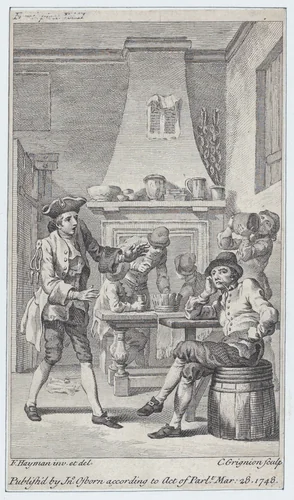
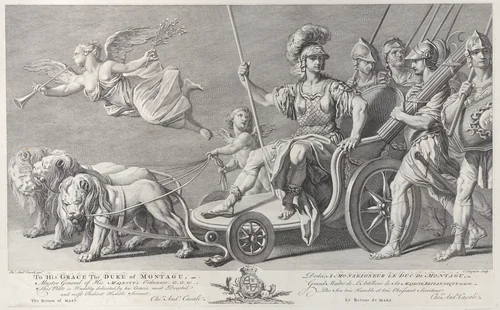
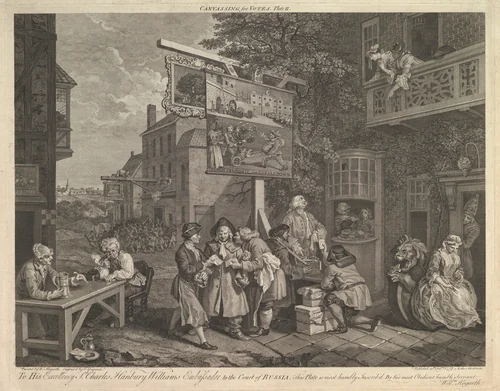
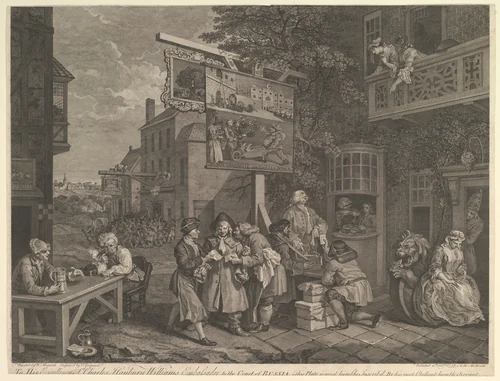
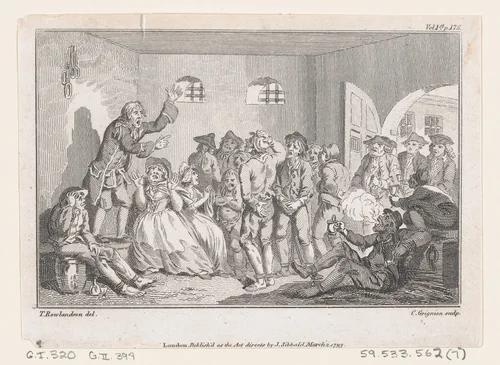
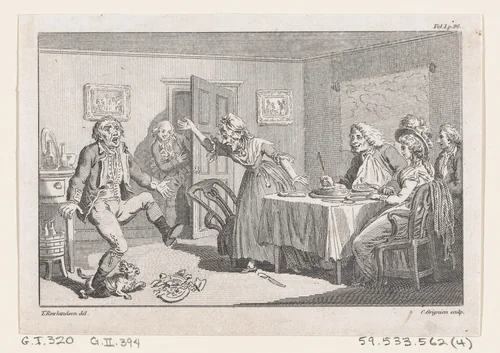
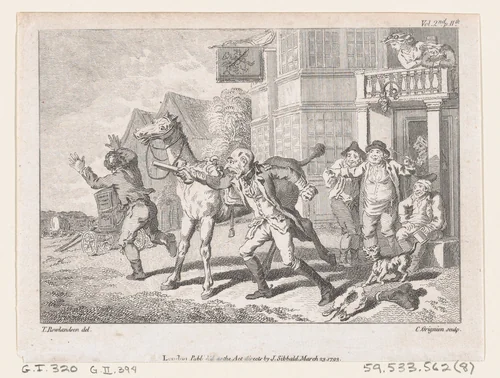
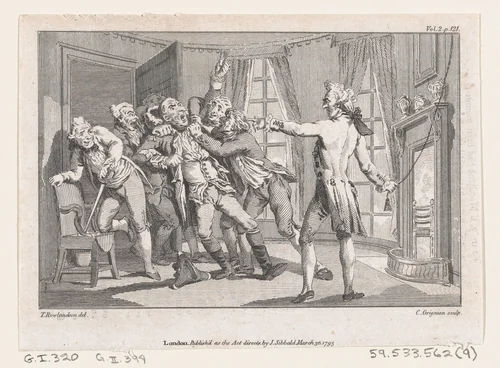
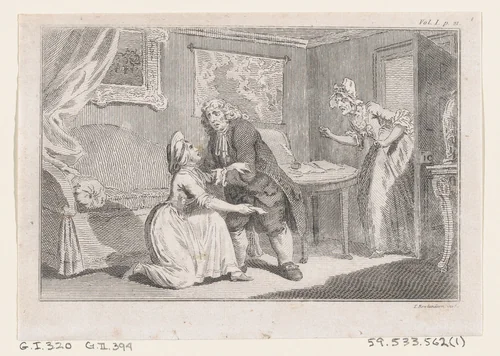
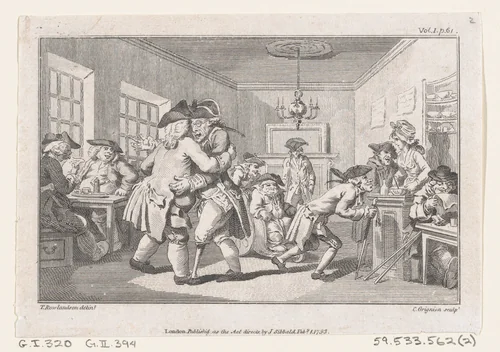
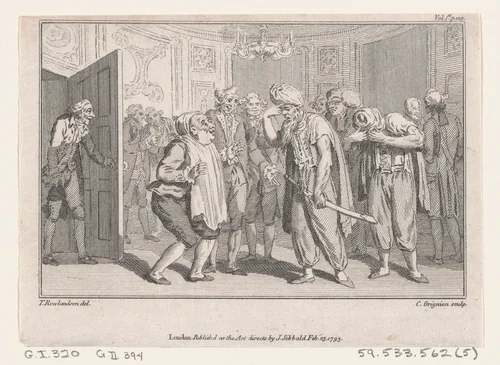
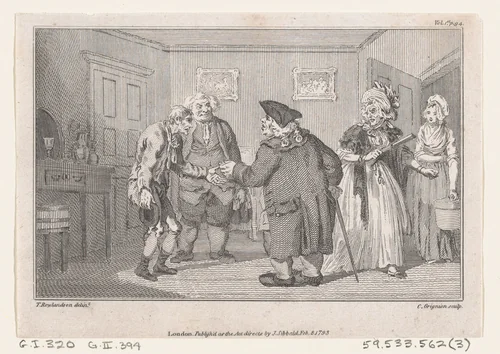
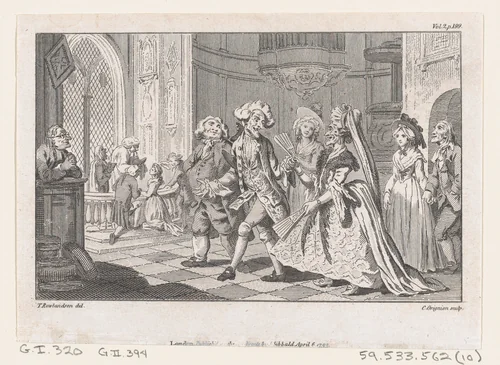
Grignion the Elder excelled in translating complex narrative and drama into the precise structure of line engraving. A prime example of his dexterity is the detailed Frontispiece to Tobias Smollett's "Roderick Random", which required capturing intricate literary scenes with the clarity suitable for mass publication. His capacity extended well beyond literary subjects, however, encompassing mythological and political themes. The majestic Mars on a chariot drawn by three lions demonstrates his sophisticated handling of classical iconography, while his work in the genre of socio-political commentary, exemplified by Canvassing for Votes, Plate II: Four Prints of an Election, places his output firmly alongside the era’s foremost commentators.
The existence of two artists active simultaneously and sharing the same name inevitably causes scholarly friction; Charles Grignion the Younger, who was trained as both a painter and an engraver, broadened the overall scope of the family’s artistic production. While the Elder defined the name through draughtsmanship, the Younger ensured the continuation of the lineage in fine art, though his specific contributions are often harder to isolate from his father’s body of work. The enduring, if occasionally frustrating, practice of familial naming conventions ensures that scholars are still carefully dissecting Grignion attributions.
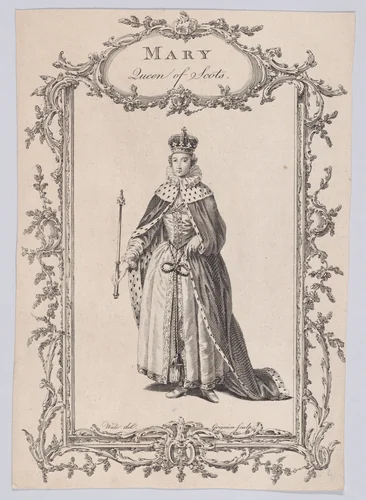
The collective output of the Charles Grignion artists offers a precise visual record of 18th-century British cultural life, spanning historical portraiture, such as Mary, Queen of Scots, and popular publishing illustration. Fortunately, much of this detailed graphic work survives. Today, many of these museum-quality historical documents, including the crucial Charles Grignion prints, are now accessible as public domain assets, allowing researchers and collectors to acquire downloadable artwork freely, ensuring the preservation of their detailed artistic legacy for contemporary audiences.
Source: Wikipedia · CC BY-SA 4.0