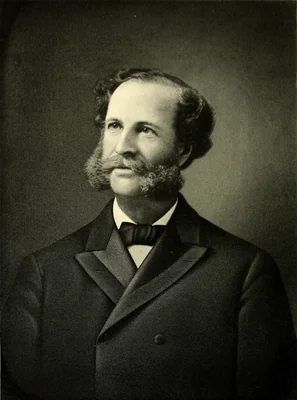
Charles Goodwin
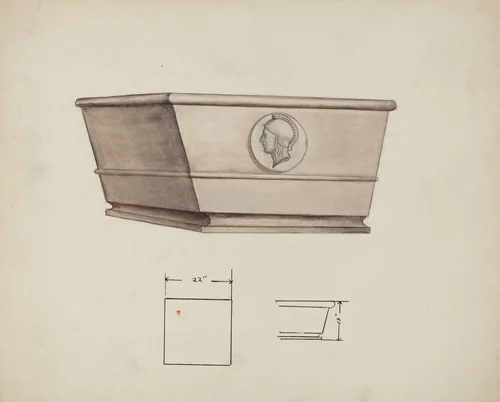
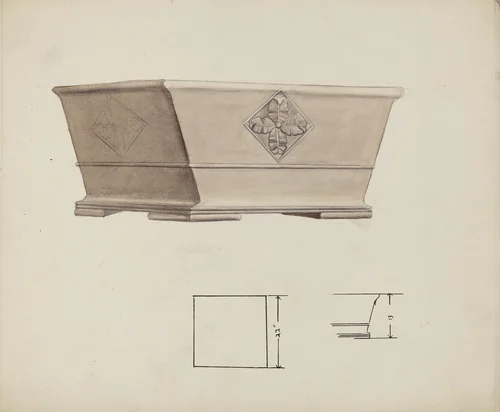
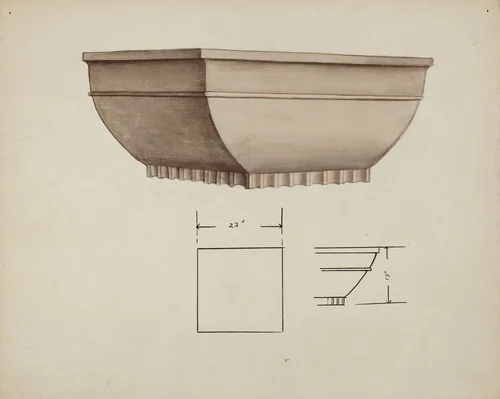
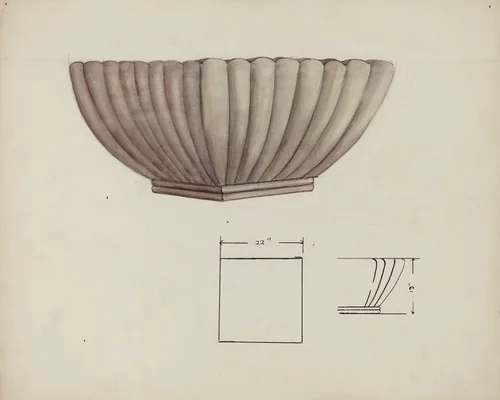
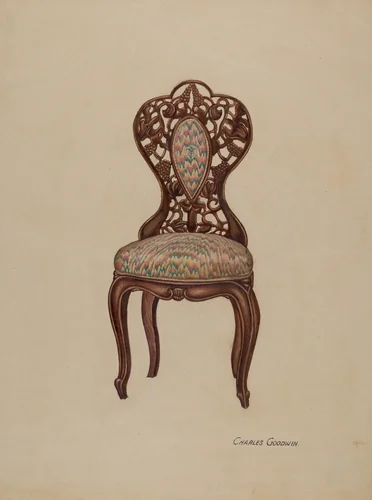
Charles Goodwin holds a unique and significant position in the history of American applied arts documentation, established principally through his precise renderings contributed to the Index of American Design (IAD). Active primarily between 1935 and 1940, during the ambitious tenure of the Federal Art Project, Goodwin served as a vital visual ethnographer. His charge was the preservation of American decorative arts heritage, recording the minutiae of domestic and utilitarian objects before they succumbed to degradation or obscurity.
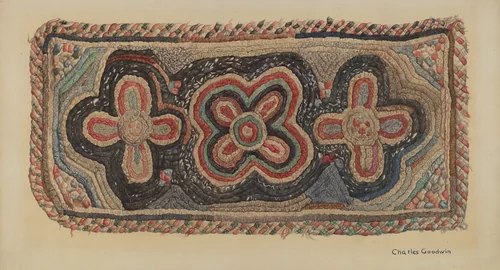
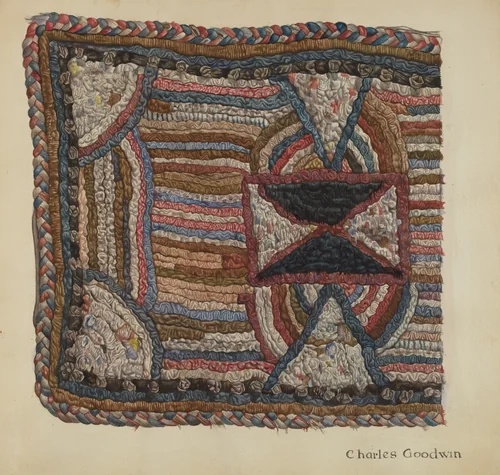
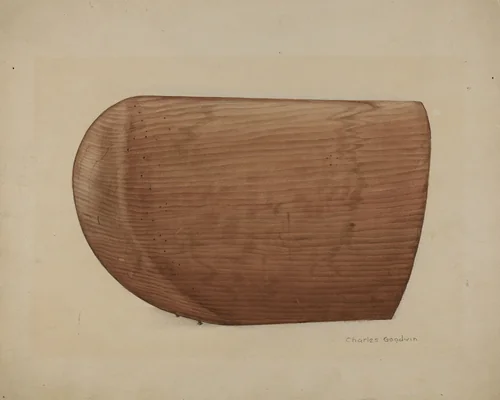
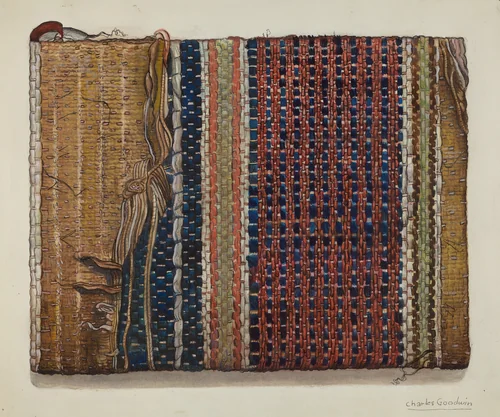
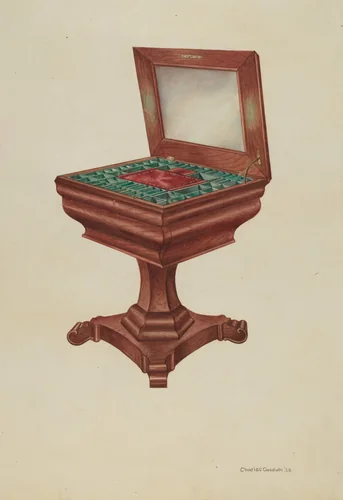
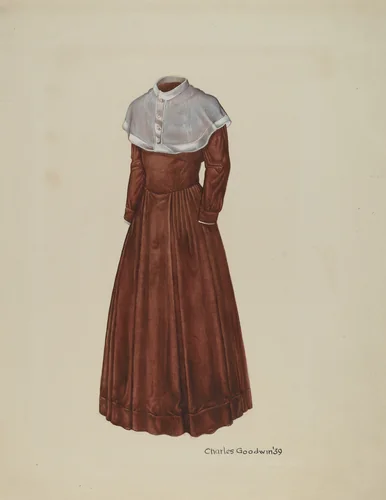
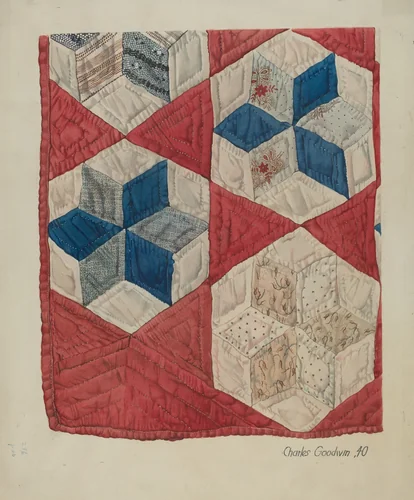
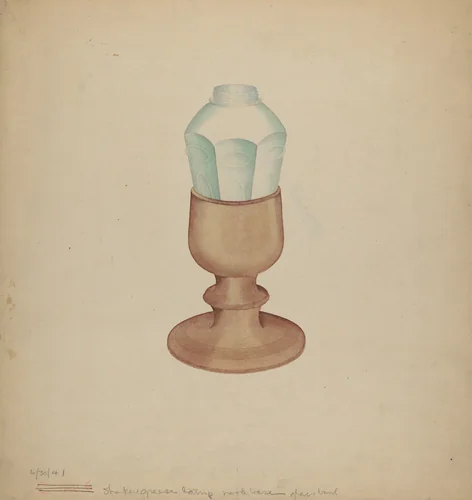
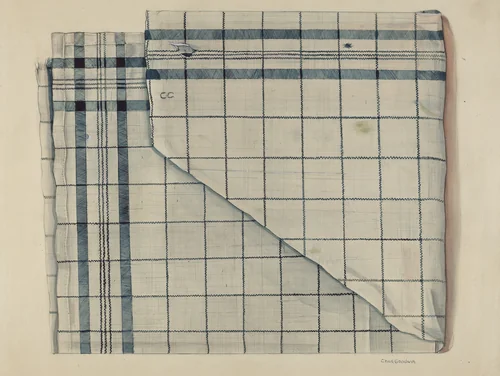
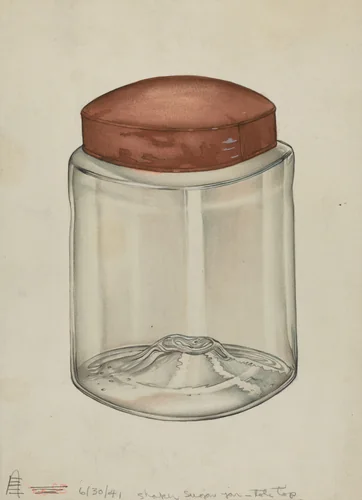
Goodwin’s contribution, comprising fifteen meticulously cataloged designs, reflects the IAD’s mandate to treat humble, pre-industrial craft with scholarly seriousness. His portfolio focused intensely on the functional and the geometric, demonstrating a profound technical respect for construction and form. A primary interest lay in documenting the sober, precise aesthetics of Shaker communities. Works such as the measured drawing of the Shaker Rug, the detailed pattern study of the Shaker Shirred Rug, and the structural accuracy of the Shaker Wooden Bonnet Mold reveal Goodwin’s commitment to technical draftsmanship over typical artistic interpretation. His surviving work suggests an individual predisposed to forensic accuracy, capable of transforming a mere artifact into a highly disciplined, educational document.
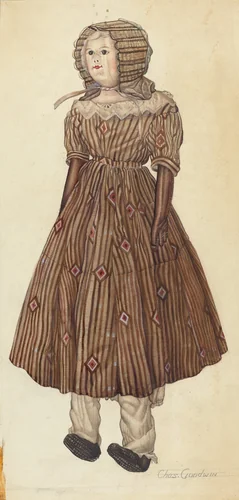
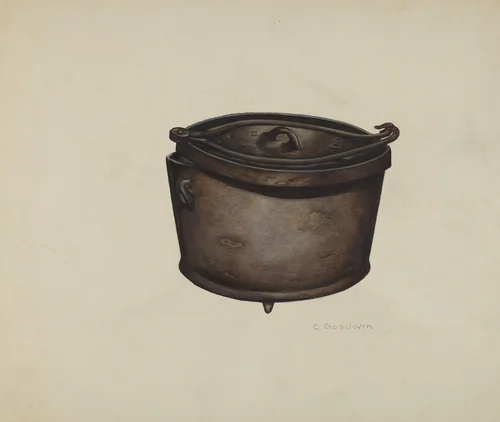
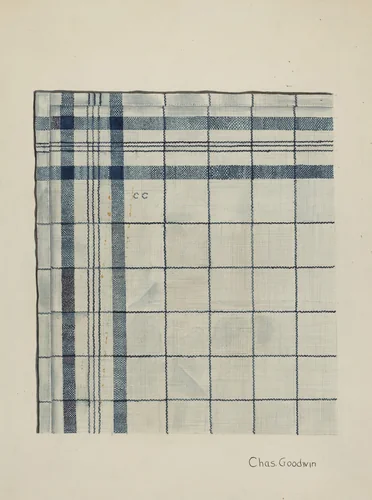
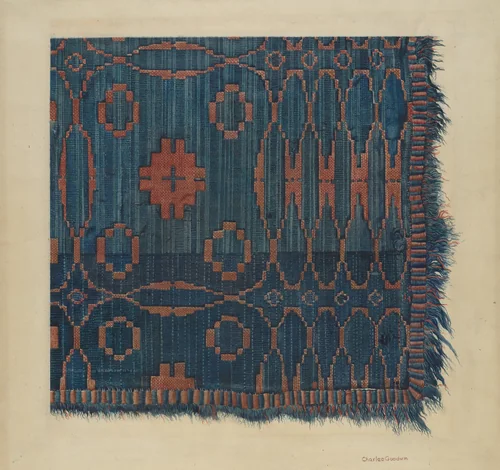
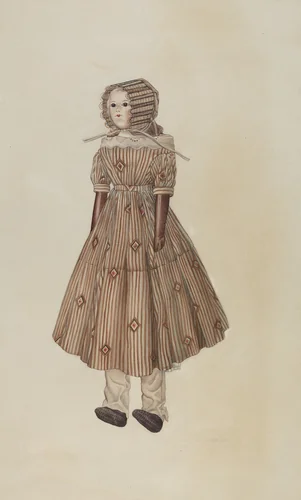
These renderings, frequently executed in tempera, watercolor, or gouache, elevated commonplace objects into museum-quality documents. The comprehensive impulse of the Index ensured that Goodwin’s studies of American vernacular objects, even pieces as evocative as the Wax Face Cotton Doll, were given the same institutional rigor as traditional fine art Charles Goodwin prints.
Today, a substantial body of Goodwin’s work is conserved within the permanent collection of the National Gallery of Art, a lasting record of Depression-era cultural retrieval. Due to their foundational origin within a federal program designed for public access and education, many of Goodwin’s original design renderings are fully in the public domain. This legacy makes his disciplined visual observations widely accessible to scholars and designers; these works, often available as downloadable artwork, continue to influence contemporary appreciation for American folk artistry.