Charles Fraser
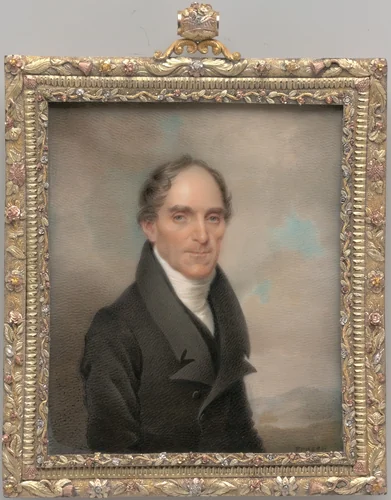
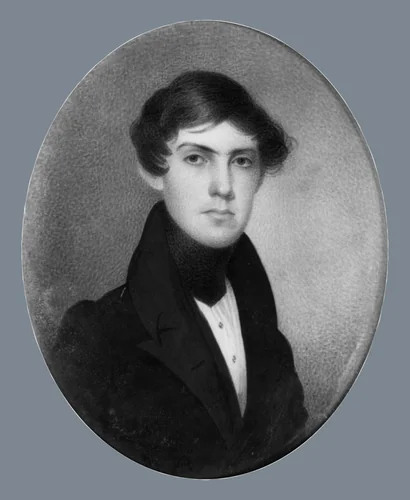
Charles Fraser (1782-1860) stands as one of the preeminent practitioners of miniature painting in early nineteenth-century America. To distinguish him from the many individuals who shared his name, this Charles Fraser mastered the delicate art of portraiture on ivory, capturing the likenesses of the Southern elite with remarkable precision between the 1810s and 1830s, primarily centered in the cultural hub of Charleston. His mastery of this challenging, intimate medium secured his place in the history of Federal-era American art.
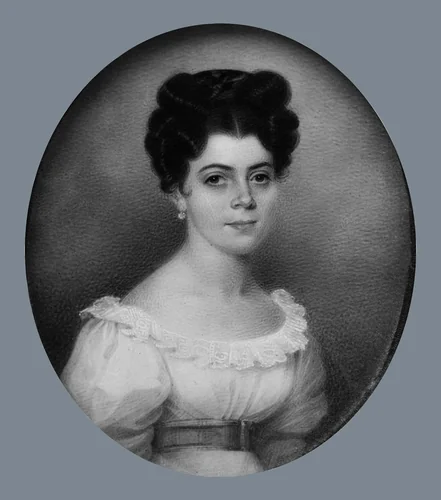
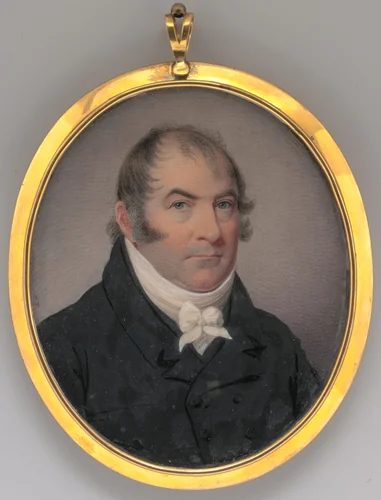
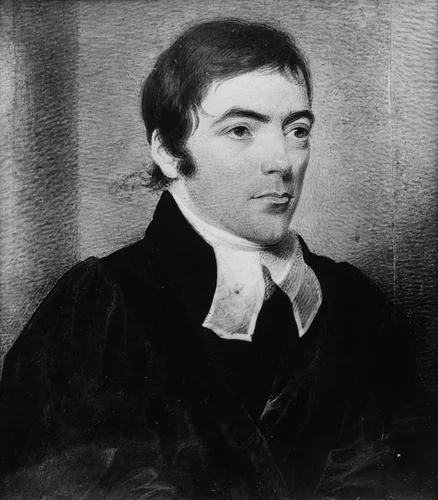
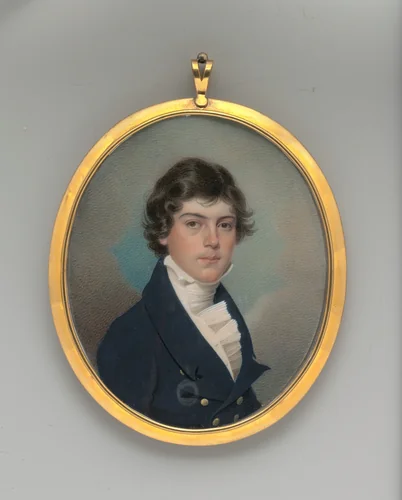
Miniature portraits served a critical function in the social and political fabric of the period, acting as intimate, portable keepsakes before photography democratized portraiture. Fraser’s oeuvre provides a focused, high-quality window into the established social order, depicting influential figures such as Colonel James Elliott McPherson, Dr. Francis Kinloch Huger, and Rev. Christopher Edwards Gadsden. His compositions, though rarely larger than a playing card, exhibit a sophisticated handling of light, shadow, and costume, using subdued, rich coloration characteristic of museum-quality works of the era. It is a genuine marvel of artistic focus that such intricate detail could be achieved within such restrictive dimensions, lending the works an enduring sense of quiet power.
Though Fraser was active during a time when many American artists were increasingly turning to the grander scale of oil painting, he maintained the relevance and technical excellence of the miniature tradition, working nearly up to the mid-century. The enduring quality of Charles Fraser paintings ensures their continued study in major institutions today, including the Metropolitan Museum of Art.
His detailed works, such as the compelling portrait of Mrs. Jean Pierre Barre, solidified his reputation among contemporary patrons. Many of these important historical records, now preserved in institutional collections, are increasingly accessible to a global audience. Through digitization efforts, several high-quality prints of his artwork are now available, ensuring that this tradition of meticulous early American portraiture remains visible in the public domain for both scholars and enthusiasts.