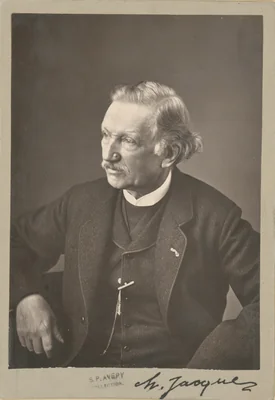
Charles-Émile Jacque
Charles-Émile Jacque (1813-1833) stands as a foundational figure in the Barbizon School, renowned equally for his compelling oil paintings of rural life and his exceptional technical mastery of printmaking. Alongside his close contemporary, Jean-François Millet, Jacque helped establish the French movement of Pastoralism, fundamentally shifting artistic focus from traditional history painting toward the immediate realities and subtle dramas of the agricultural landscape and the peasant experience.
Jacque’s meticulous technical skill in etching and engraving, which later distinguished his high-quality prints and earned him wide acclaim among collectors, derived from an unexpected source: the military. Before committing fully to art, Jacque spent seven years in the French Army, where he acquired the discipline and precision necessary for map engraving. It is an interesting, though often overlooked, fact that one of the great proponents of rustic sincerity honed his early craft meticulously charting military geography. This exacting background provided him with the control and textural nuance required to execute powerful studies such as A Shepherd with His Flock and the atmospheric depiction, Bringing in the Sheep.
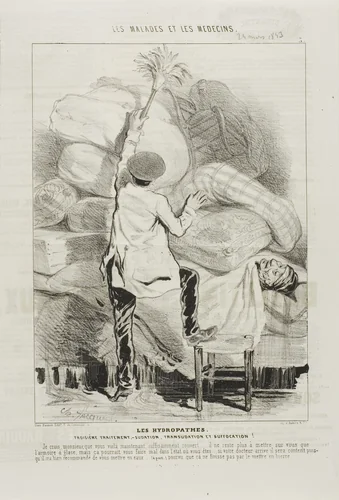
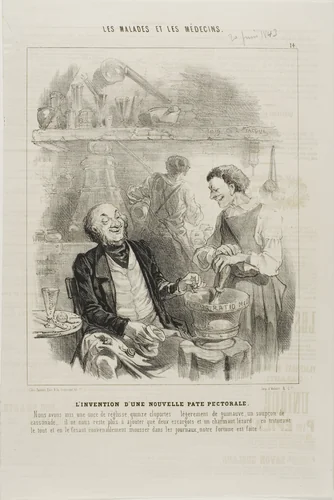
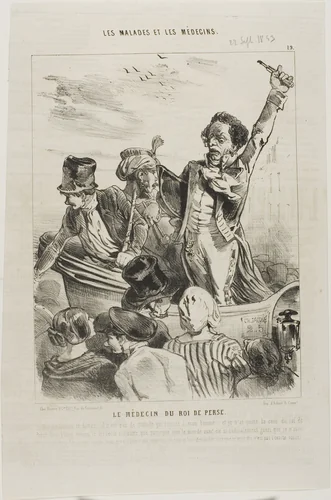
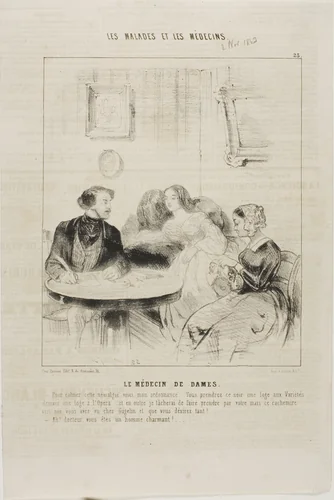
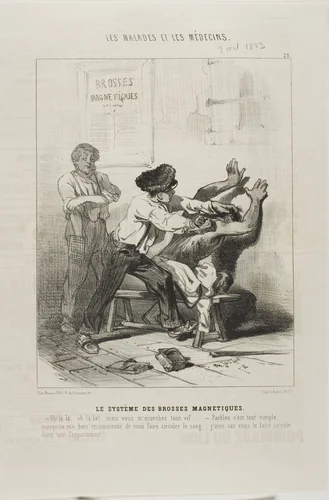
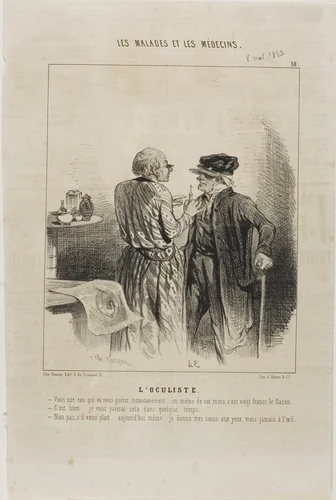
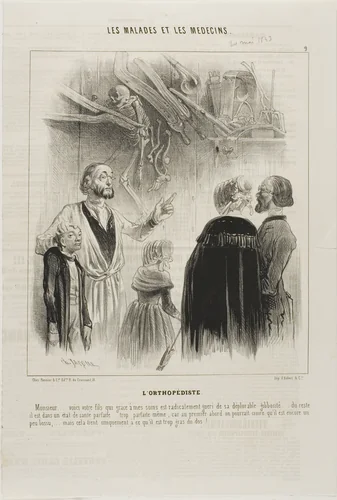
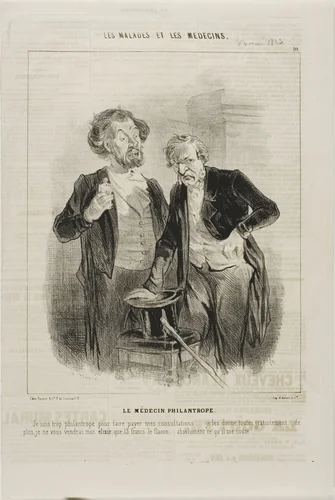
While often categorized as a painter of the rural scene, Jacque’s most historically significant contributions lie in the graphic arts. He was celebrated for his unique ability to capture light and textural detail through line work, whether depicting the stark, romantic architecture in A Castle or the expansive sweep of Landscape with a Flock of Sheep. His subjects occasionally extended beyond agrarian scenes, evidenced by the inclusion of historical themes like A Royalist Encampment, demonstrating a versatility often missed in analyses focused solely on his farmyard studies.
Jacque’s commitment to documenting the vernacular rural environment proved highly influential on subsequent generations of realist artists. His body of work, comprising numerous drawings, paintings, and etchings, is held in major international institutions, including the Cleveland Museum of Art and the Art Institute of Chicago, securing his position as a crucial figure in nineteenth-century French realism. Because of his period of activity, many of the Charles-Émile Jacque prints and etchings are now available in the public domain, offering museums, scholars, and enthusiasts widespread access to downloadable artwork for study and reproduction. His lasting legacy rests on successfully bridging academic rigor with a profound, palpable empathy for the life of the French countryside.
Source: Wikipedia · CC BY-SA 4.0