Charles de La Fosse
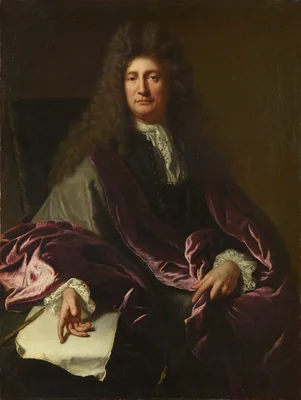
Charles de La Fosse (1645-1750) was a profoundly influential French painter, born in Paris, whose remarkable longevity meant he was active for an astounding 105 years. Spanning the entire reign of Louis XIV and extending into the middle of the eighteenth century, La Fosse anchored the critical transition between the high classical Baroque style and the emerging Rococo. He was not merely a survivor of these shifting tastes, however; he was crucial in refining the grand decorative tradition, ensuring complex narrative painting remained a central pillar of French artistic production.
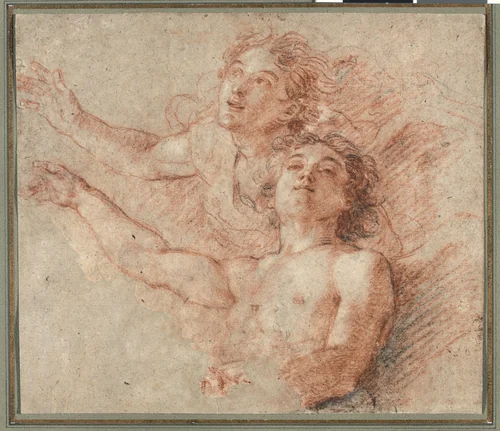
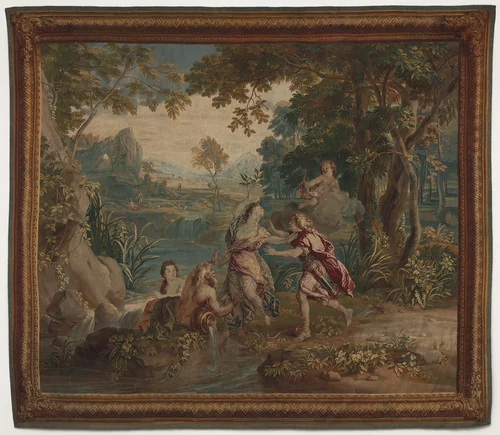
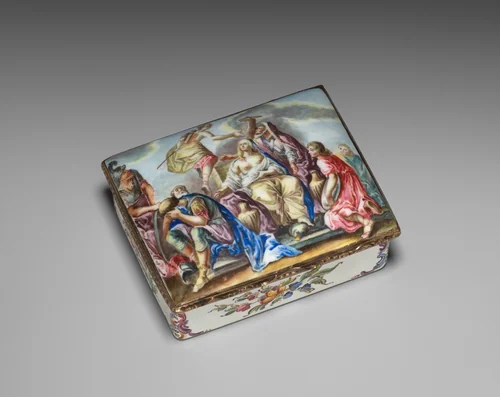
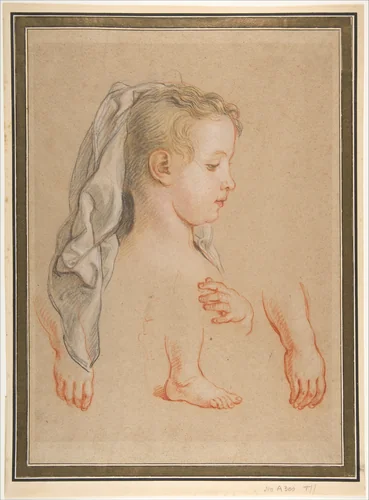
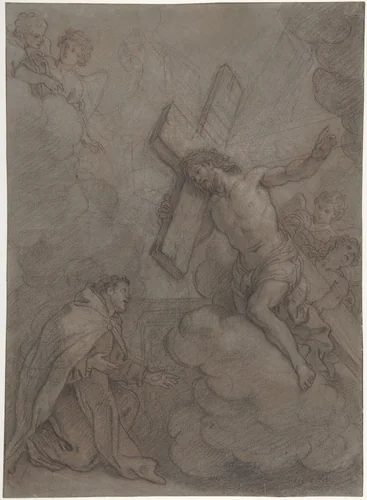
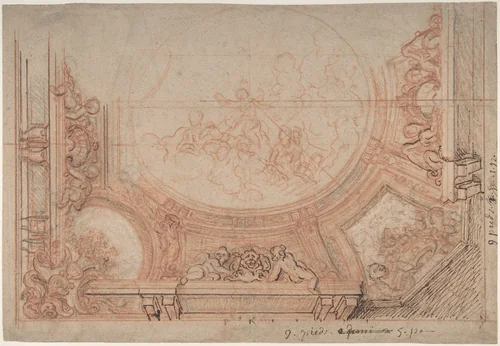
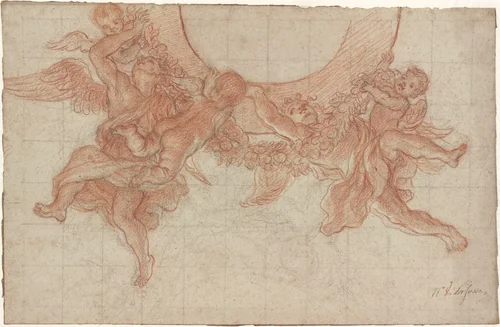
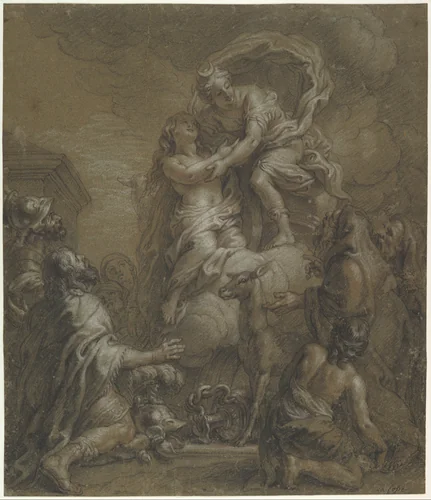
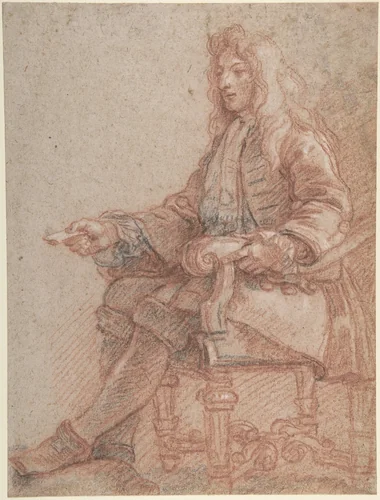
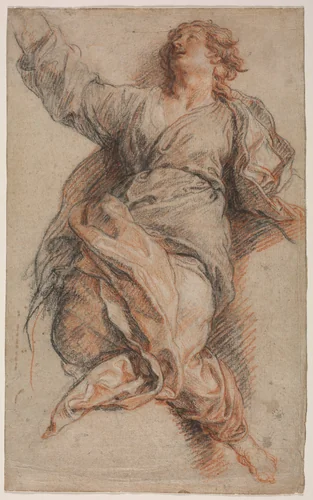
His surviving studies and finished works reveal a master concerned equally with monumental composition and intimate anatomical detail. Examples such as his Head of a Young Girl and Studies of Hands and of her Right Foot demonstrate a rigorous academic training, essential for executing the vast mythological and religious narratives then in vogue. The artist specialized in large-scale decorative projects, often providing the initial conceptual framework, as seen in the highly dynamic Design for the Decoration of a Ceiling and the airy composition of Angels and Putti Flying with a Garland: Design for a Ceiling. These Charles de La Fosse paintings successfully merged deep religious piety, particularly evident in The Vision of St. John of the Cross, with classical drama, exemplified by the potent subject of the Sacrifice of Iphigenia.
La Fosse maintained an active and influential studio well into his later years, providing a stable classical foundation upon which newer, lighter styles could confidently evolve. His lasting reputation is solidified by the presence of his characteristic decorative works and expressive studies in prestigious American institutions, including the Metropolitan Museum of Art, the National Gallery of Art, and the Art Institute of Chicago, testifying to his enduring museum-quality relevance. His contributions ensured that subsequent generations continued to respect the formal rigor established during the height of the classical period. Today, many of his masterful designs are in the public domain, available as high-quality prints and downloadable artwork for scholars and enthusiasts alike.
Source: Wikipedia · CC BY-SA 4.0
![Two Young Women Seated on the Ground [recto] by Charles de La Fosse, drawing, 1695-1703](https://img.artbee.org/be141fa9-ff5a-418d-aafe-606e31ab540b/small.webp)
![Young Woman Kneeling and Reaching Forward [verso] by Charles de La Fosse, drawing, 1695-1703](https://img.artbee.org/faa8dcbf-540e-401f-b506-7529ad6ab010/small.webp)