Charles David
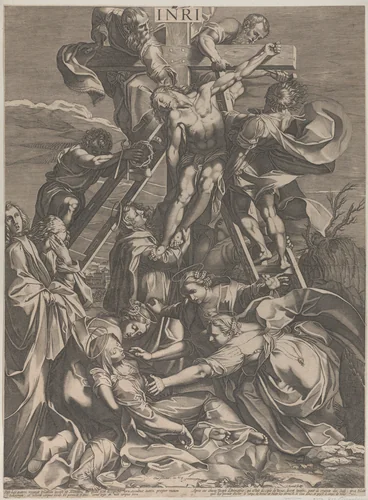
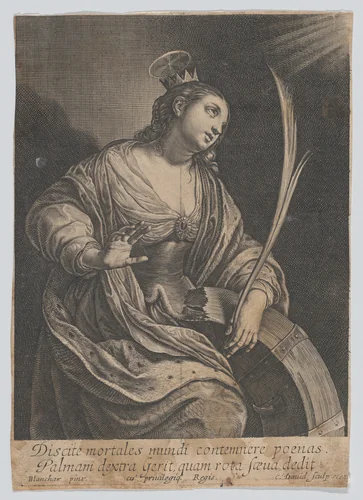
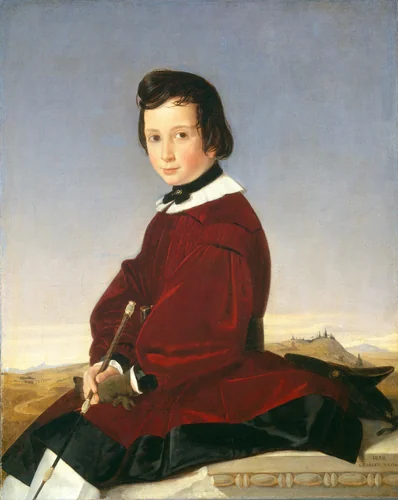
The artistic entity known as Charles David is recognized today primarily through a small but significant corpus of graphic work, principally consisting of seven known prints and a single associated painting. These works, securely held in cornerstone institutions such as the National Gallery of Art, the Metropolitan Museum of Art, and the Rijksmuseum, confirm an enduring impact within the history of European graphic arts despite the relative scarcity of biographical detail.
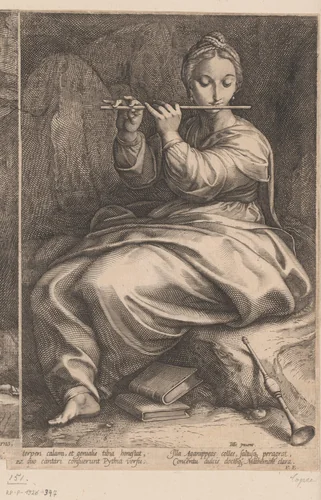
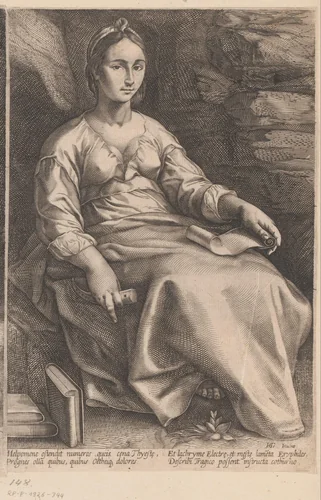
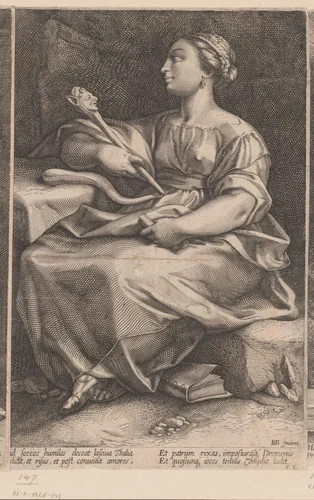
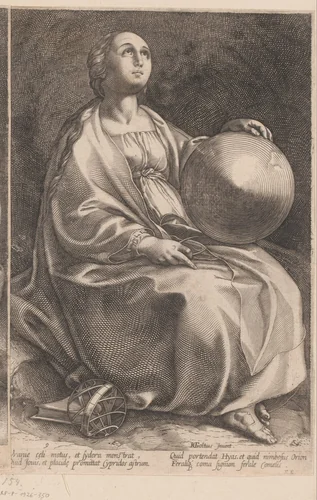
David’s extant output is documented across a remarkable chronological range, from 1600 to 1839, suggesting either a vast personal longevity, a confusion of records, or, more likely, a prolific workshop tradition or lineage whose collected output maintained consistent thematic and technical standards over two centuries. The works themselves are rooted firmly in classical and historical themes. A critical series focuses on four of the classical Muses: Euterpe (Music), Melpomene (Tragedy), Thalia (Comedy), and Urania (Astronomy). These detailed copperplate or etching works demonstrate a mastery of line and shadow, lending the figures an imposing monumentality characteristic of the era’s finest draftsmanship.
The artist’s approach to these allegorical figures favored classical sobriety and formal precision, ensuring the production of museum-quality images suitable for educational and decorative purposes across the Continent. The high quality and durability of Charles David prints ensured their widespread dissemination.
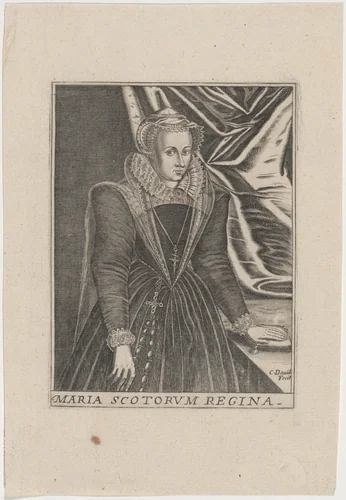
Perhaps the most compelling of the known works is the historical portrait print, Mary, Queen of Scots. Executed with a precision that borders on forensic detail, this print serves as a potent reminder of the enduring market for political and historical portraiture. It is intriguing that an artist associated with the idealized forms of classical mythology also dedicated such meticulous effort to a figure whose life was marked by extreme political turbulence.
While detailed personal records remain elusive, the sustained presence of David’s surviving works in prestigious global collections speaks to their inherent artistic merit. The seven known prints and single example of Charles David paintings collectively represent essential documentation of graphic arts during a period of intense artistic transition. Today, many of these historical images are in the public domain and widely accessible as downloadable artwork, ensuring that the legacy of David’s compelling visual output continues to influence study and appreciation.
Source: Wikipedia · CC BY-SA 4.0