Charles Clifford
Charles Clifford (1820–1863) stands as one of the most vital figures in the early photographic documentation of Spain, an achievement that cemented his place within the history of nineteenth-century European visual culture. Active primarily between 1849 and 1860, the Welsh photographer specialized in grand architectural studies, creating an invaluable visual record of historic Spanish sites just as the demanding wet-plate collodion process matured.
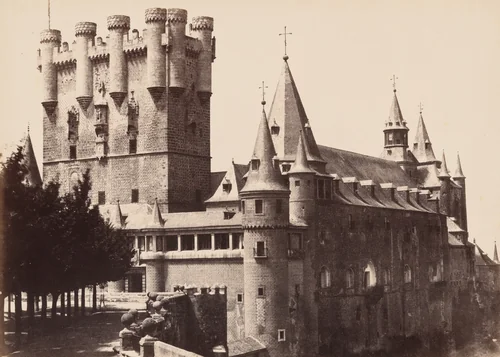
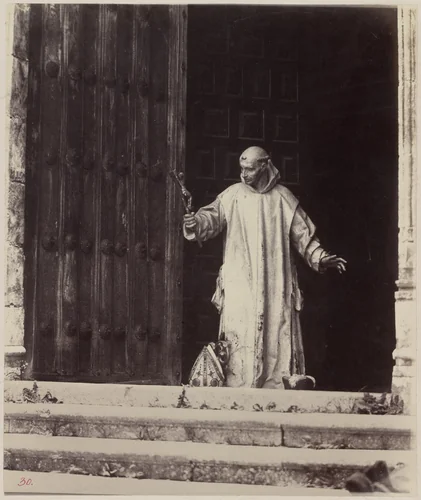
Clifford’s extensive oeuvre consists predominantly of large-format albumen prints, characterized by meticulous detail and formal, balanced composition. Working often under royal patronage, his subjects encompassed major medieval and Renaissance monuments, capturing both the massive scale and the intricate craftsmanship of structures. Key works, such as the Principal Doorway of the Carthusian Monastery, Burgos and the imposing Segovia, Façade of the Alcazar and Moorish Tower, demonstrate his mastery of light and perspective, establishing architectural documentation as a legitimate art form. His exacting standards ensured his work was sought after by European collectors interested in museum-quality photographs.
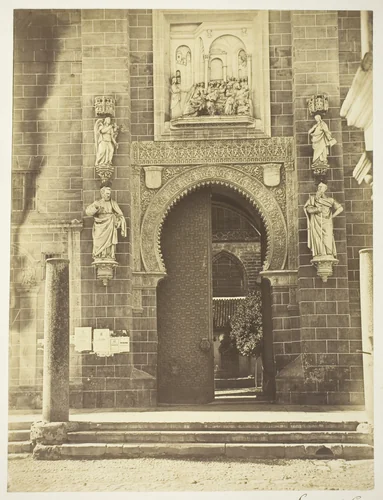
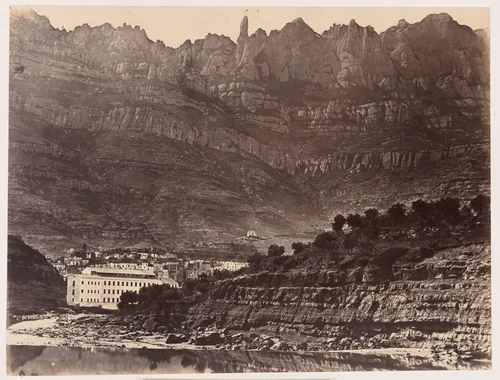
Although details of his personal life remain scarce, his professional stature was undeniable. Clifford held the coveted position of official photographer to Queen Isabella II, a relationship that provided him access to crucial royal commissions and historically significant, often secluded, sites. Capturing the massive scale of structures like the Puerta del Perdon, Cathedral Seville required immense technical precision using heavy, cumbersome equipment deployed under harsh Spanish sunlight. It is perhaps a subtle indicator of his range and occasional wit that amidst the documentation of cathedrals, Clifford also chose to immortalize infrastructural feats such as the ancient Roman aqueduct structure, the Puente del Diablo, Martorell—a site equally dramatic, yet entirely secular.
Clifford’s relatively short active period yielded a powerful visual catalogue that has secured his posthumous reputation. His photographs are now held in prestigious collections worldwide, including the Art Institute of Chicago and the National Gallery of Art. As the original photographic plates transition into the public domain, the continued availability of high-quality prints ensures that the meticulous vision of Charles Clifford remains accessible to contemporary audiences seeking historically important downloadable artwork and scholarly reference.
Source: Wikipedia · CC BY-SA 4.0
![[Puente del Diablo, Martorell] by Charles Clifford, photograph, 1854-1858](https://img.artbee.org/bc488b80-9a1e-477e-976e-8fe65a7ac8ce/small.webp)
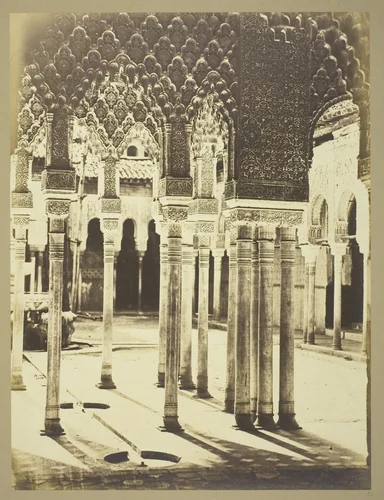
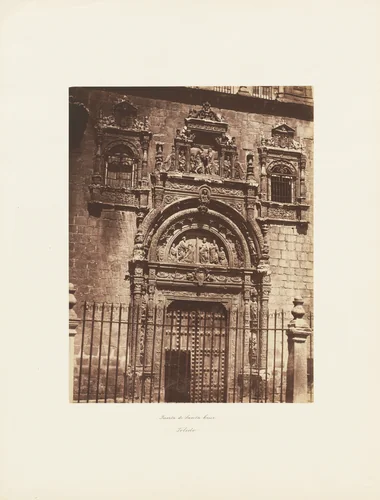
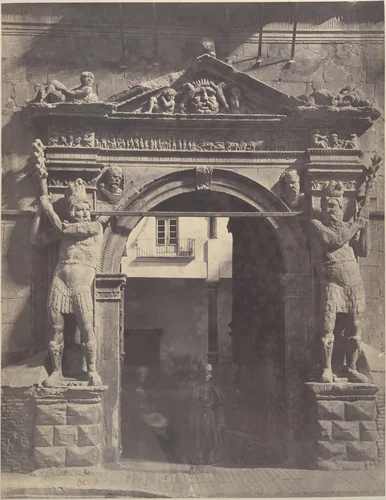
![[Madrid. Facade of the Hospital of "La Latina"] by Charles Clifford, photograph, 1855-1859](https://img.artbee.org/8fd87f28-ab5d-4d62-8d88-3ff5af16df1e/small.webp)
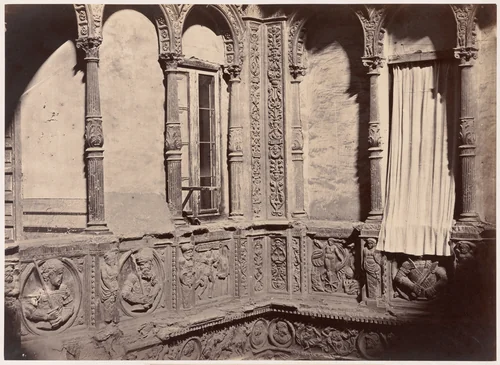
![[Cloisters of the Church of Saint John of the Kings, Toledo, Spain] by Charles Clifford, photograph, 1856-1860](https://img.artbee.org/c2ea3d93-5b7d-4fbc-b5ba-8fce82952000/small.webp)
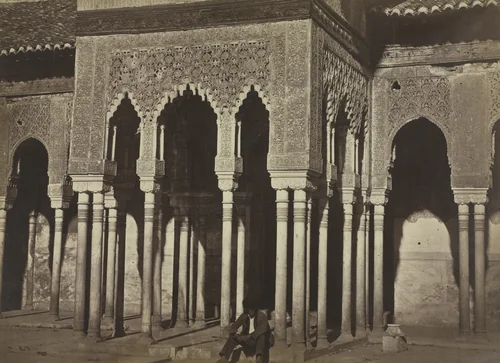
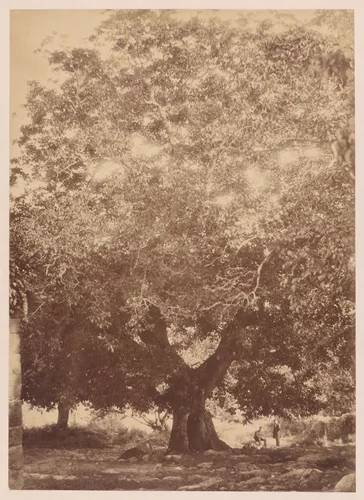
![[The Lion Court at the Alhambra, Viewed from Beneath the Portico Temple] by Charles Clifford, photograph, 1862](https://img.artbee.org/4feddd19-91de-40b7-b274-65b334966430/small.webp)