MET DP805125.jpg)
Charles Bargue
Charles Bargue (1840-1879) was a French painter and lithographer whose primary artistic legacy rests not on the breadth of his painted oeuvre, but on the profound rigor and dissemination of his pedagogical innovation. Active during a period when the academic Salon system dictated artistic taste, Bargue is chiefly remembered as the deviser of a singularly influential drawing course that shaped the training of countless artists in the late nineteenth and early twentieth centuries.
Working closely with the celebrated academician Jean-Léon Gérôme, Bargue published the Cours de Dessin (Drawing Course), a structured, three-volume program comprising nearly 200 meticulously rendered lithographic plates. This curriculum codified a systematic approach to classical draughtsmanship. Students were instructed to copy the plates, moving progressively from simplified studies of plaster casts and antique fragments to complex renderings of human figures and master drawings. This method, emphasizing accuracy, proportion, and tonal control over expressive individualism, ensured a high standard of technical proficiency among its adherents. It is perhaps one of art history’s great ironies that an artist defined by encouraging such meticulous replication created a method so effective it fueled a subsequent generation of anti-academic rebels, including Vincent van Gogh and Pablo Picasso, who first mastered the Bargue method before charting entirely new visual territories.
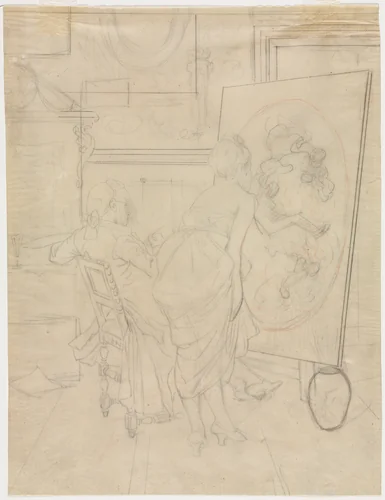
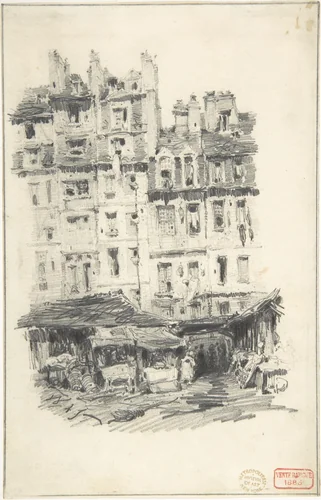
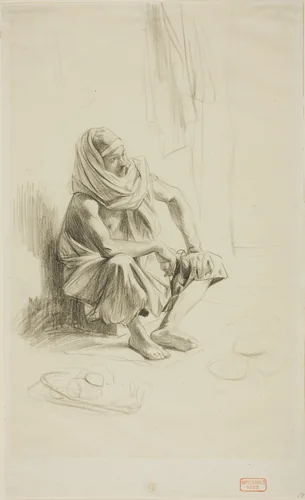
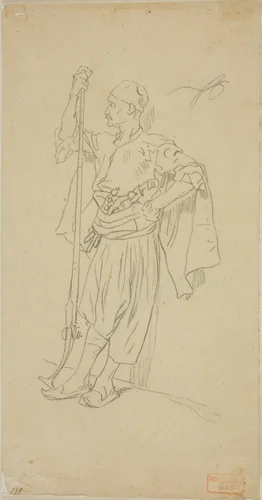
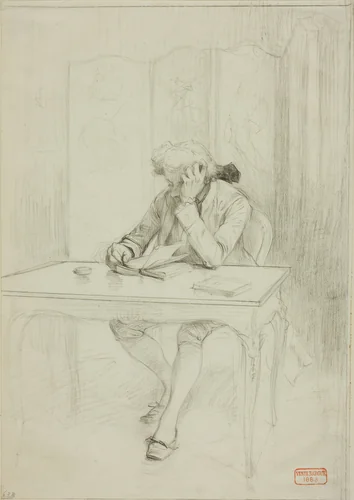
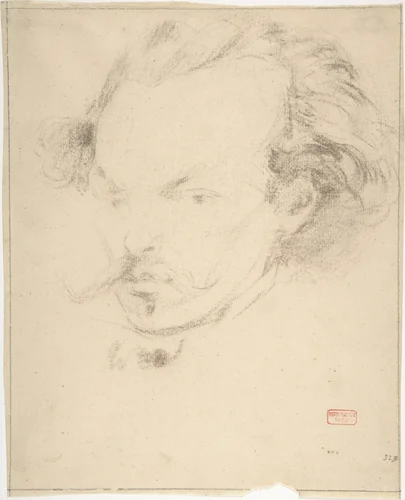
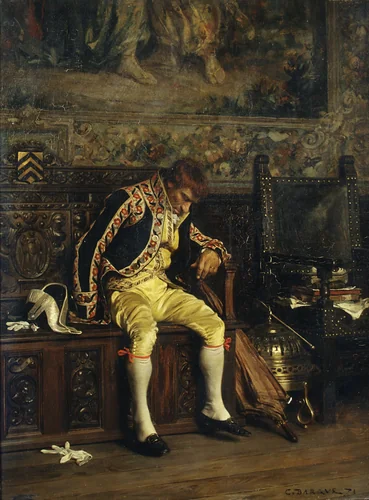
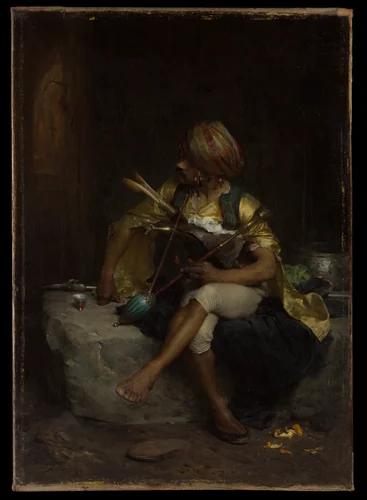
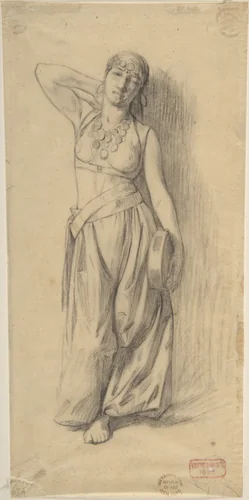
While his educational material defined his historical role, Bargue was an accomplished practitioner in his own right. His surviving work, including seven known drawings and two paintings, offers tantalizing glimpses into his expressive capabilities, ranging from preparatory sketches like Cartoon for The Opinion of the Model to Orientalist subjects such as Seated Arab and the powerful Armed Arab Leaning Against a Wall. These works are held in prestigious international institutions, including the Metropolitan Museum of Art, the Art Institute of Chicago, and the Cleveland Museum of Art, preserving museum-quality examples of academic realism.
Though the catalog of specific Charles Bargue paintings is small, his influence is vast and ongoing. Today, the plates that formed the core of his curriculum are often in the public domain, allowing modern students and historians to access foundational materials. The enduring availability of free art prints and instructional resources ensures that Bargue’s exacting standards for drawing continue to inform artistic training globally.
Source: Wikipedia · CC BY-SA 4.0