Charles-Antoine Coypel
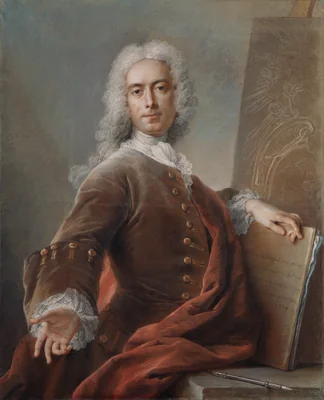
Charles-Antoine Coypel (1694-1752) stands as one of the most formidable figures in 18th-century French art, recognized not merely for his painting but for his near-total command of the nation’s artistic infrastructure. A versatile intellectual, he served simultaneously as a distinguished painter, a penetrating art critic, and a successful playwright. His activity centered almost exclusively in Paris, placing him at the nexus of culture and royal power during the Régence and early reign of Louis XV.
Coypel’s professional ascent was marked by a series of high-level institutional appointments. He secured the prestigious role of court painter to the French king and later became the Director of the powerful Académie Royale, the ultimate arbiter of taste and training in France. His most defining administrative post, however, was inheriting the title of Garde des tableaux et dessins du roi. This function combined the responsibilities of the chief curator and director of the monarch’s vast art collection, granting Coypel substantial influence over both the interpretation of historical masters and the direction of contemporary taste.
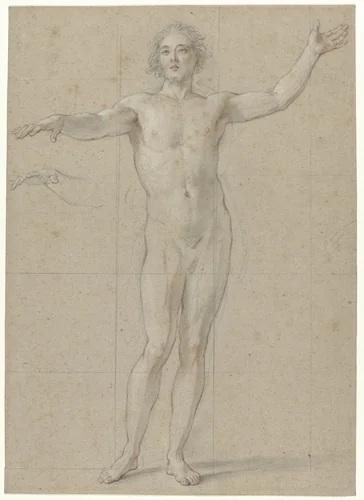
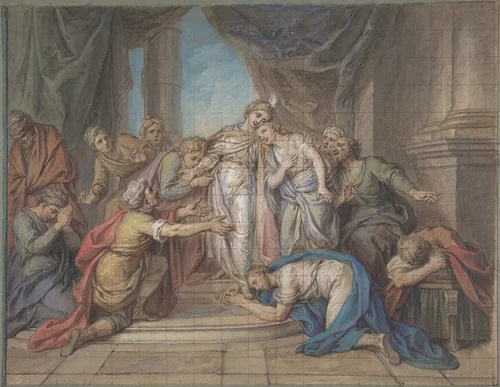
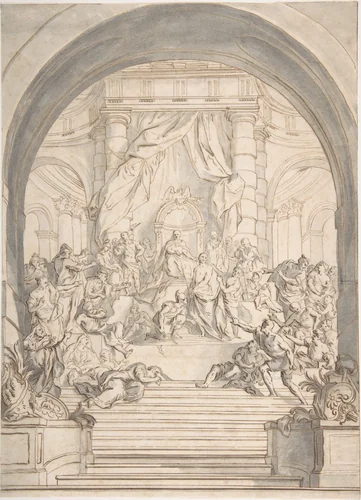
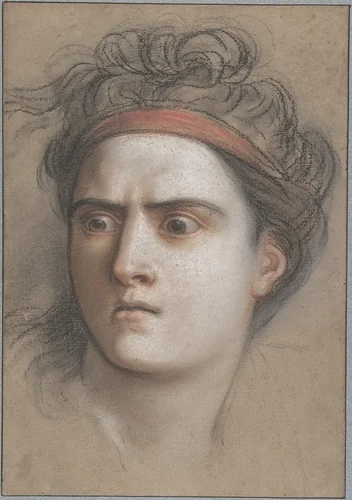
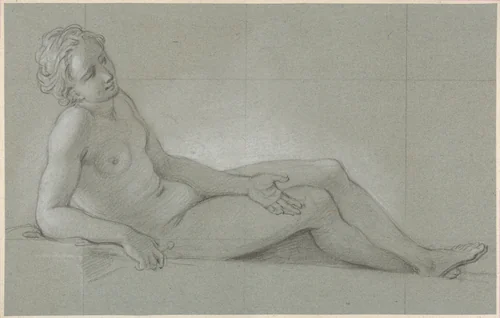
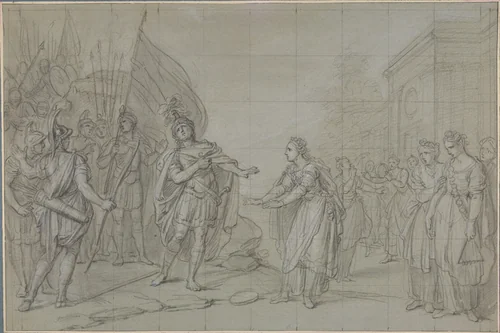
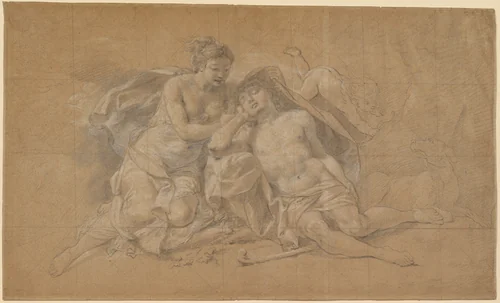
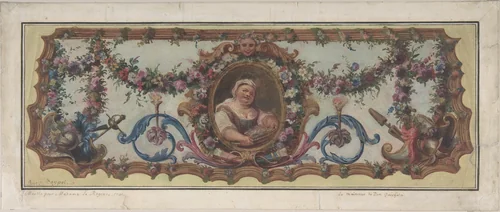
While his monumental narrative compositions are well-documented, his graphic output reveals a sharp precision necessary for an artist operating at the pinnacle of academic hierarchy. His working periods, particularly between 1704 and 1726, yielded numerous dynamic studies and finished prints. Works such as Joseph Recognized by his Brothers and the academic standard Staand mannelijk naakt demonstrate a profound commitment to anatomical rigor and classical dramatic structure. For an artist who managed such demanding administrative and curatorial posts, his concurrent career as a theatrical play writer provided a fascinating, if subtle, outlet for the dramatic sensibilities inherent in his compositions.
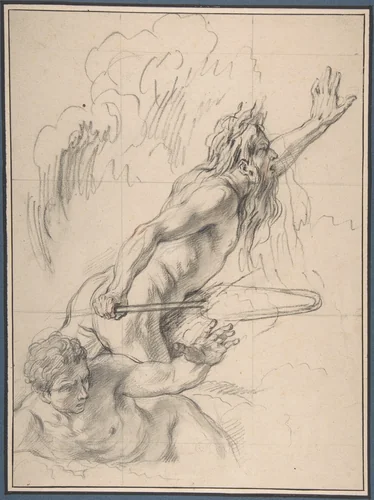
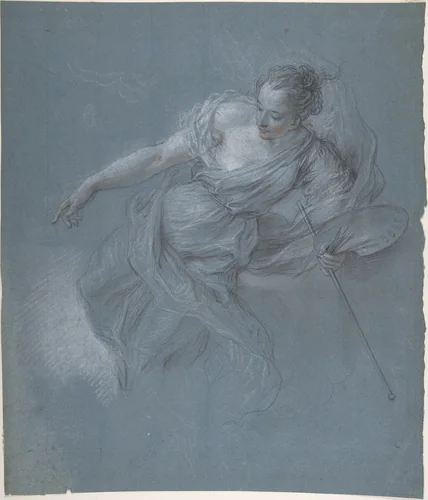
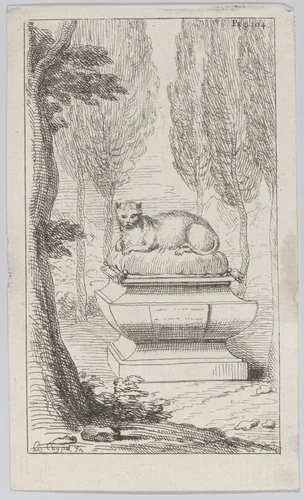
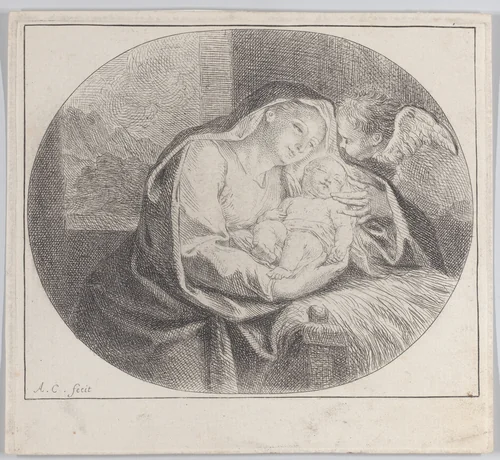
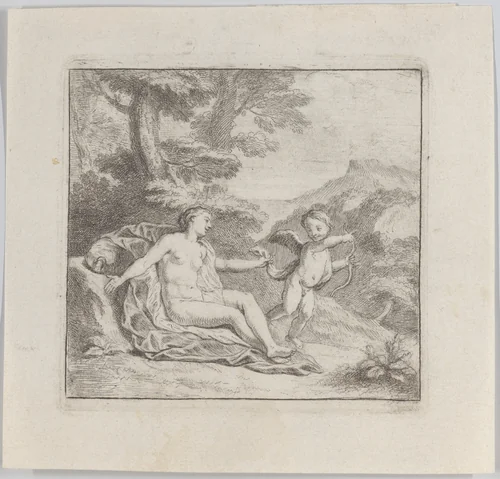
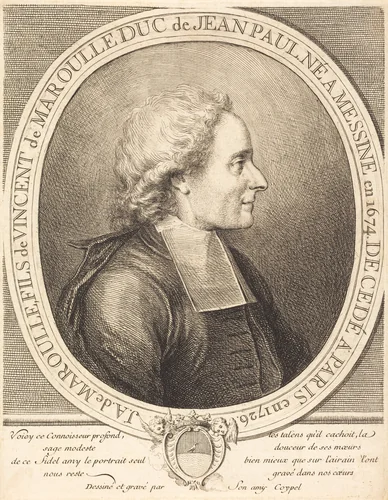
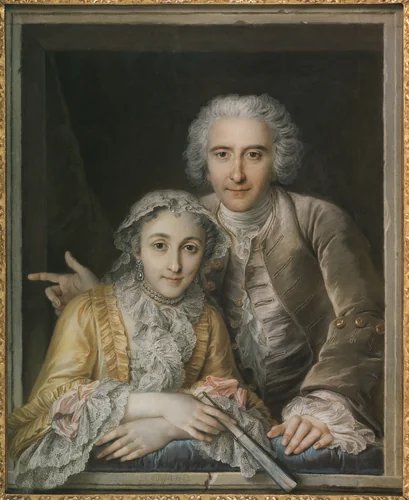
Coypel’s legacy is defined by this masterful navigation of institutional authority coupled with sustained artistic excellence. Today, the enduring quality of his draughtsmanship is widely accessible; many of his preparatory drawings and Charles-Antoine Coypel prints, including the eloquent Allegorical Figure of Painting, have entered the public domain. This availability ensures continued academic study of his methods, allowing enthusiasts to examine high-quality prints and appreciate the technical skill that anchored his substantial institutional impact.
Source: Wikipedia · CC BY-SA 4.0