Chancay
The Chancay culture, flourishing primarily between 1000 and 1470 CE, represents a crucial, distinct phase in the artistic development of the central Peruvian coast. Situated approximately 78 kilometers north of modern Lima, the Chancay established themselves as a powerful pre-Columbian archaeological entity before their eventual integration into the expanding Inca Empire. While known for their idiosyncratic black-on-white ceramics and stylized wooden figures, the core of their artistic legacy resides in their unparalleled mastery of textile production.
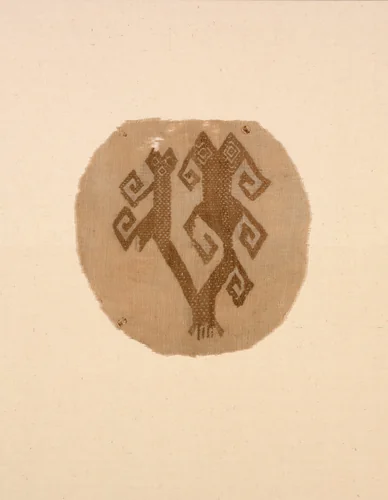
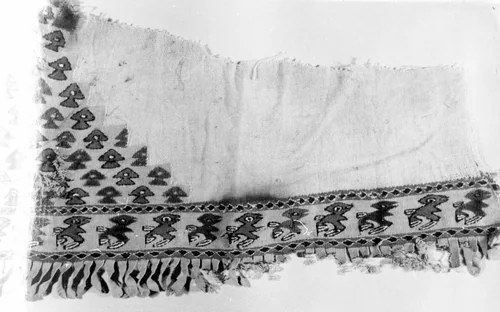
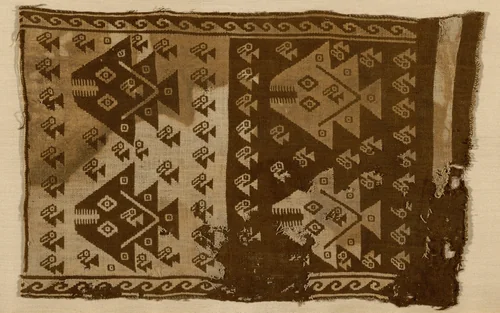
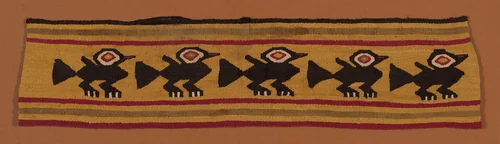
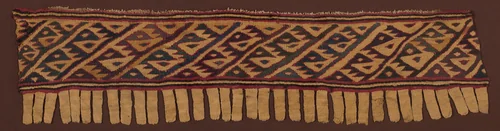
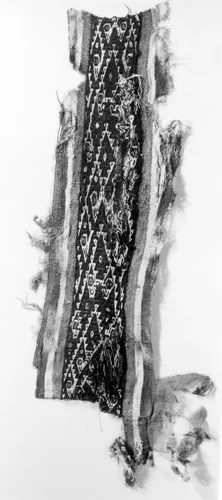
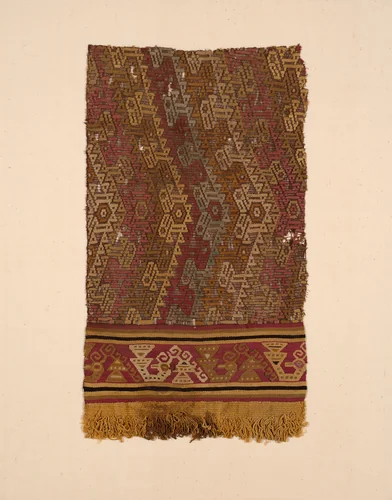
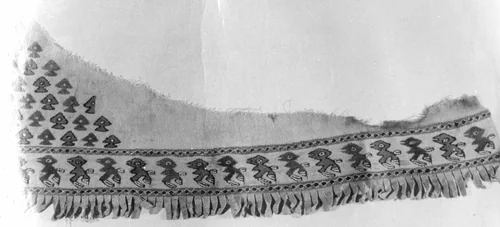
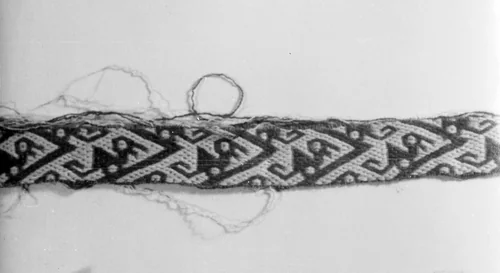
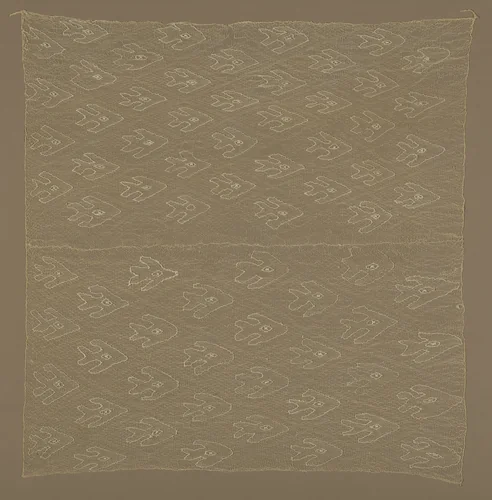
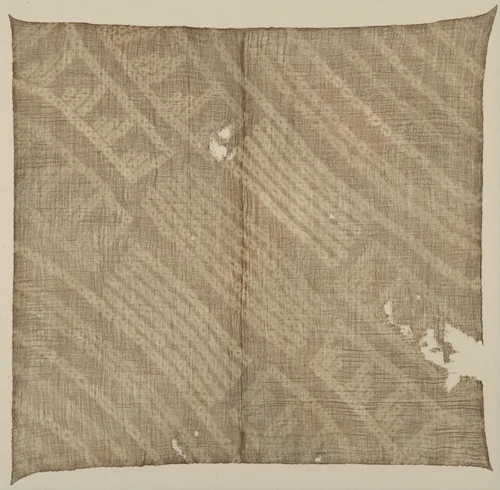
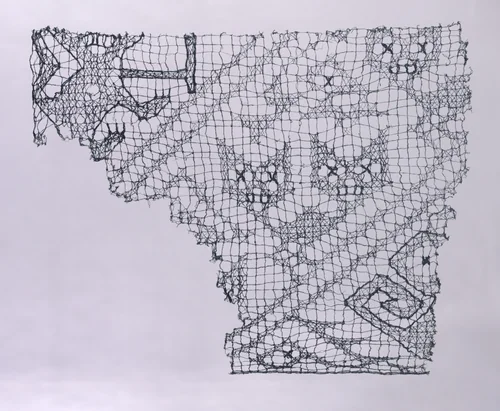
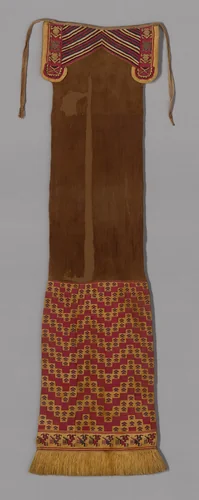
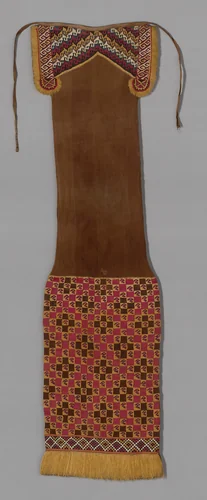
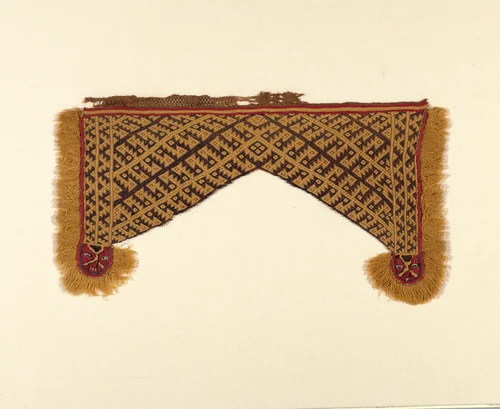
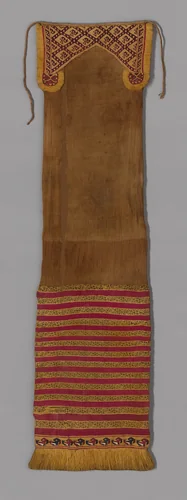
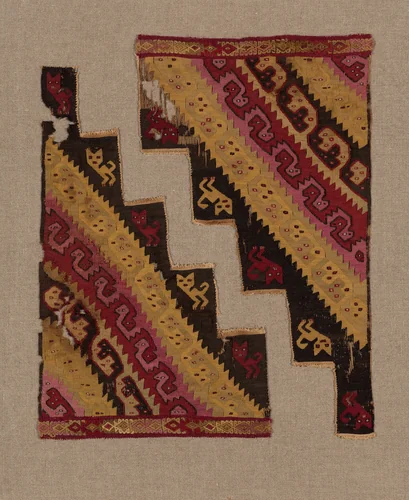
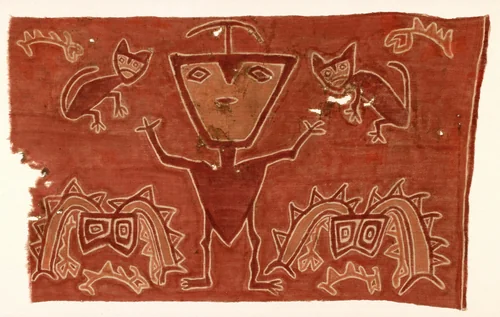
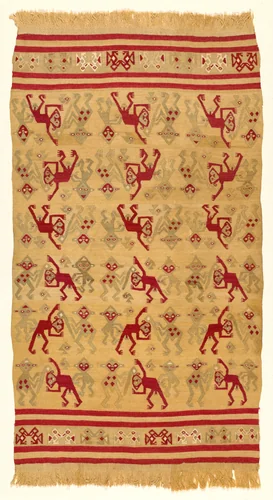
The Chancay corpus of art, represented globally in major institutions like the Art Institute of Chicago, is overwhelmingly composed of highly complex weavings. Utilizing indigenous resources, including cotton and finely spun camelid fibers, Chancay weavers achieved remarkable technical variety. They expertly employed advanced techniques such as gauze weave, openwork, embroidery, and brocade to create garments, ritual objects, and burial shrouds. The surviving database of works, characterized often by descriptive identifiers such as "Band," "Border Fragment," and "Fragment," underscores the prolific, yet often piece-by-piece, preservation of their output.
These textiles display a distinctive aesthetic preference for geometric structure combined with stylized, highly abstracted figures, frequently incorporating birds, fish, and anthropomorphic deities. Their color palette, though generally subdued compared to southern coastal cultures, demonstrates sophisticated control over natural dyes to achieve rich browns, deep reds, and blues against a natural cotton base. It is a minor miracle of preservation that so many delicate and complex fibers have survived the harsh conditions of the coastal region to inform us of their visual world.
The quality and volume of this material ensure that Chancay weavings are universally considered museum-quality examples of Andean artistry. Although we lack surviving Chancay paintings, the detailed patterns and design methodologies embedded within their weavings remain a powerful visual influence. Today, interest in Chancay prints and downloadable artwork derived from these intricate patterns ensures that this thousand-year-old aesthetic continues to inspire contemporary artists and designers.
Source: Wikipedia · CC BY-SA 4.0