Cesare Vecellio
Cesare Vecellio (c. 1521–1601) was an Italian draftsman and painter of the late Renaissance, active primarily in Venice. While recognized by his contemporaries as a capable painter in the Venetian tradition, his enduring historical significance rests almost entirely upon his meticulous and prolific work as a designer for print. Vecellio concentrated his energies on published illustrations during the crucial decade between 1590 and 1601, producing a remarkable series of eleven books and several standalone prints, cementing his reputation as an indispensable visual chronicler of the early modern world.
Vecellio’s magnum opus, and the source of his lasting fame, is the illustrated costume manual, De Gli Habiti Antichi, et Moderni di Diuerse Parti del Mondo Libri Dve, first published in 1590 and reissued in an expanded edition in 1598. This monumental woodcut project transcended mere fashion documentation. It systematically cataloged hundreds of figures, illustrating attire from contemporary Venetian citizens and Roman antiquity to the presumed garments of peoples across Africa, Asia, and the recently encountered Americas. The book was an extraordinary publishing achievement, establishing the standard for the comprehensive visual study of clothing and customs across geographical and historical divides. Vecellio possessed the unique skill necessary to translate ephemeral subjects into reproducible, definitive documents. However, his renderings of far-flung, exotic cultures sometimes reveal the delightful intersection of scholarly intent and geographical fantasy, a reflection of the exploratory spirit of the era.
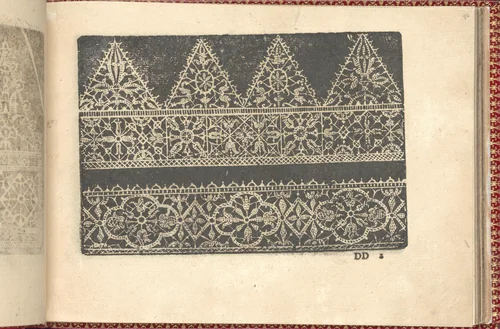
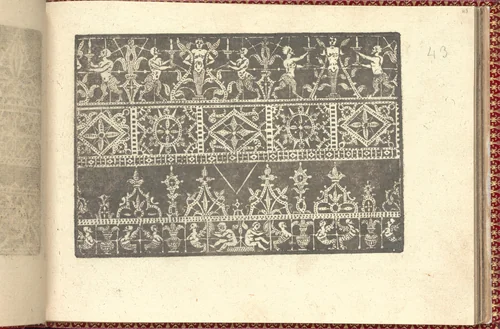
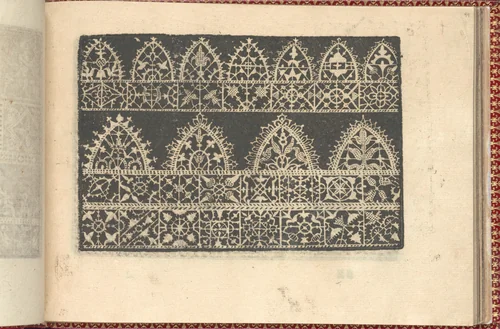
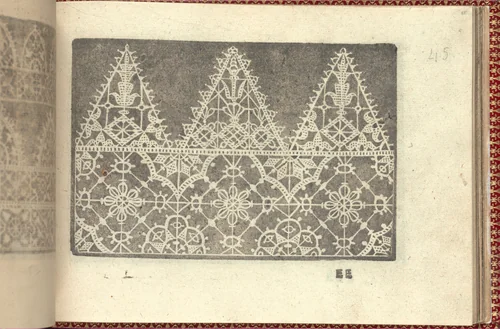
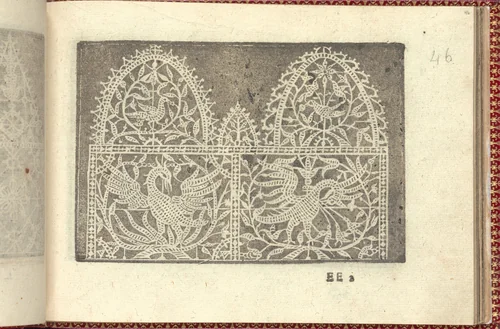
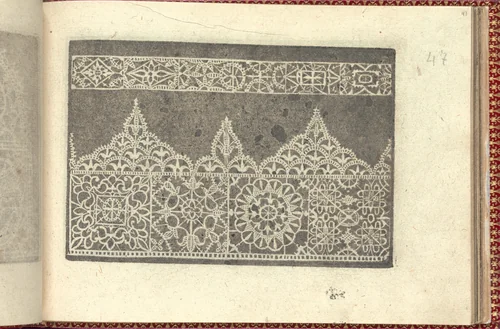
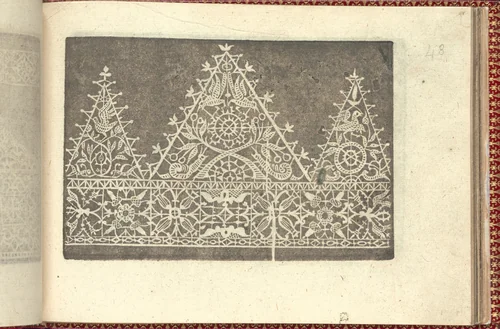
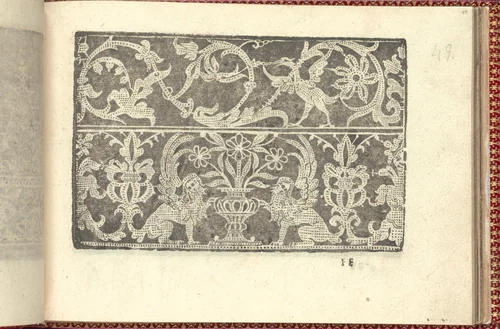
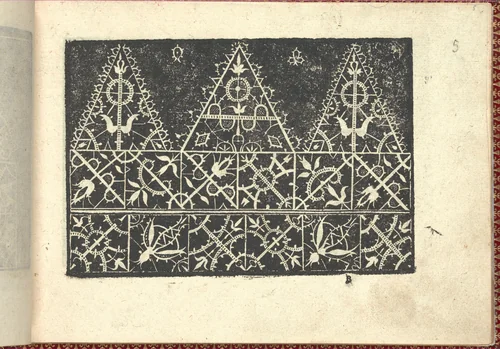
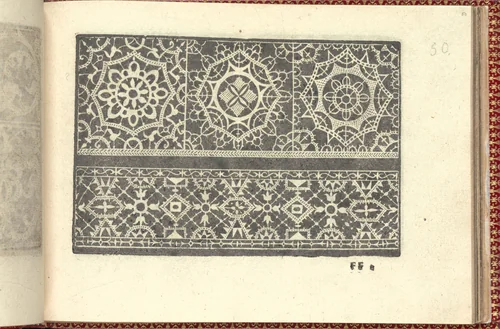
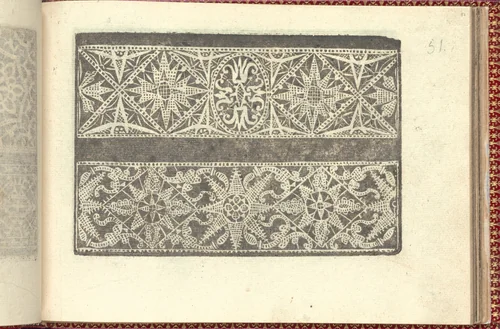
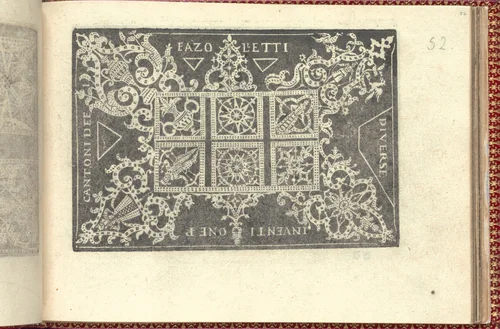
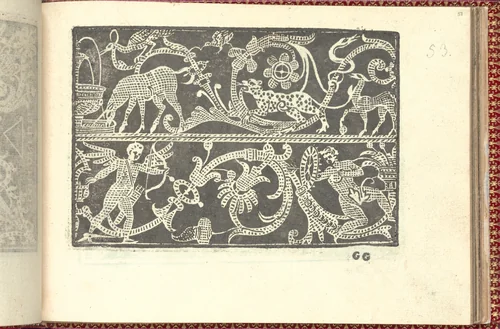
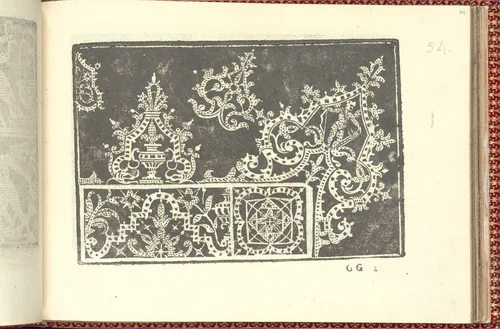
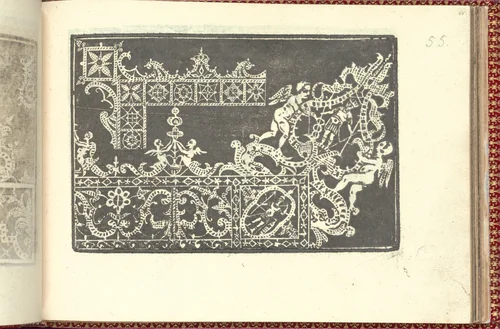
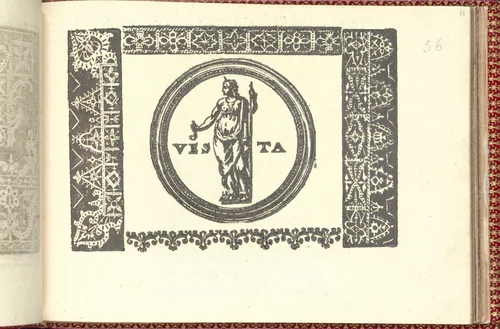
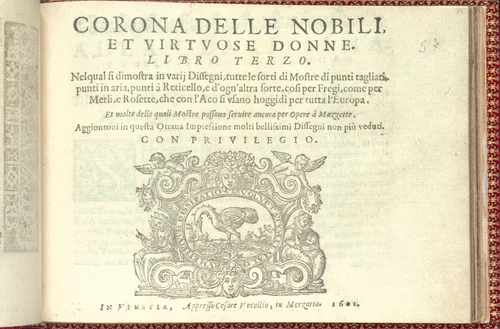
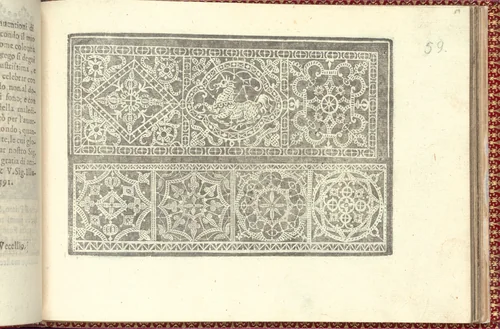
The sustained appeal of Vecellio’s designs, evident in items ranging from individual prints like Leaf from Crown of Noble and Virtuous Women to a documented textile pattern, lies in their clarity, precision, and foundational historical value. Major examples of Vecellio’s illustrations, often referred to as Cesare Vecellio prints, are held in prestigious international collections, including the Art Institute of Chicago and the Metropolitan Museum of Art, testifying to their museum-quality status. Today, due to their age and widespread dissemination, many of these iconic woodcuts reside in the public domain, making high-quality prints and downloadable artwork widely available for study and appreciation. Vecellio’s legacy is that of an artist who chose systematic observation and the printing press over the easel, thereby securing an authoritative position in the visual history of the Renaissance.
Source: Wikipedia · CC BY-SA 4.0