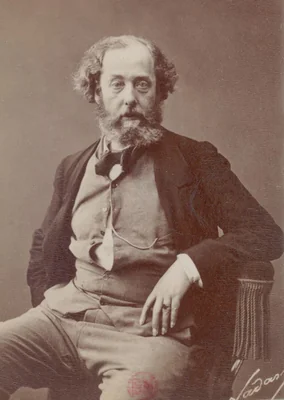
Célestin Nanteuil
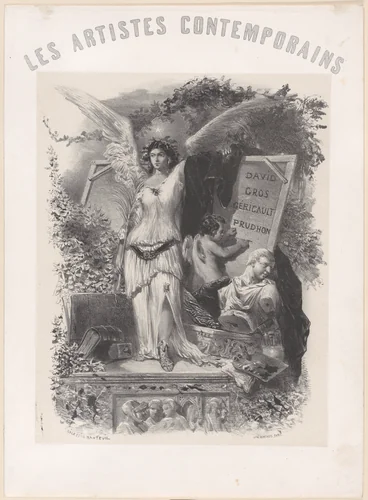
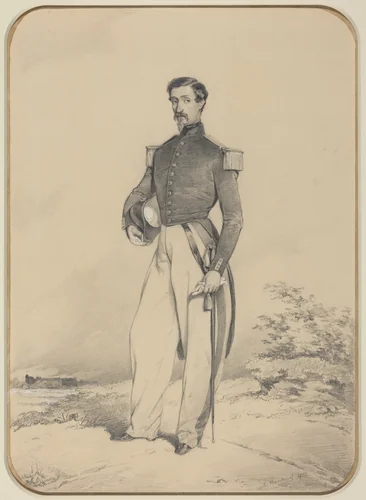
Célestin-François Nanteuil-Lebœuf, known professionally as Célestin Nanteuil, was an influential French engraver, painter, and illustrator whose career was inextricably linked to the visual culture of the Romantic movement. Born in Rome to French parents associated with Joseph Bonaparte’s entourage, Nanteuil’s formative years were marked by an unusual blend of classical setting and political migration. His formal training began in earnest upon his enrollment at the École des Beaux-Arts in 1827, where he first studied under Eustache-Hyacinthe Langlois. Crucially, he also spent time working in the rigorous atelier of Dominique Ingres, absorbing a foundational discipline often reserved for pure classicists. This exposure to Ingres’s line-based precision, juxtaposed against the emerging currents of Romantic fervor, defined Nanteuil’s distinctive graphic style.
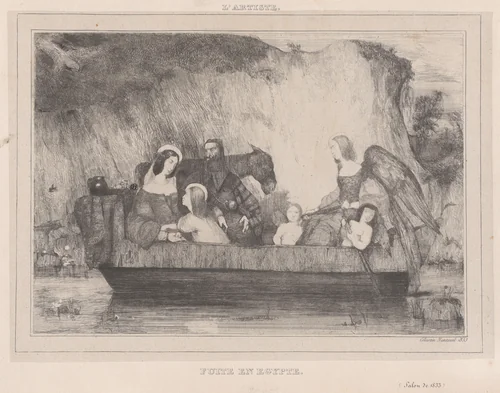
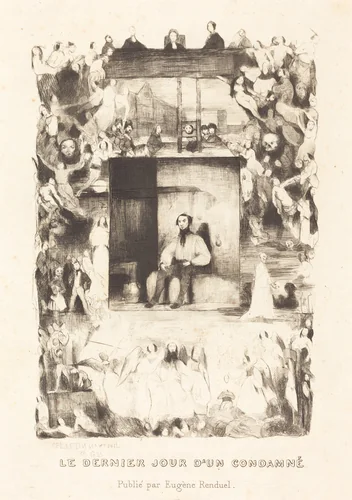
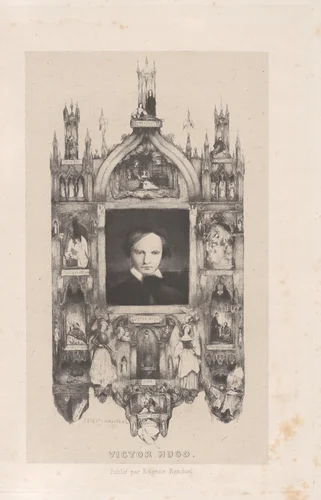
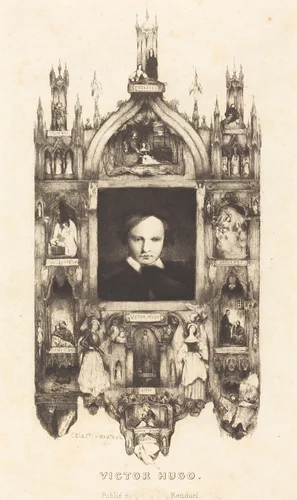
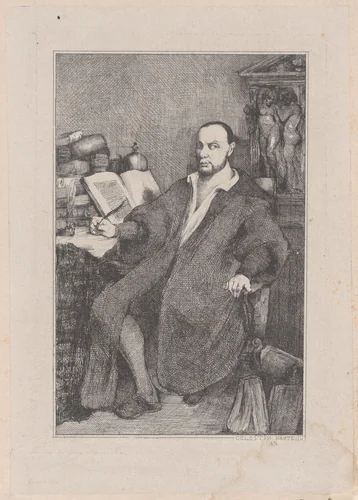
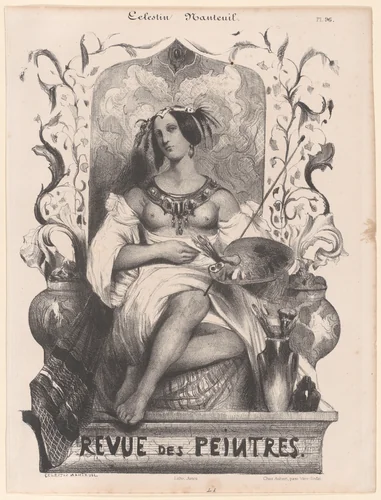
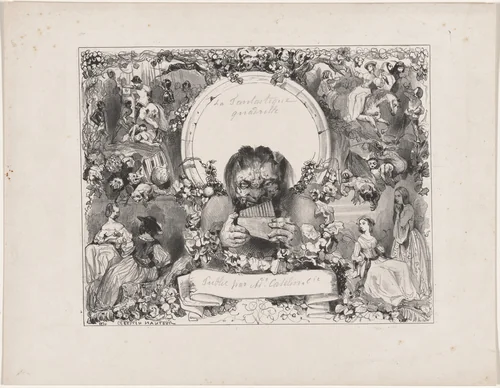
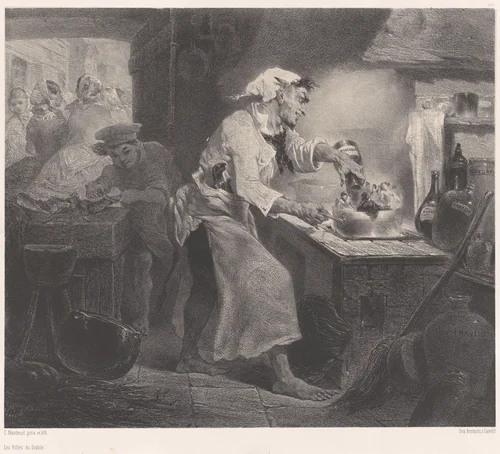
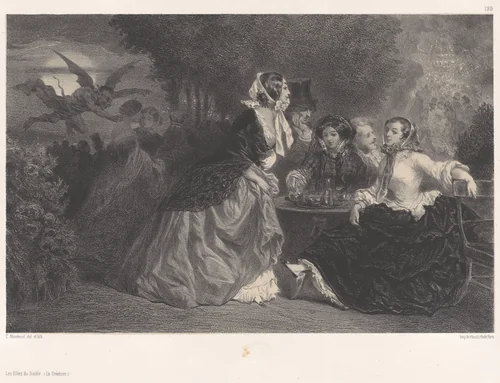
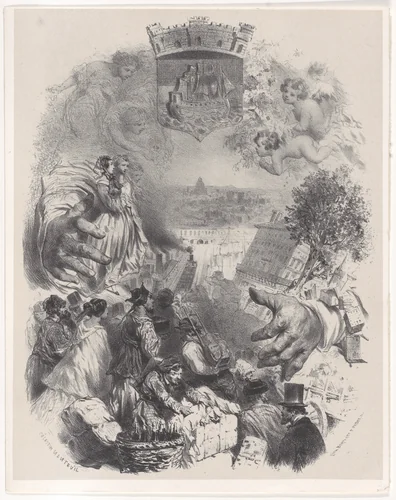
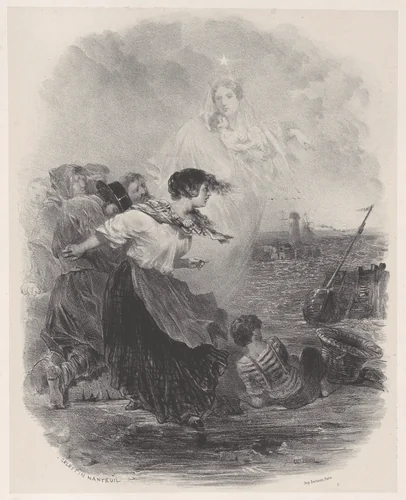
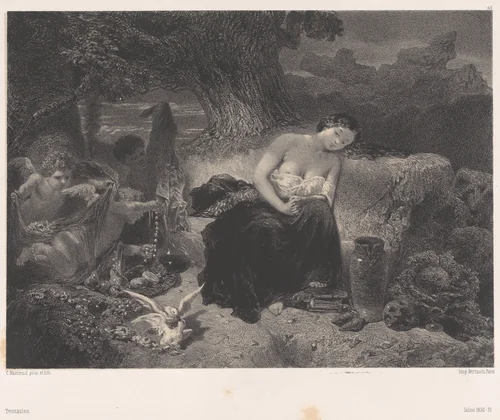
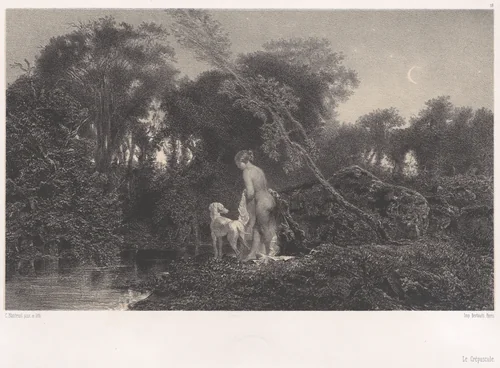
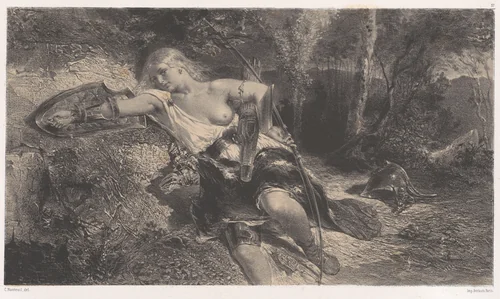
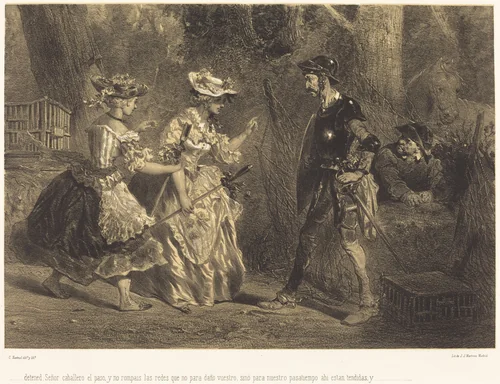
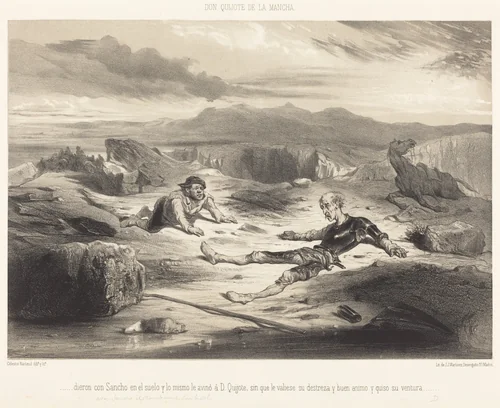
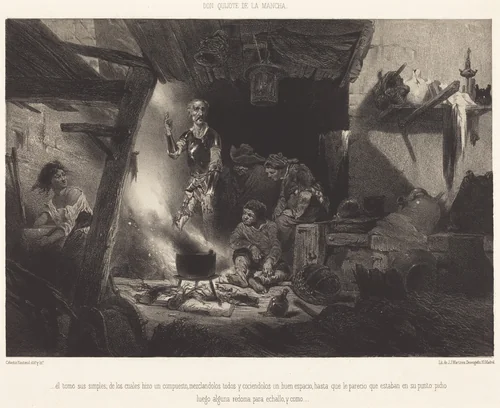
Nanteuil built his reputation primarily through the prolific production of high-quality prints and illustrations that captured the dramatic and emotional intensity of the early 19th century. As an engraver, he provided the evocative imagery for literary journals and musical score titles, ensuring his artistic reach was broad and immediate. Works such as Horse before the Race and The Woman Behind the Mask demonstrate his masterful command of contrasting light and shadow, creating theatrical compositions ideally suited to the tastes of the era. While firmly aligned with the Romantic aesthetic, Nanteuil maintained a technical fastidiousness in his printmaking, a controlled fervor that occasionally appears at charming odds with the movement’s more hyperbolic tendencies.
His artistic success led to significant institutional acknowledgment later in his life. In 1848, Nanteuil transitioned to academic leadership, accepting the role of Director of the Académie des beaux-arts. He subsequently served as the curator of the Musée des beaux-arts in Dijon. This career progression from an active participant in the Parisian scene to a key figure in regional arts administration underscores his enduring professional authority. Today, the work of this vital French artist, including significant holdings of Célestin Nanteuil prints in major institutions like the Metropolitan Museum of Art, remains highly accessible. Many of his graphic works are now frequently found in the public domain, offering unmediated insight into the visual dynamism of French Romanticism.
Source: Wikipedia · CC BY-SA 4.0