Castellani
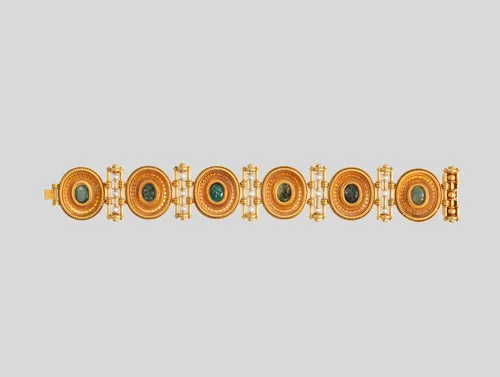
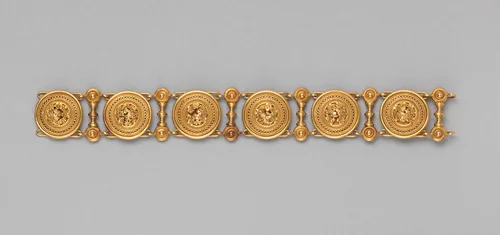
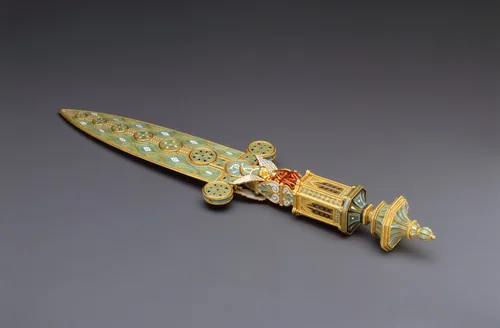
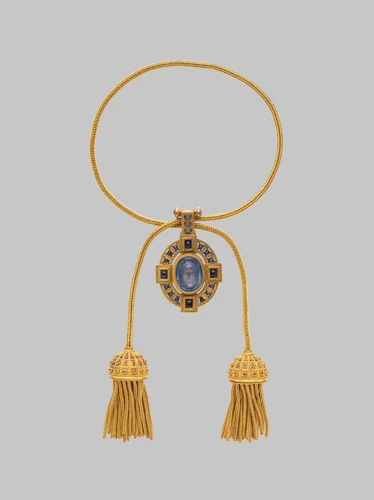
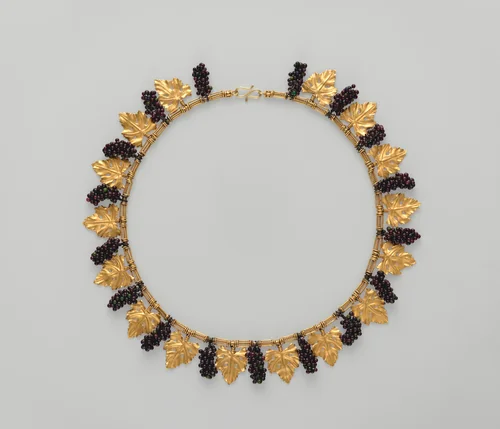
The name Castellani refers to the storied Roman firm that, during the mid-nineteenth century, redefined European jewelry and metalwork through its rigorous engagement with antiquity. Active throughout the pivotal decades of classical revival, particularly between 1855 and 1875, the workshop became the undisputed master of archaeological jewelry, blending technical precision with scholarly dedication. Their significance is confirmed by their enduring presence in major institutions, including the Metropolitan Museum of Art, which holds examples of their intricate metalworks.
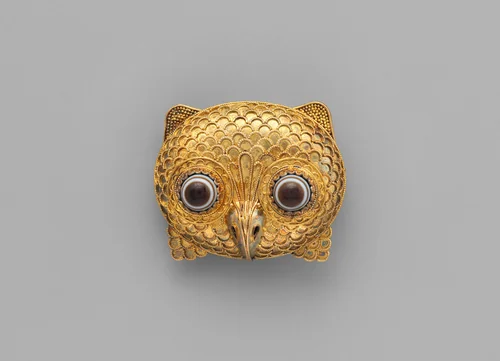
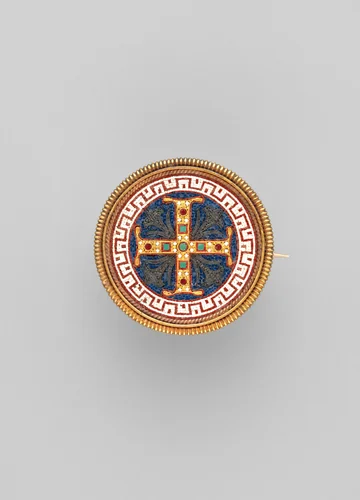
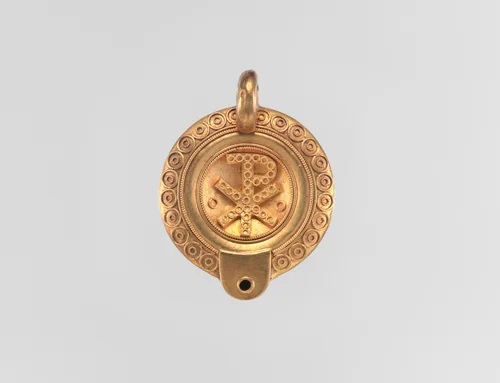
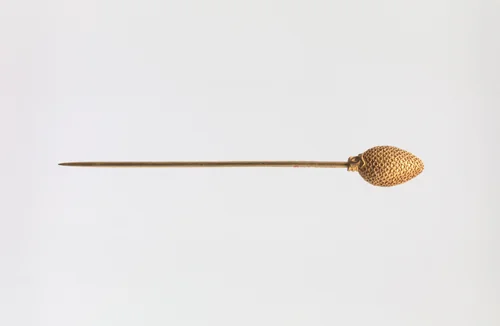
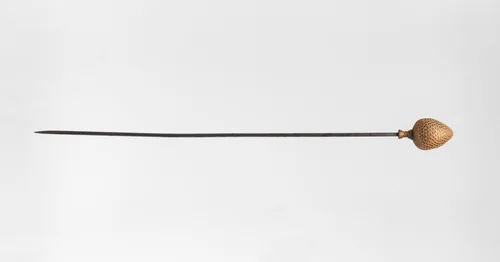
The Castellani aesthetic was rooted in the meticulous study of Etruscan, Greek, and Roman artifacts newly excavated around Italy. Rather than merely adapting ancient motifs, the firm, led primarily by Augusto and Alessandro Castellani, perfected the lost techniques of their ancestors. Their innovations included the revival of granulation, the delicate process of applying microscopic gold spheres to a surface, and filigree, the complex manipulation of fine gold wires. These techniques resulted in pieces that were essentially historical reconstructions, celebrated by connoisseurs for their authenticity. Specific examples from this period, such as the elaborate Brooch in the form of an owl head and the highly symbolic Brooch with Greek Cross, demonstrate both their archaeological commitment and their capacity for sophisticated miniature sculpture.
The firm’s approach to jewelry was almost academic; their workshops served as laboratories where ancient techniques were rediscovered, documented, and published. This scholarly methodology elevated jewelry from mere adornment to serious art, positioning Castellani pieces as museum-quality artifacts even during their own time. While the firm is most famous for its metalwork, their influence extended widely, resulting in numerous catalogs and publications, many of which contain detailed illustrations of their objects, making these designs available today as high-quality prints and references for contemporary designers.
Castellani’s output captured the imagination of wealthy Grand Tourists and aristocratic collectors across Europe and America, making them a crucial link between classical archaeology and Victorian fashion. The work done during their most active period set an international standard for revivalist design. Unlike many contemporary jewelers focused on pure invention, the Castellanis specialized in beautiful, wearable history, preserving knowledge that might otherwise have been lost to time. Though the metalworks themselves are unique, scholarly documentation ensures that elements of the firm’s influential designs are now frequently found in the public domain for research and appreciation.
Source: Wikipedia · CC BY-SA 4.0