Caspar David Friedrich
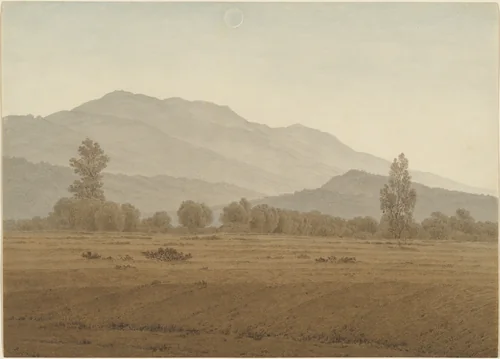
Caspar David Friedrich stands as the preeminent German artist of the Romanticism movement, fundamentally redefining the landscape genre during the late eighteenth and early nineteenth centuries. Recognized in his generation as the most important painter in Germany, his approach was a decisive break from the prevailing classical conventions, prioritizing subjective, deeply emotional, and often symbolic responses to the natural world. These Caspar David Friedrich paintings transformed landscapes from descriptive settings into profound sites of psychological and metaphysical inquiry.
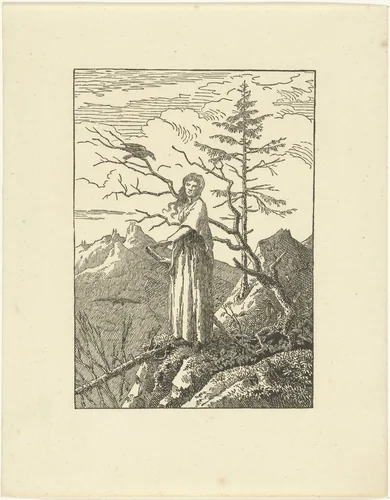
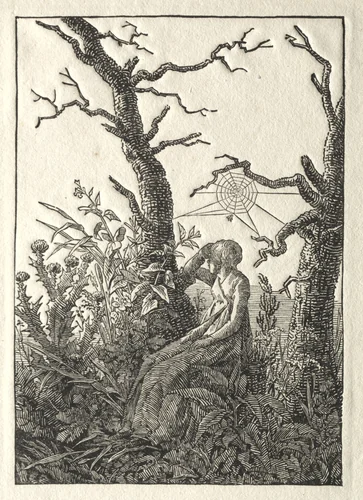
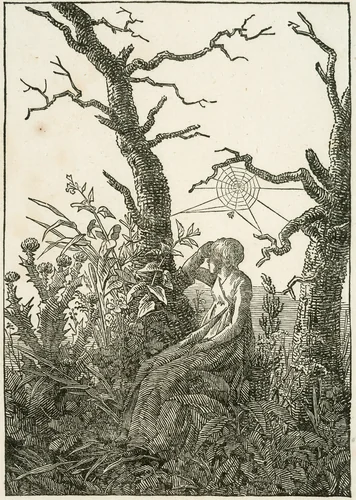
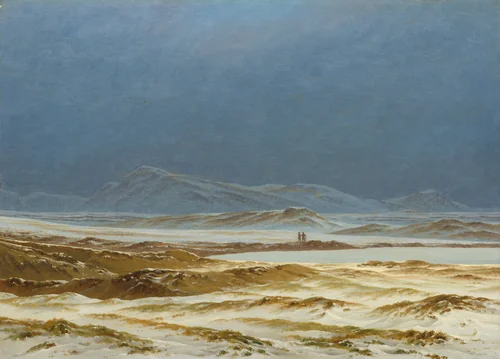
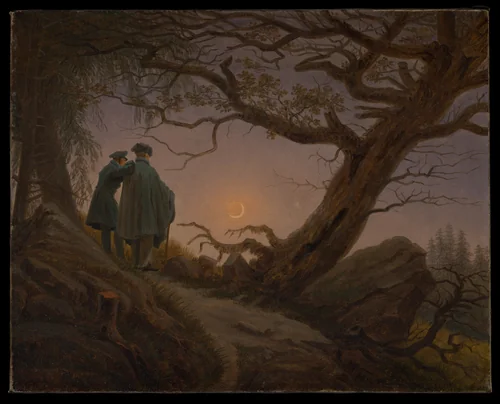
Friedrich’s signature aesthetic involves expansive compositions that often diminish the scale of the human figure. He frequently employed the Rückenfigur (a figure seen from behind) placed contemplatively against dramatic, vast settings, whether silhouetted against night skies, shrouded in morning mists, or framed by barren trees and crumbling Gothic ruins. Art historians note that this purposeful reduction of the figure amid the expansive environment effectively directs the viewer’s gaze toward the scene’s transcendental or spiritual dimension. This innovation positioned him as a pioneer of art that sought to externalize internal states.
While his fame is now globally recognized, it is perhaps one of history’s great ironies that Friedrich’s reputation suffered a substantial decline in the decades immediately following his death, only to be rediscovered and championed by later generations seeking deeper emotional resonance in art.
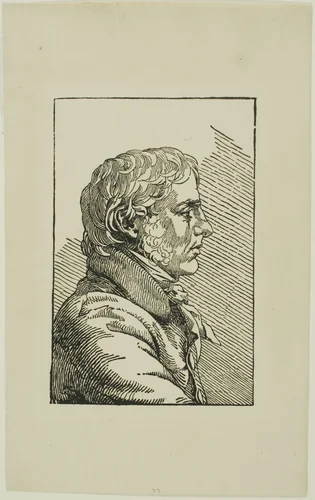
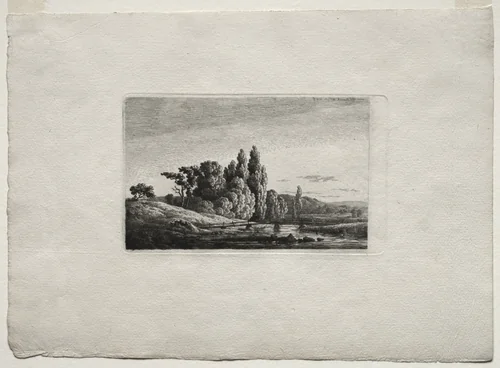
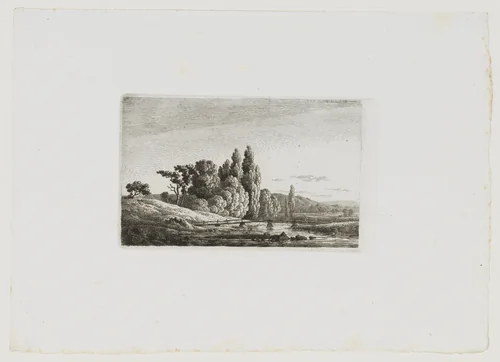
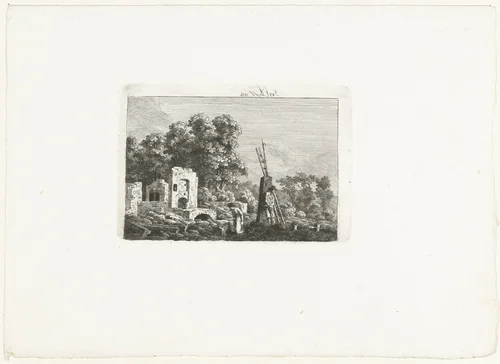
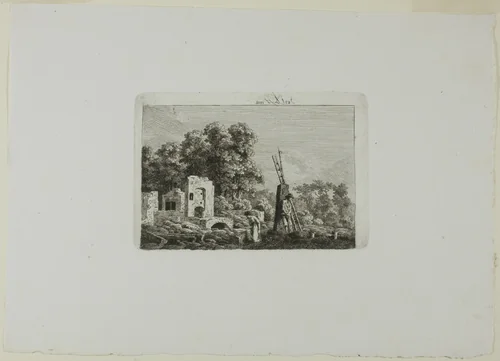
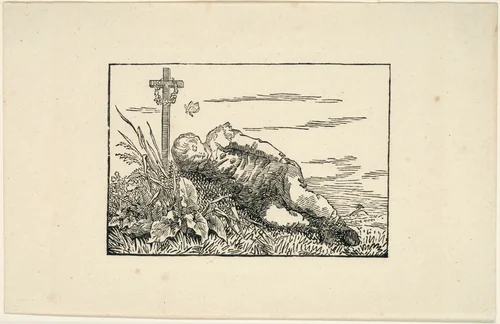
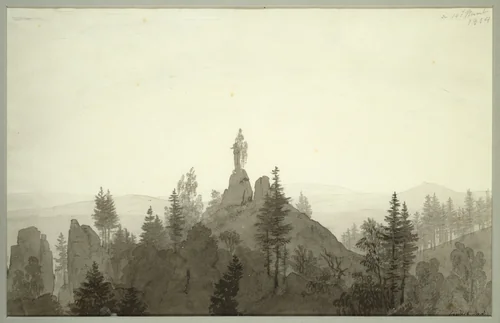
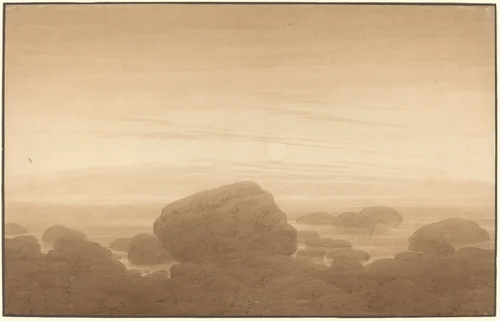
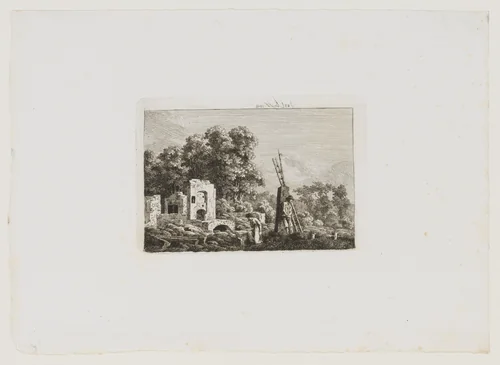
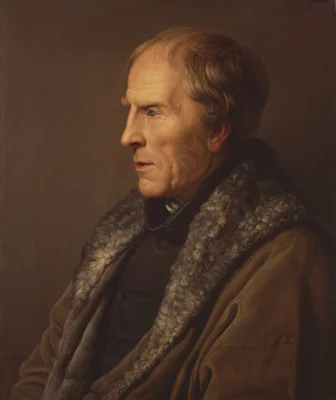
His surviving body of work, held in major collections including the National Gallery of Art and the Rijksmuseum, includes iconic pieces such as Footbridge with Cross before Trees at a River and Self-Portrait. Though the number of extant canvases is relatively small, he produced numerous preparatory sketches and high-quality prints, including Footpath with a Bridge. Today, many of these influential drawings and studies are now in the public domain, allowing downloadable artwork to be widely accessible for researchers and collectors worldwide.
Source: Wikipedia · CC BY-SA 4.0