Carlo Maratti
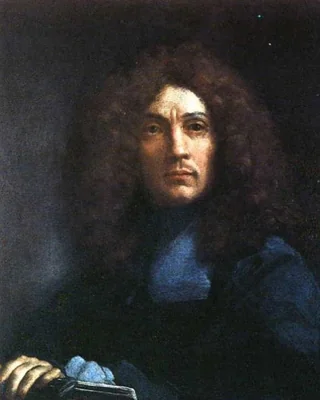
Carlo Maratta (or Maratti) stands as the dominant artistic figure of the Roman Late Baroque, anchoring the city’s production throughout the latter half of the seventeenth century. Operating principally from Rome, he achieved exceptional status, earning commissions from a clientele that included successive popes. Maratta was the leading representative of the classicizing style, offering a poised and structurally refined aesthetic that consciously countered the dramatic fervor characterizing the earlier Baroque masters.
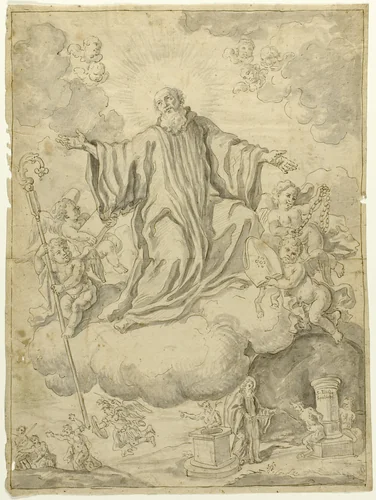
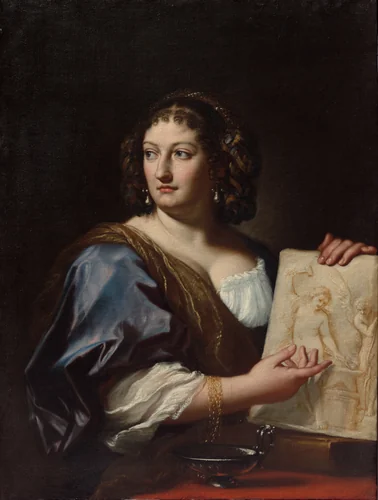
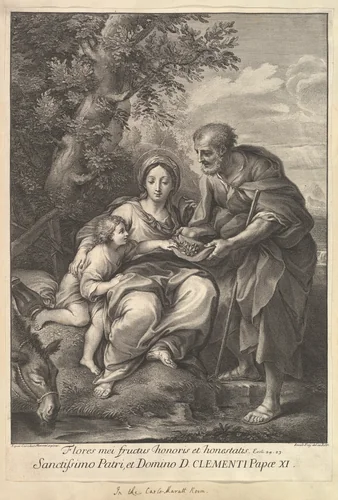
Maratta demonstrated remarkable facility across genres, successfully executing vast fresco cycles, history painting essential for religious institutions, and nuanced portraiture. His technical mastery and clarity of vision ensured continuous patronage. Works such as his numerous interpretations of the Madonna and Child or Christ Appearing to Monastic Saint in Ecstasy exemplify his sophisticated approach to composition, characterized by controlled emotion and meticulously articulated drapery. This formal discipline, derived ultimately from Bolognese academicism, granted his art an authority that defined official taste in Rome for nearly fifty years.
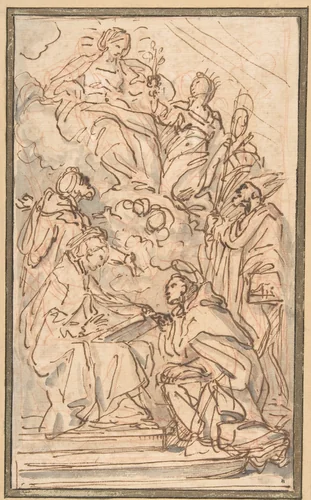
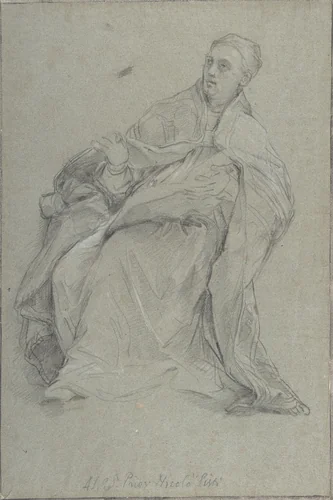
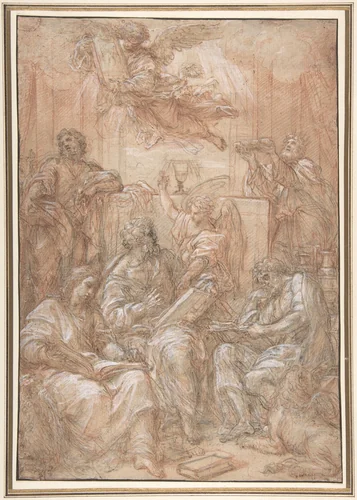
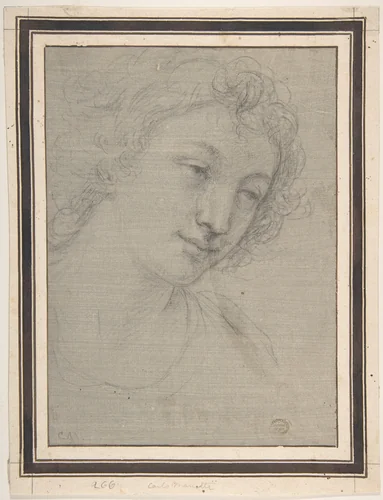
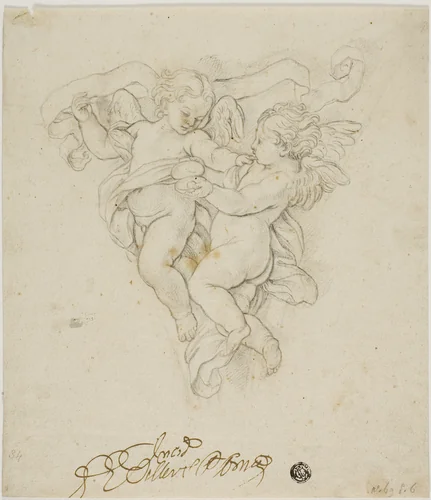
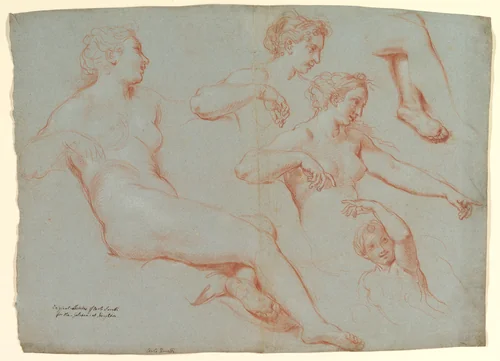
While celebrated for his grand religious cycles and finished Carlo Maratti paintings, he was also a prolific draughtsman. The collection of preparatory sketches and studies-including the 12 drawings and 3 prints cataloged in this archive-underscore his profound command of line and shadow, indispensable steps in the creation of his immaculate canvases. Institutions such as the Metropolitan Museum of Art and the Art Institute of Chicago hold significant examples of his graphic work, confirming his lasting international importance.
For an artist whose influence was so thoroughly institutionalized during his lifetime, his meticulous, almost cautious, pursuit of perfection sometimes led later critics to label his output as overly academic. Yet, it was precisely this sustained discipline that ensured his longevity and authority. Today, the precision of his design remains accessible; many of his drawings and studies, including compelling works like The Mystic Marriage of Saint Catherine, are in the public domain, allowing researchers and enthusiasts to obtain high-quality prints for personal study.
Source: Wikipedia · CC BY-SA 4.0