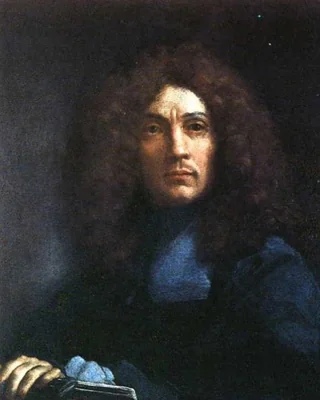
Carlo Maratta
Carlo Maratta (1625-1713) was the defining figure of Roman painting during the latter half of the 17th century. Active principally in Rome, he successfully merged the intensity of the High Baroque with a measured, classical restraint, securing his position as the leading representative of the classicizing style in the Italian Late Baroque. His influence extended well beyond the easel; he was a painter whose long career was intrinsically linked to the highest echelons of Roman patronage, including various popes and powerful families.
Maratta’s approach provided a sophisticated alternative to the highly dramatic visual language that had dominated the preceding generation. A prolific painter of both frescoes and canvases, he mastered a wide range of genres, including grand history painting, devotional subjects, and notable portraiture. While his large-scale commissions established his public fame, his compositions are characterized by balance, clarity, and grace, drawing deeply from the High Renaissance tradition while maintaining the dynamism expected of the Baroque era.
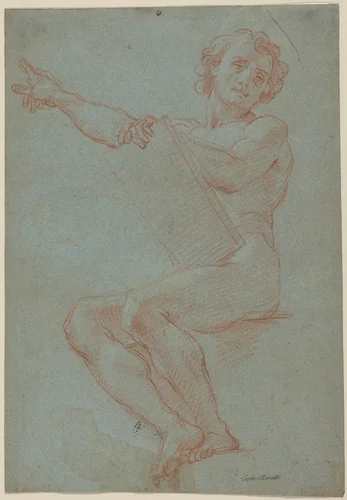
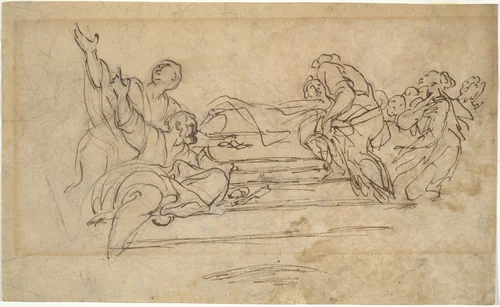
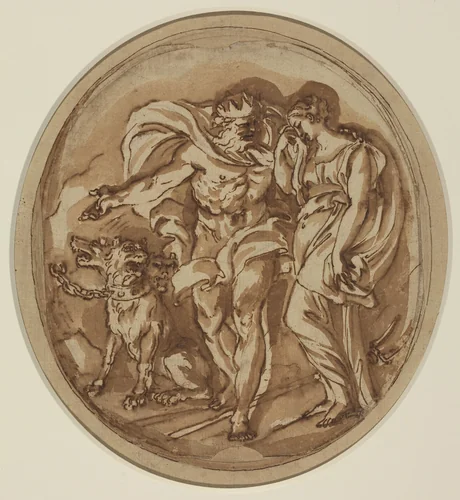
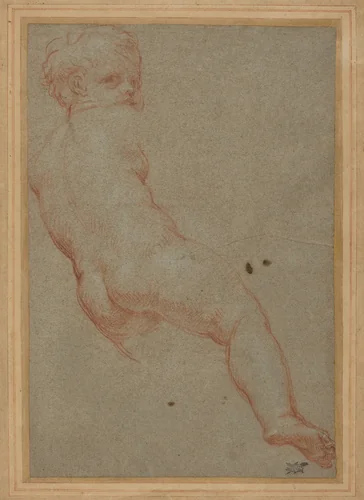
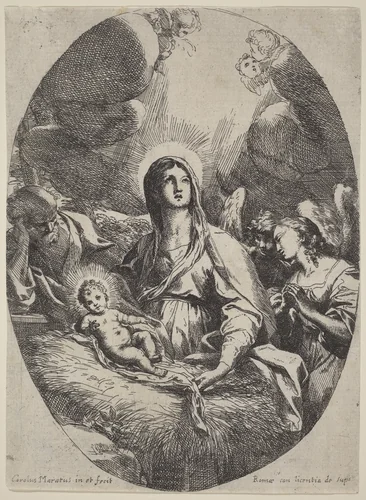
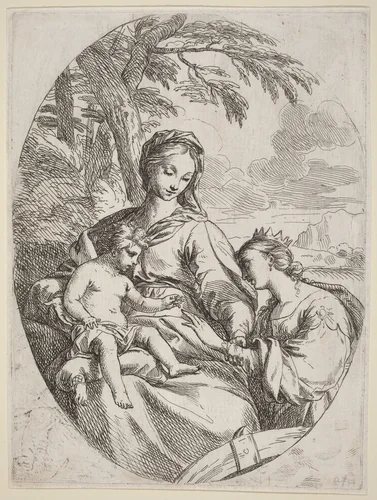
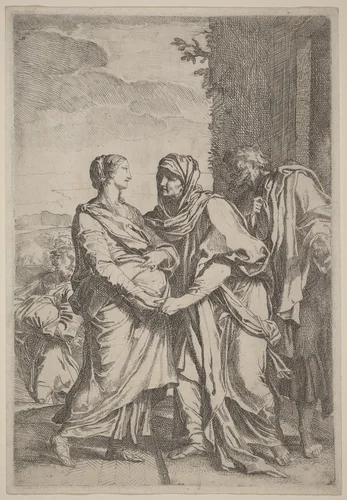
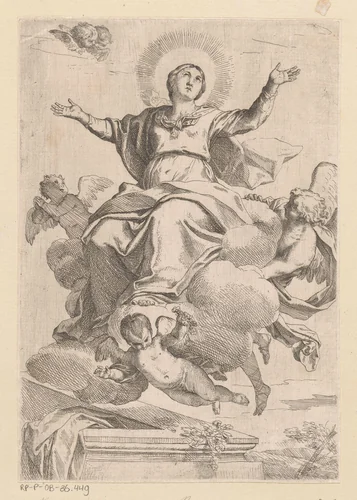
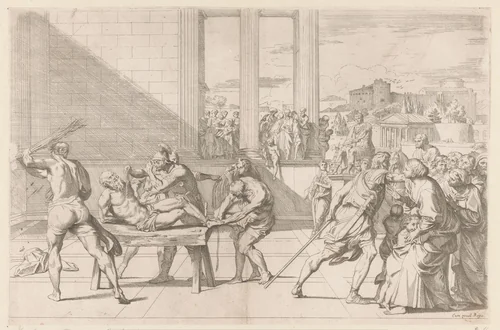
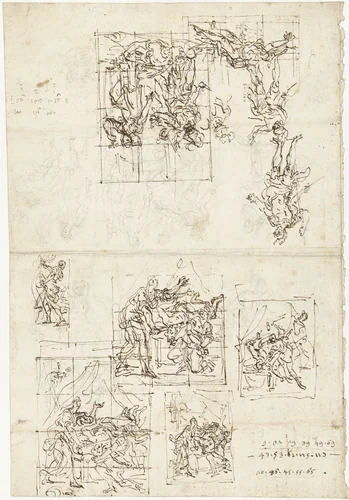
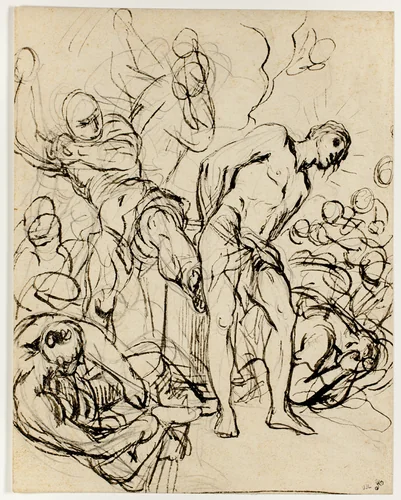
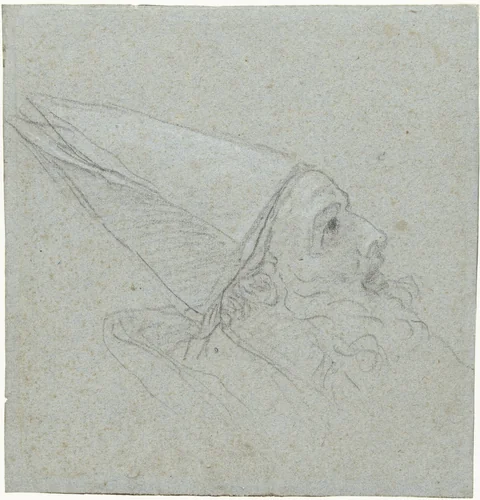
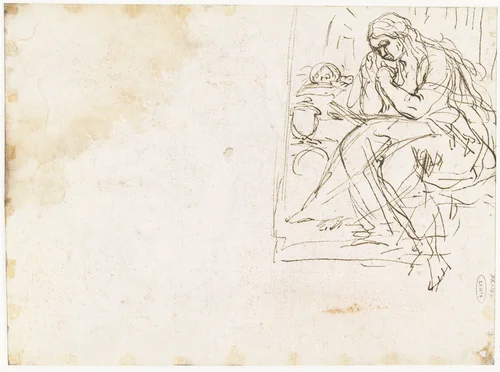
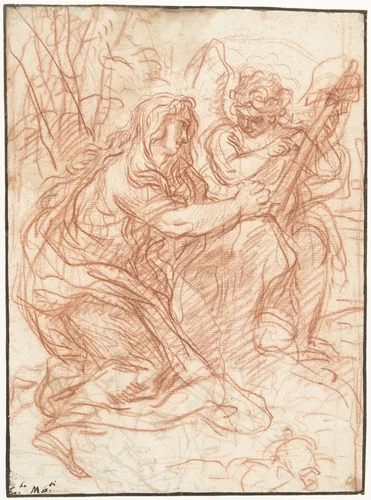
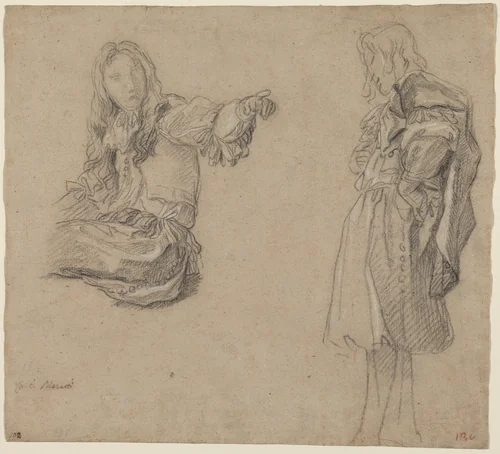
The enduring quality of Maratta's achievement is perhaps best observed in his preparatory studies. As a masterful draughtsman, his surviving corpus of drawings, such as the focused Study of a Young Boy or the complex compositional arrangement seen in Figures on Steps (Studies for an Assumption of the Virgin), illuminate his meticulous process. His ability to capture narrative tension in smaller media is evident in prints like Pluto Bringing Proserpine to the Gates of Hell.
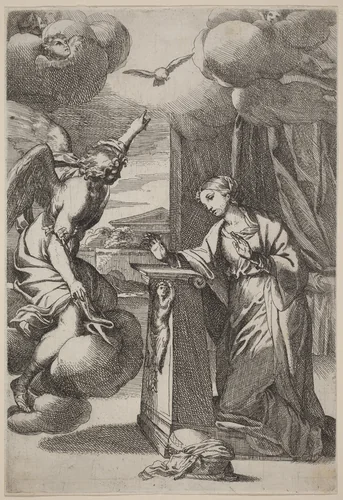
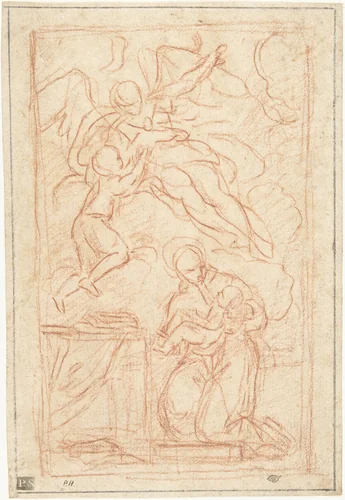
Collections globally, including the Rijksmuseum and the National Gallery of Art, safeguard key examples of his work, confirming his museum-quality standing. Today, the study of Carlo Maratta prints and drawings is enhanced as many of his original studies, once restricted to private viewing, are now in the public domain. This shift allows for unprecedented access, making high-quality prints of important works like The Annunciation readily available to a contemporary audience. His long and largely unchallenged tenure at the top of the Roman art hierarchy suggests not only immense technical skill but also a rare diplomatic fortitude, necessary when navigating the intricate politics of papal commissions.
Source: Wikipedia · CC BY-SA 4.0