Carlo Dolci
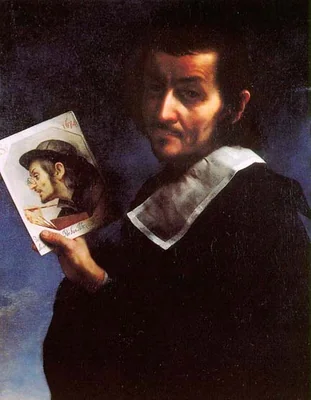
Carlo Dolci (1616-1687) represents the meticulous, devout current of painting that defined Florentine art during the high Baroque period. Active exclusively in Florence, Dolci cultivated a highly specialized style focused not on the theatrical grandeur favored in Rome, but on small-scale, deeply finished devotional images intended for private contemplation by aristocratic and ecclesiastical patrons.
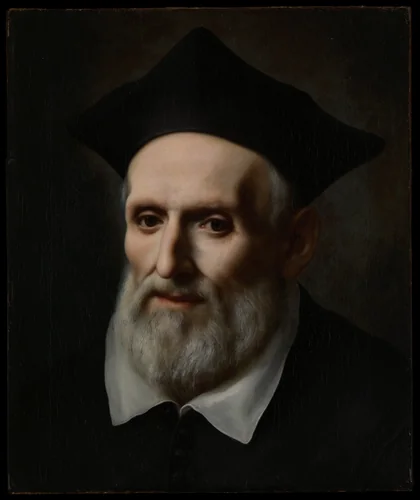
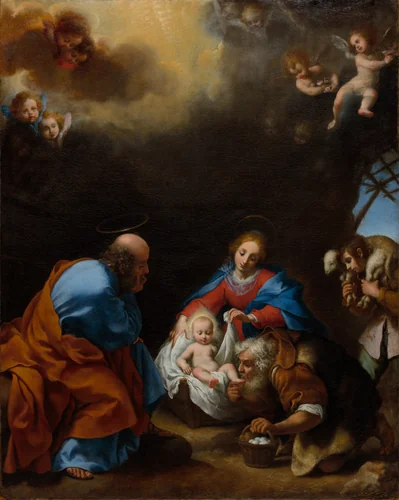
Dolci’s distinctive contribution was his extraordinary technical precision. His working method demanded prolonged labor, resulting in surfaces of an almost enameled perfection, where light seems to glide across meticulously rendered textures of velvet, skin, and lace. This fastidiousness was crucial to his success, transforming religious sentiment into a tangible, polished commodity. While this precision limited his overall production, his fame necessitated that popular compositions often be repeated, guaranteeing clients consistency; when commissioning a Dolci, one knew precisely the level of flawless technical execution and quiet piety they would receive.
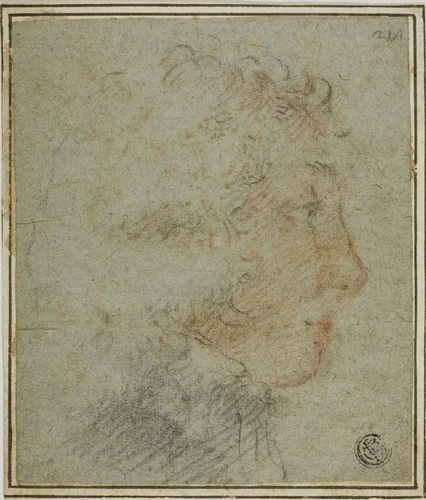
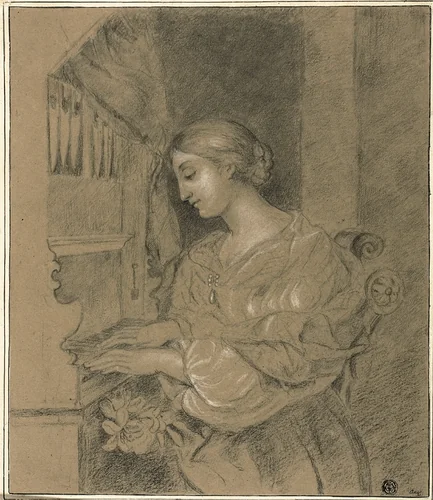
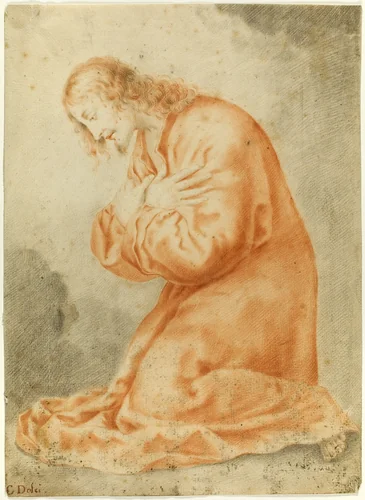
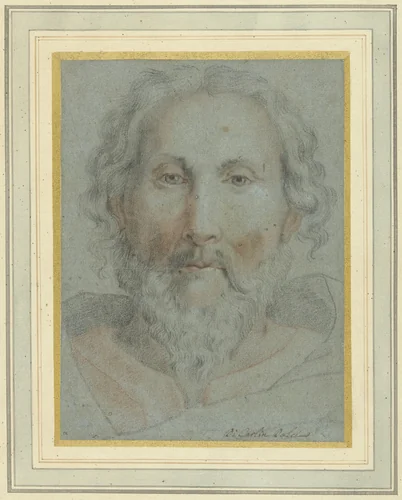
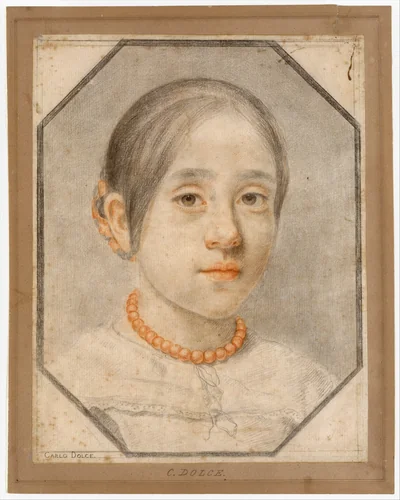
His practice of producing multiple, nearly identical versions is evident across his catalogue, which includes signature works such as Saint Cecilia and the moving Christ Kneeling. These subjects exemplify his favored focus on isolated figures caught in moments of intense, yet composed, spiritual reflection. Beyond his finished oils, the sensitivity visible in his preliminary studies, such as the masterful Profile of Young Man to Right, demonstrates a profound understanding of draftsmanship. Even highly focused studies like Hoofd van God de Vader capture the specific, delicate intensity that characterizes all genuine Carlo Dolci paintings.
Dolci’s widespread popularity in the 17th century ensured his place in royal and major private collections throughout Europe. Today, his work is essential viewing at institutions like the Metropolitan Museum of Art, the Rijksmuseum, and the Art Institute of Chicago, where the technical brilliance of these museum-quality pieces can still be appreciated. Owing to their age and widespread documentation, many significant works have entered the public domain, offering educational institutions access to royalty-free, downloadable artwork and fine Carlo Dolci prints for study and display.
Source: Wikipedia · CC BY-SA 4.0