Carlo Cignani
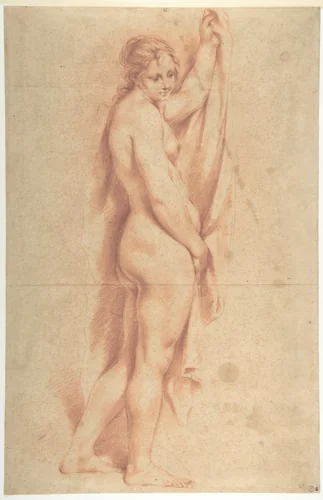
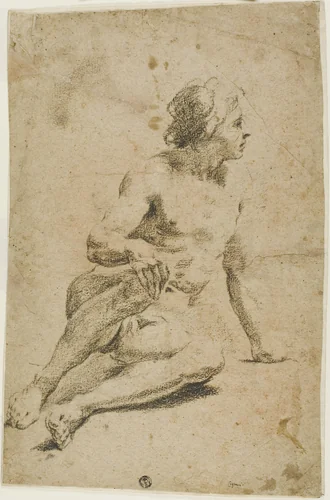
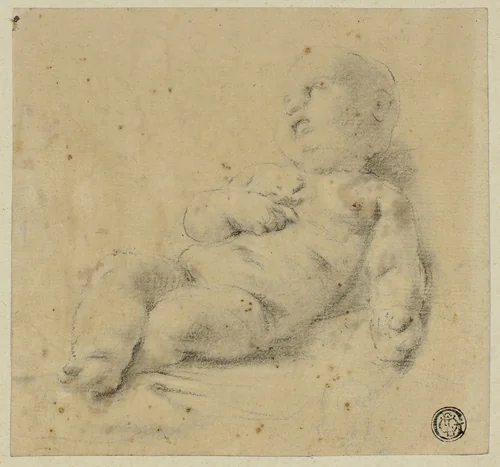
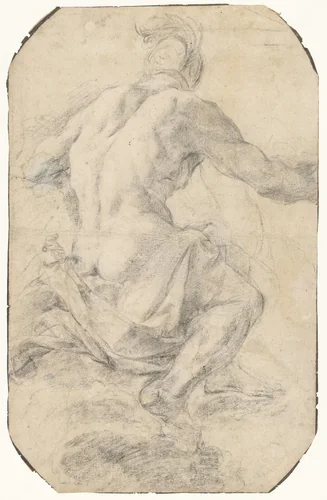
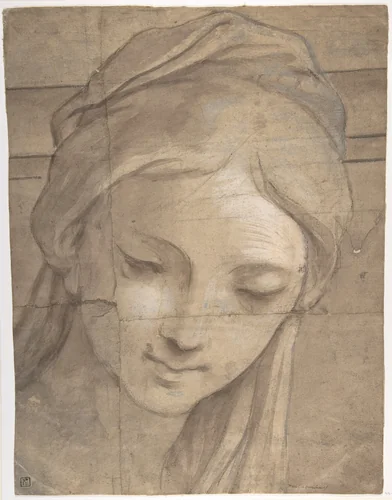
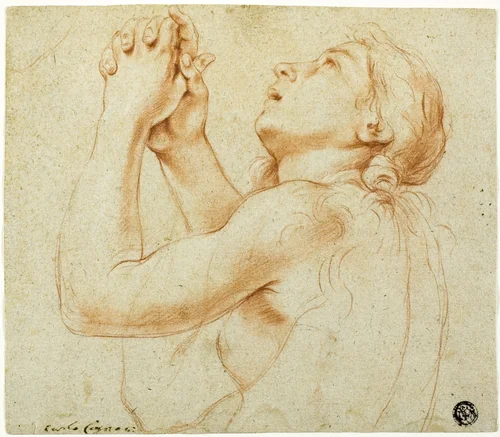
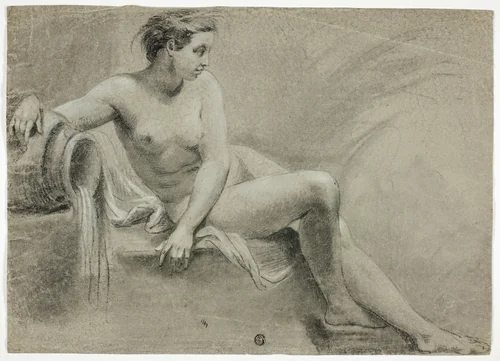
Carlo Cignani (1620-1700) was a pivotal Italian painter whose extraordinarily long active period bridged the rigorous, late 17th-century Baroque with the nascent sensibilities of the subsequent century. Working primarily within the academic traditions established by the Bolognese School of painting, Cignani is historically significant not just for his technical mastery, but for fundamentally altering the emotional register of religious and mythological canvases. His detailed preparatory studies, such as the Standing Nude Female Figure (recto); Studies of a Kneeling Nude Female Figure and of a Man's Head (verso), demonstrate a keen interest in academic draftsmanship, yet his mature style moved beyond mere formal requirements.
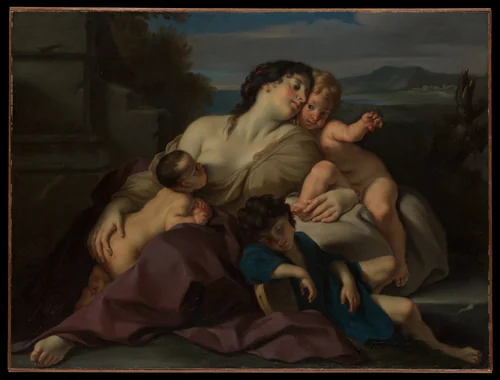
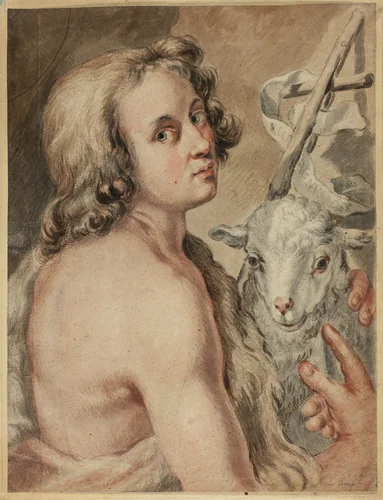
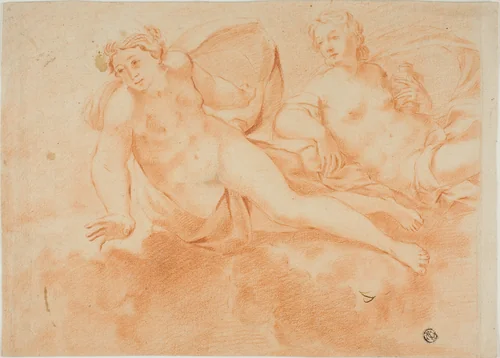
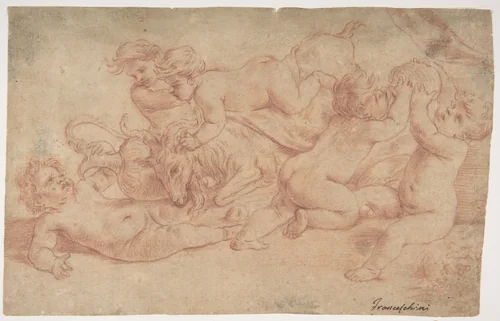
Cignani championed an innovative approach that his contemporaries dubbed the 'new manner.' This style consciously broke away from the more forceful and energetic kinetics that defined the earlier phases of Bolognese classicism. Instead, Cignani cultivated a reflective, profoundly intimate mood. His gentle manner prioritized emotional depth and softened contours, injecting a pervasive quietude into compositions, evident in works like Charity and Saint John the Baptist with Lamb.
It is through this delicate and introspective shift that Cignani secured his place in art history. His work presaged the nuanced, often devotional, pictures of major Baroque figures such as Guido Reni and Guercino, alongside contemporaries like Simone Cantarini, positioning him as an essential, transitional figure in the period’s evolution.
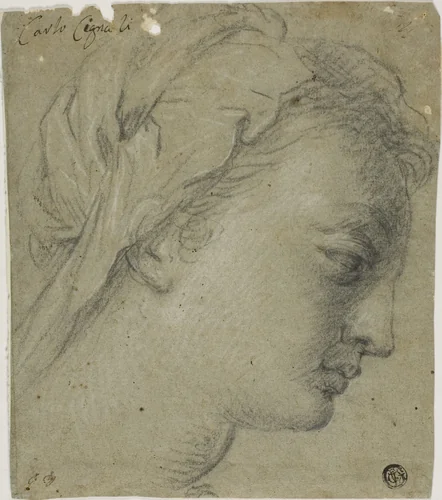
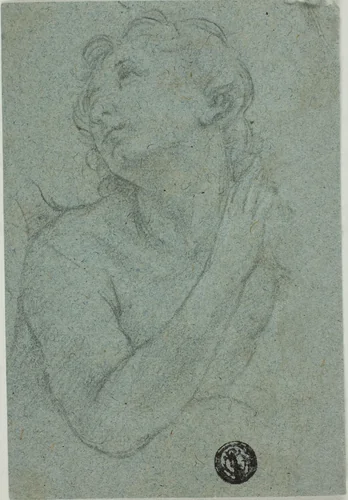
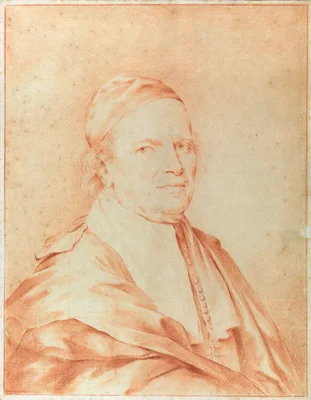
Cignani's prodigious output of both drawings and paintings ensures his continued visibility in major global institutions, including the Rijksmuseum, the Metropolitan Museum of Art, and the Art Institute of Chicago. The longevity of his career, spanning approximately eight decades of consistent high-level production, is perhaps his most fascinating personal attribute. Today, the enduring quality of his draftsmanship and the serene emotionality of his Carlo Cignani paintings are accessible through museum-quality collections worldwide. Many of the surviving drawings, crucial in understanding his process, are now in the public domain, allowing enthusiasts access to high-quality prints reflecting his refined technique.
Source: Wikipedia · CC BY-SA 4.0